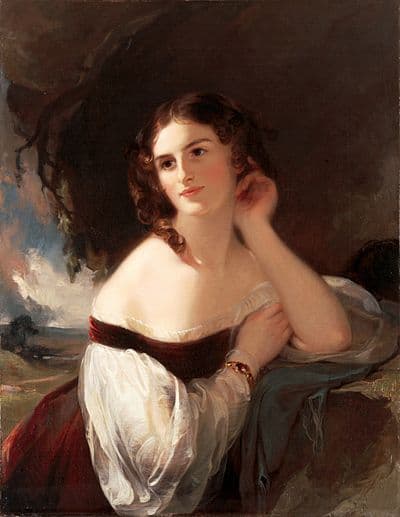
Fanny Kemble
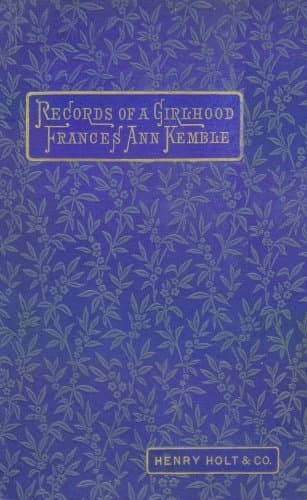
Fanny Kemble was a prominent British actress and writer known for her passionate advocacy against slavery and her contributions to the arts in the 19th century. Born into a theatrical family, she gained fame on stage and became a well-respected figure in both the United Kingdom and the United States. Her literary output was diverse, encompassing plays, poetry, and memoirs, with eleven volumes chronicling her life experiences and travels. Kemble's works often reflected her deepening commitment to social justice, particularly her abolitionist views, which were profoundly shaped by her time spent on her husband's plantations in the Sea Islands of the American South. Kemble's most significant contribution to literature and history came from her private journal, where she documented the harsh realities of slavery and her evolving stance against it. This journal not only provided a vivid account of plantation life but also served as a powerful indictment of the institution of slavery, marking her as an early voice in the abolitionist movement. Additionally, her innovative approach to performance, blending spoken word with music, set her apart in the theatrical world. Fanny Kemble's legacy endures through her writings and her unwavering commitment to social change, making her an important figure in both literary and historical contexts.
Books from the author


Link to this page
Add a free, dofollow link to Lex on your blog, forum, syllabus, or reading list.

<a href="https://lex-books.com/author/fanny-kemble"><img src="https://lex-books.com/badges/read-on-lex.svg" alt="Fanny Kemble on Lex" width="160" height="40"></a>[](https://lex-books.com/author/fanny-kemble)[url=https://lex-books.com/author/fanny-kemble][img]https://lex-books.com/badges/read-on-lex.svg[/img][/url]Fanny Kemble on Lex: https://lex-books.com/author/fanny-kemble