Alvaro de Campos
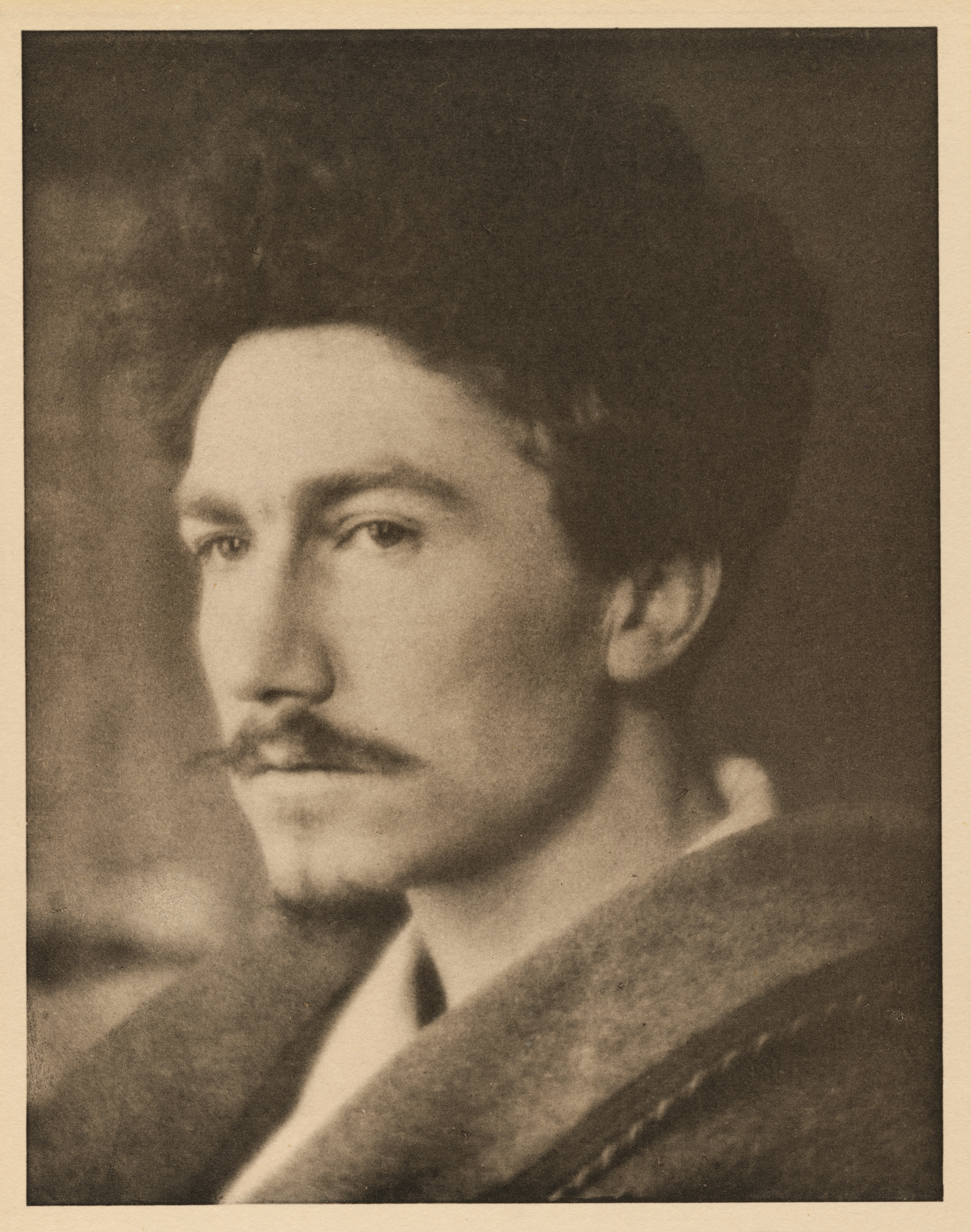
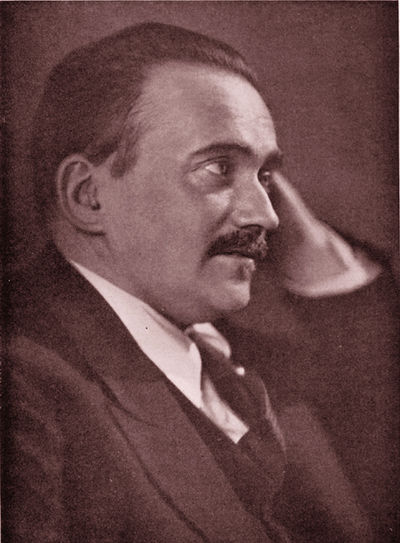
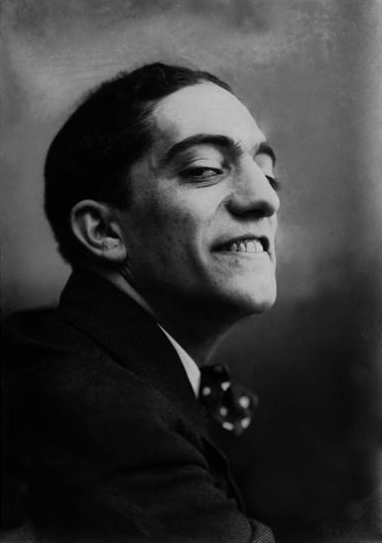
Álvaro de Campos was a prominent heteronym of the Portuguese poet Fernando Pessoa, known for his intense and often tumultuous poetic voice. Born in Tavira, Portugal, Campos pursued mechanical engineering, eventually graduating in ship engineering from Glasgow. His life as a poet was marked by a series of travels, including time spent in Ireland and the Far East, where he composed the poem "Opiário" aboard a ship in the Suez Canal. After returning to Portugal, he settled in Lisbon, where he continued to write until Pessoa's death in 1935, leaving his own fate ambiguous. Campos's poetry can be divided into three distinct phases: the decadent, the futuristic, and a final, more somber chapter. Influenced by figures such as Walt Whitman and Filippo Tommaso Marinetti, his works like "Ode Triunfal," "Ode Marítima," and "Ultimatum" celebrate the dynamism of technology while also grappling with the darker aspects of industrialization. His earlier poems reflect a sense of pessimism, drawing inspiration from his contemporaries, while his later works, including "Lisbon Revisited" and the notable "Tobacco Shop," reveal a profound sense of emptiness and nostalgia. Through Campos, Pessoa explored themes of identity and existential despair, cementing his legacy as a significant figure in modernist literature.
Famous Quotes
View all 3 quotes“It’s stupid, but it’s human, and that’s how it is.”
“I consider a dream like I consider a shadow,” answered Caeiro, with his usual divine, unexpected promptitude. “A shadow is real, but it’s less real than a rock. A dream is real — if it weren’t, it wouldn’t be a dream — but less real than a thing. That’s what being real is like.”
“Arre, que tanta besta é muito pouca gente! Arre, que o Portugal que se vê é só isto! Deixem ver o Portugal que não deixam ver!”
Books from the author







Link to this page
Add a free, dofollow link to Lex on your blog, forum, syllabus, or reading list.

<a href="https://lex-books.com/author/alvaro-de-campos"><img src="https://lex-books.com/badges/read-on-lex.svg" alt="Alvaro de Campos on Lex" width="160" height="40"></a>[](https://lex-books.com/author/alvaro-de-campos)[url=https://lex-books.com/author/alvaro-de-campos][img]https://lex-books.com/badges/read-on-lex.svg[/img][/url]Alvaro de Campos on Lex: https://lex-books.com/author/alvaro-de-campos