Allen Putnam
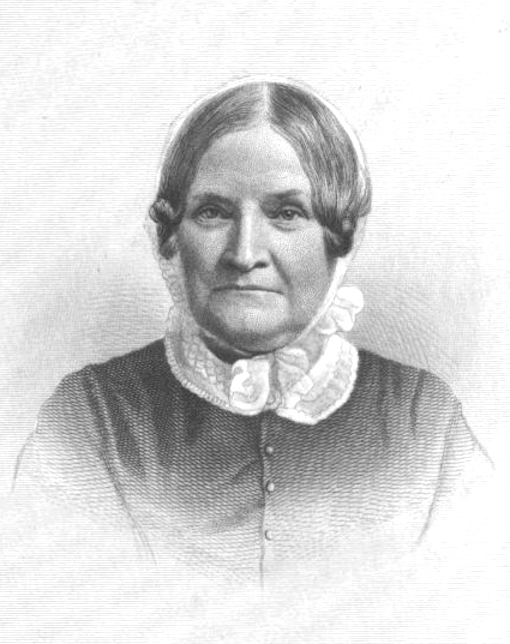
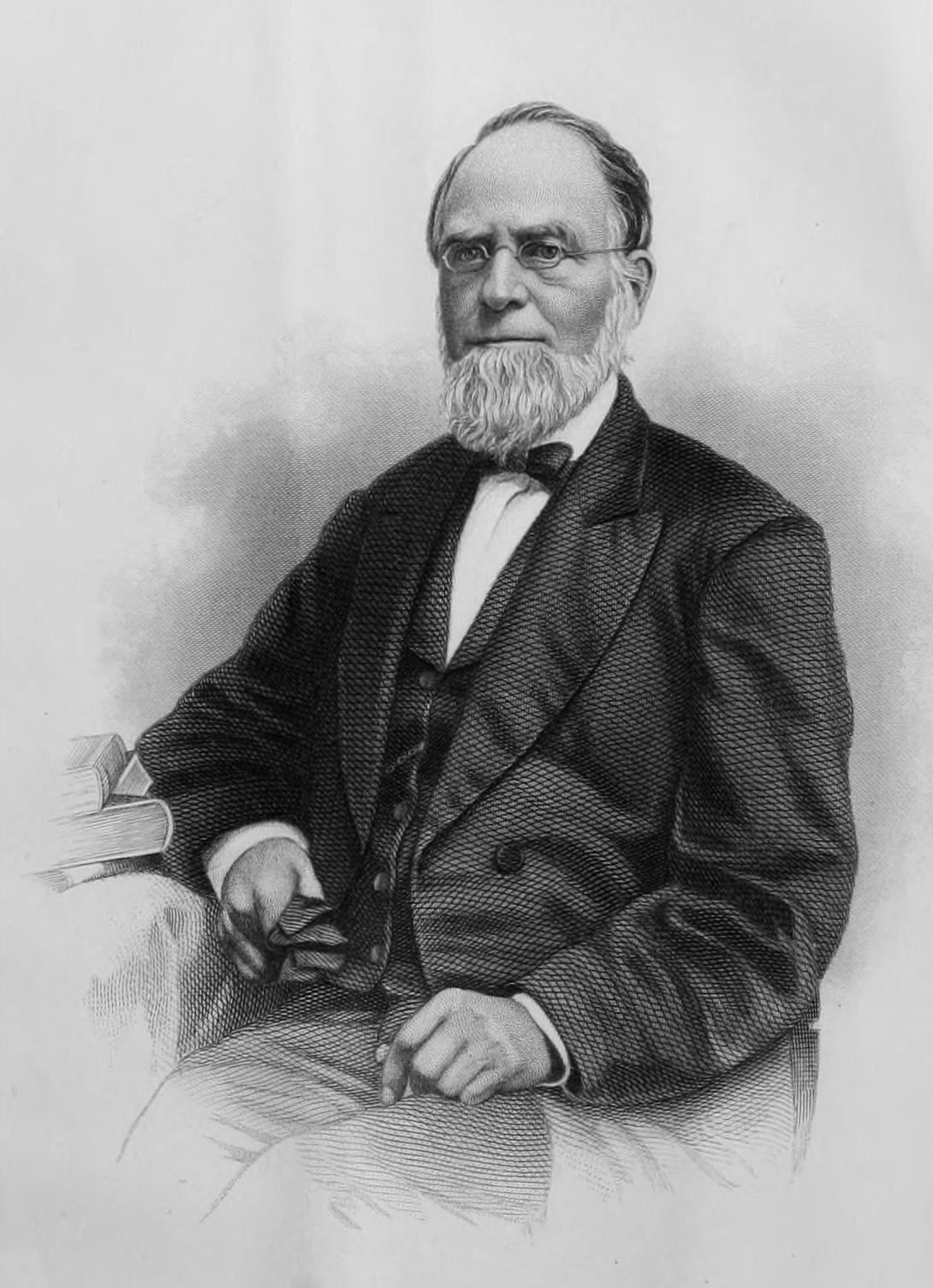
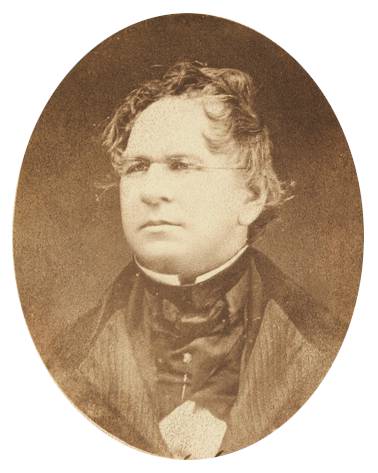
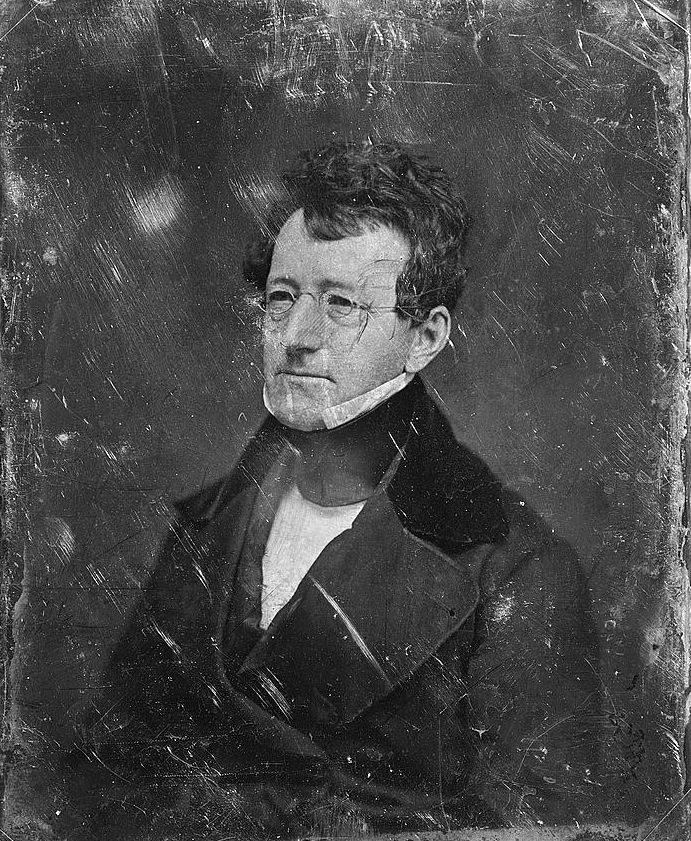
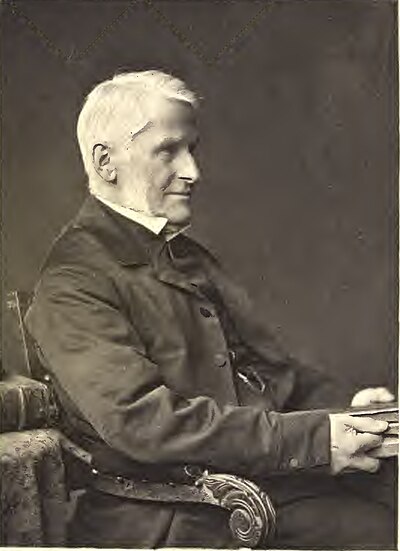
Allen Putnam was an American author and spiritualist known for his exploration of witchcraft and its connections to modern spiritual beliefs. Born in 1802, he became a prominent figure in the 19th-century spiritualist movement, which sought to understand and explain supernatural phenomena through a contemporary lens. His notable works, particularly 'Witchcraft of New England Explained by Modern Spiritualism,' reflect his commitment to demystifying the historical witch trials and the cultural fears surrounding witchcraft in New England. In this work, Putnam argued that many of the events attributed to witchcraft could be better understood through the principles of spiritualism, which was gaining popularity during his lifetime. Putnam's writings contributed to the broader discourse on the intersection of religion, superstition, and emerging scientific thought in America. His insistence on rational explanations for phenomena once considered supernatural positioned him as a significant figure in the spiritualist movement. Through his efforts, he sought to reconcile the past with contemporary beliefs, offering a unique perspective on the legacy of witchcraft in American culture. His work remains a valuable resource for understanding the evolution of spiritualist thought and its impact on the perception of witchcraft in the 19th century.
Famous Quotes
View all 1 quotes“Astrobiology simply presumes that a planet in the Goldilocks zone containing liquid water will somehow produce life. This leads to the “follow-the-water” strategy in the search for ETs. It is a good place to start, as it is widely recognized that the properties of liquid water are exquisitely suited for carbon-based life. These properties include the ability to dissolve and transport the chemical nutrients vital to living organisms and its unmatched capacity to absorb heat from the sun”
Audiobooks from the author


Link to this page
Add a free, dofollow link to Lex on your blog, forum, syllabus, or reading list.

<a href="https://lex-books.com/author/allen-putnam"><img src="https://lex-books.com/badges/read-on-lex.svg" alt="Allen Putnam on Lex" width="160" height="40"></a>[](https://lex-books.com/author/allen-putnam)[url=https://lex-books.com/author/allen-putnam][img]https://lex-books.com/badges/read-on-lex.svg[/img][/url]Allen Putnam on Lex: https://lex-books.com/author/allen-putnam