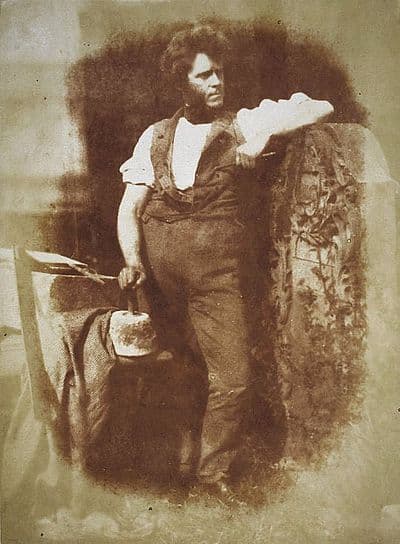
Hugh Miller
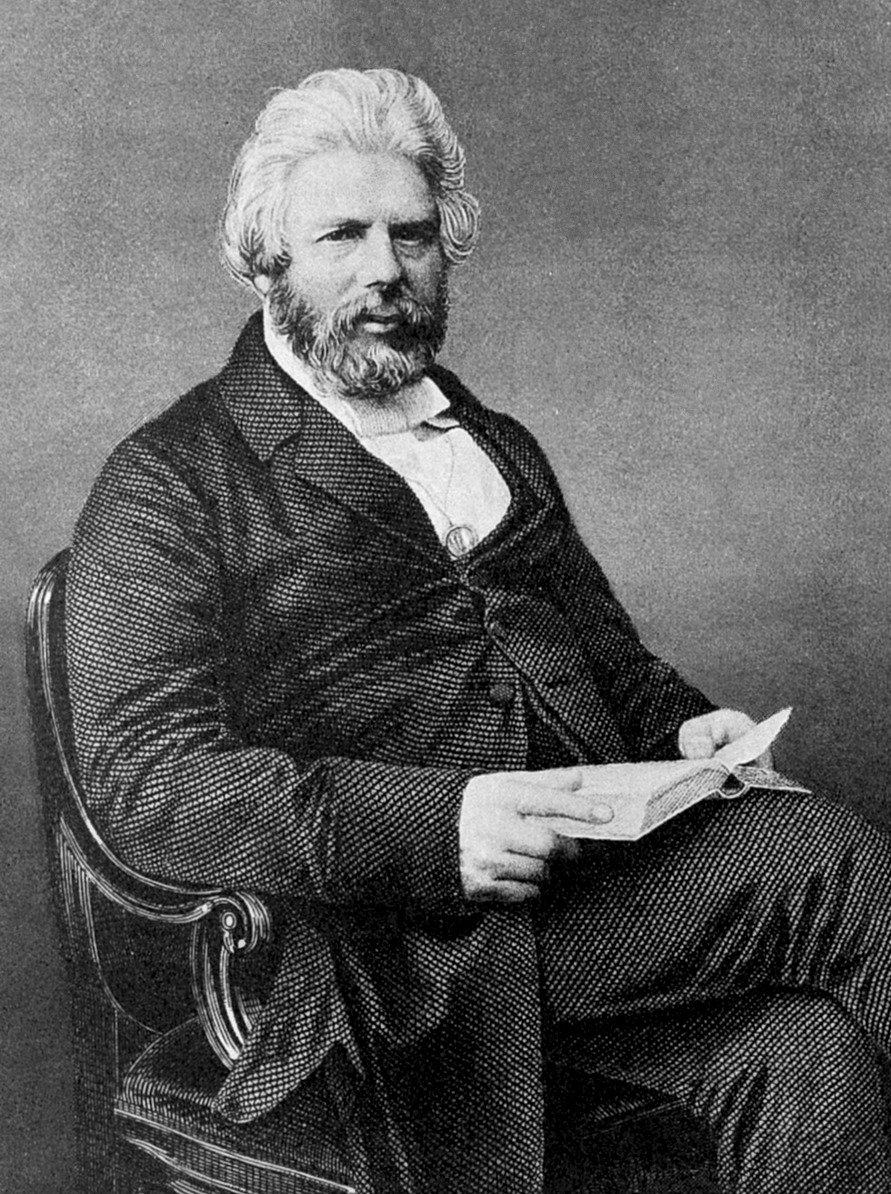
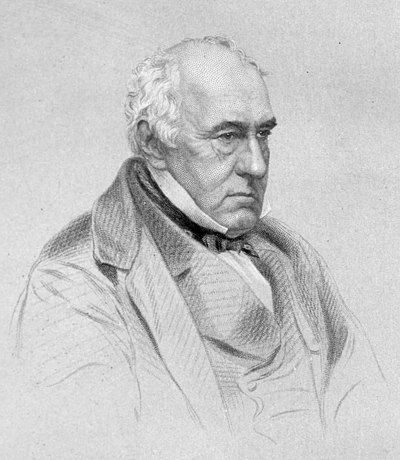
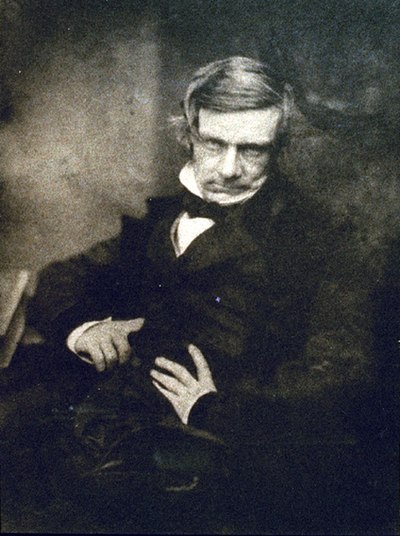
Hugh Miller was a prominent Scottish geologist, writer, and folklorist whose contributions significantly shaped the fields of geology and literature in the 19th century. Born in a humble family in Cromarty, Scotland, he developed a passion for natural history at an early age, which led him to pursue a career in geology. Miller's groundbreaking work, 'The Old Red Sandstone,' published in 1841, not only advanced the understanding of geological formations but also illustrated the rich fossil record of Scotland's ancient landscapes. His ability to blend scientific inquiry with poetic prose made his writings accessible and engaging to a broader audience. In addition to his geological pursuits, Miller was a keen folklorist, collecting and preserving the oral traditions and stories of the Scottish Highlands. His works, including 'The Testimony of the Rocks' and 'My Schools and Schoolmasters,' reflect his deep appreciation for both science and the cultural heritage of Scotland. Miller's legacy lies in his role as a pioneer in popularizing geology and his efforts to bridge the gap between science and literature, influencing future generations of writers and scientists alike. His unique perspective on the natural world and its connection to human experience continues to resonate in both fields today.
Famous Quotes
View all 5 quotes“Problems are only opportunities with thorns on them.””
“My schoolfellows were mostly stiff, illiterate lads, who, with a little bad Latin and worse Greek, plumed themselves mightily on their scholarship; and I had little inducement to form any intimacies among them; for, of all men, the ignorant scholar is the least amusing.””
“More than fifty years have passed since the flask experiments by Stanley Miller and Harold Urey rekindled the primordial soup hypothesis for the origin of life. Scientists now realize, however, that generating miniscule amounts of a few amino acids is irrelevant to the origin of life because the chemicals in Miller and Urey’s experiment were exposed to neither oxygen nor ultraviolet light. The fact that Earth never possessed measurable quantities of prebiotics (see p. 73) and that the universe appears devoid of reservoirs for life’s fundamental chemical building blocks (see p. 74) also argues for the famed experiment’s irrelevance. As far back as 1973, a deep sense of frustration over any possible naturalistic explanation for life’s origin on Earth or anywhere else within the vast reaches of interstellar space led Francis Crick (who shared the Nobel Prize for the discovery of the double helix nature of DNA) and Leslie Orgel (one of the world’s preeminent origin-of-life researchers) to suggest that intelligent aliens must have salted Earth with bacteria about 3.8 billion years ago.[24] This suggestion, however intriguing or bizarre, fails to answer the question of where the aliens might have come from. It also contradicts evidence that shows intelligent life could not have arrived on the cosmic scene any sooner than about 13.7 billion years after the cosmic origin event. The implausibility of interstellar space travel also remains an intractable problem. Ruling out a visit by aliens from a planetary system far, far away narrows the reasonable options down to one: Something or Someone from beyond the physics and dimensions of the universe, who is not subject to them, placed life and humanity in the only location in the universe at the only time in cosmic history where and when such creatures could survive and thrive.””
Books from the author
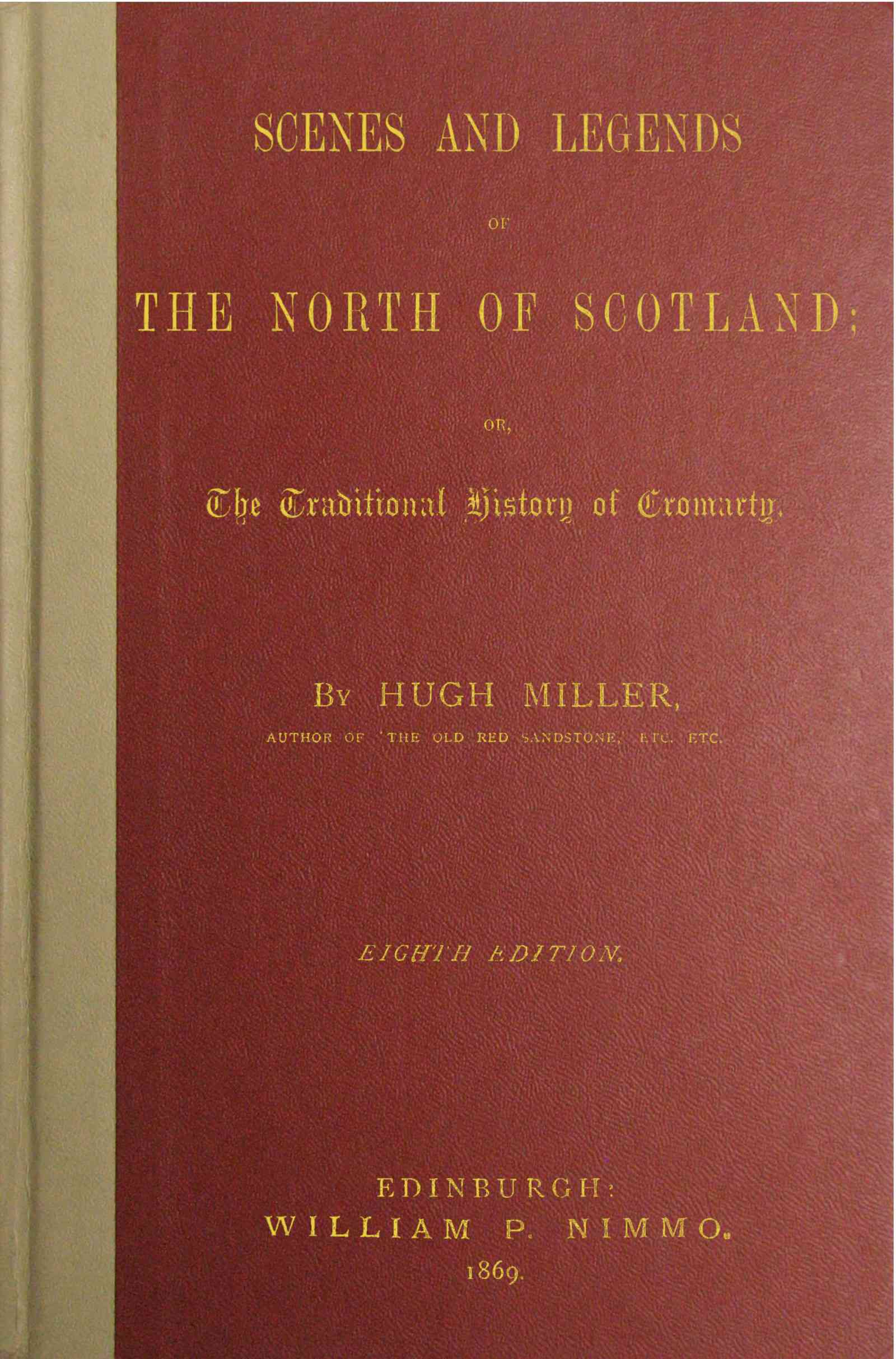
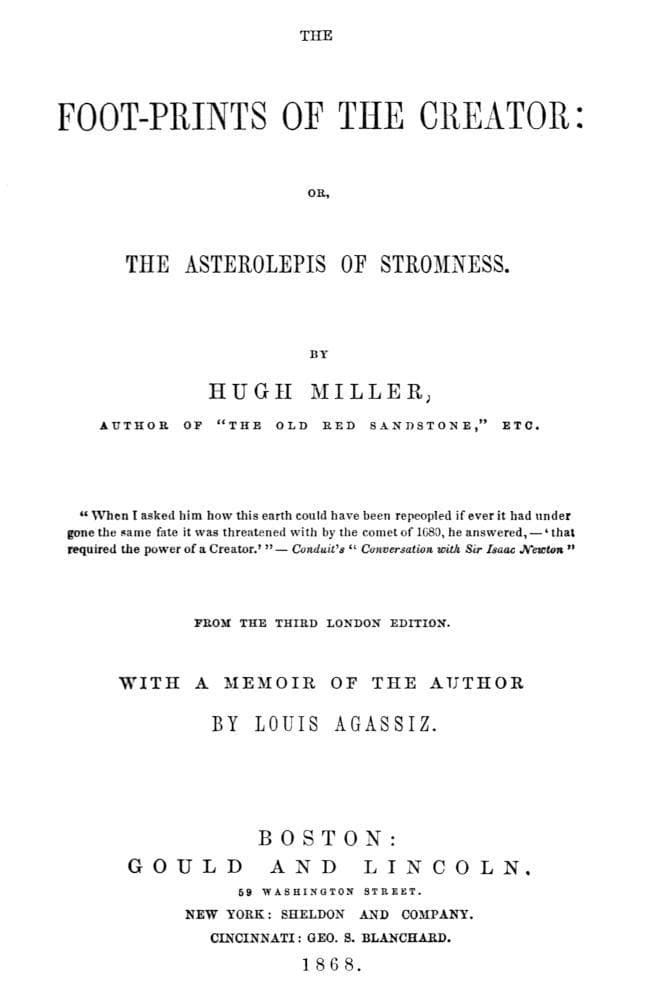
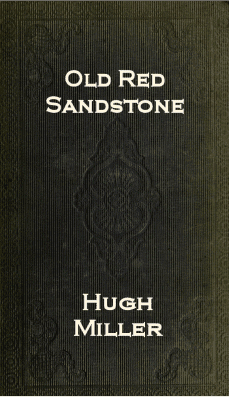




Link to this page
Add a free, dofollow link to Lex on your blog, forum, syllabus, or reading list.

<a href="https://lex-books.com/author/hugh-miller"><img src="https://lex-books.com/badges/read-on-lex.svg" alt="Hugh Miller on Lex" width="160" height="40"></a>[](https://lex-books.com/author/hugh-miller)[url=https://lex-books.com/author/hugh-miller][img]https://lex-books.com/badges/read-on-lex.svg[/img][/url]Hugh Miller on Lex: https://lex-books.com/author/hugh-miller