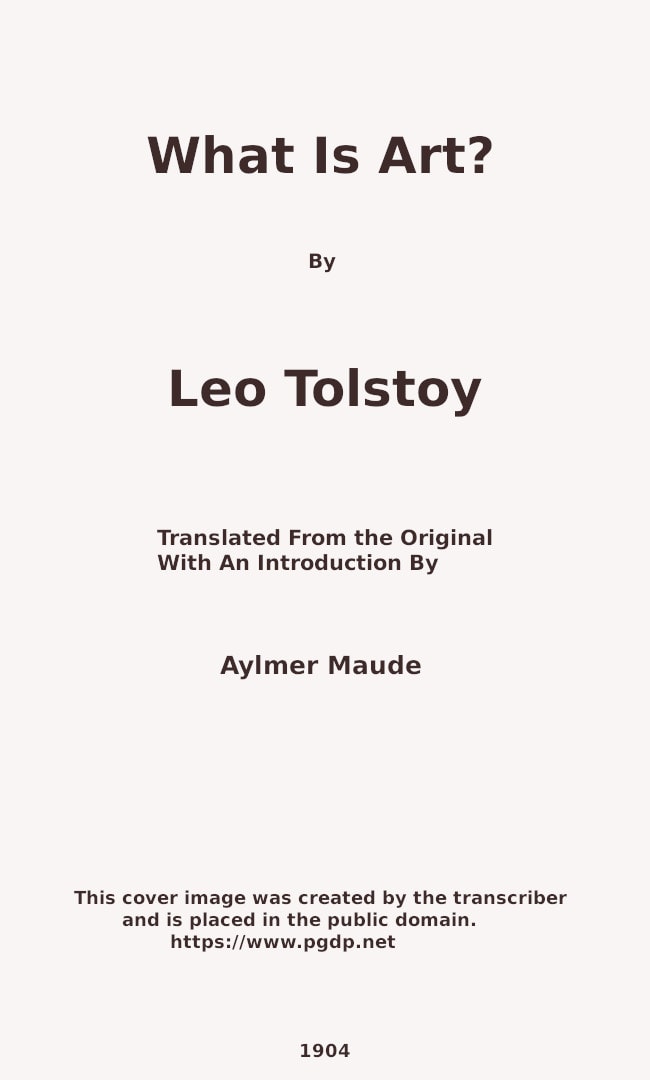
What Is Art?
In this scandalous 1897 treatise, the author of War and Peace commits artistic regicide. Tolstoy rejects the entire Western canon's definition of art as beauty, instead arguing that true art transmits genuine emotion from artist to audience, whether through a child's joke or a church service. The real controversy lies in what follows: he systematically dismantles the giants, Beethoven, Wagner, Shakespeare, Dante, Baudelaire, before turning his gun on himself, condemning Anna Karenina and War and Peace as failed art. His criteria are ruthless yet compelling: authentic art must unite humanity and foster moral goodness, not obscure meaning behind elite complexity. Though his Christian moralism saturates every page, the book endures because it asks a question we still grapple with: what is art actually for? For readers who want their assumptions about culture disturbed.
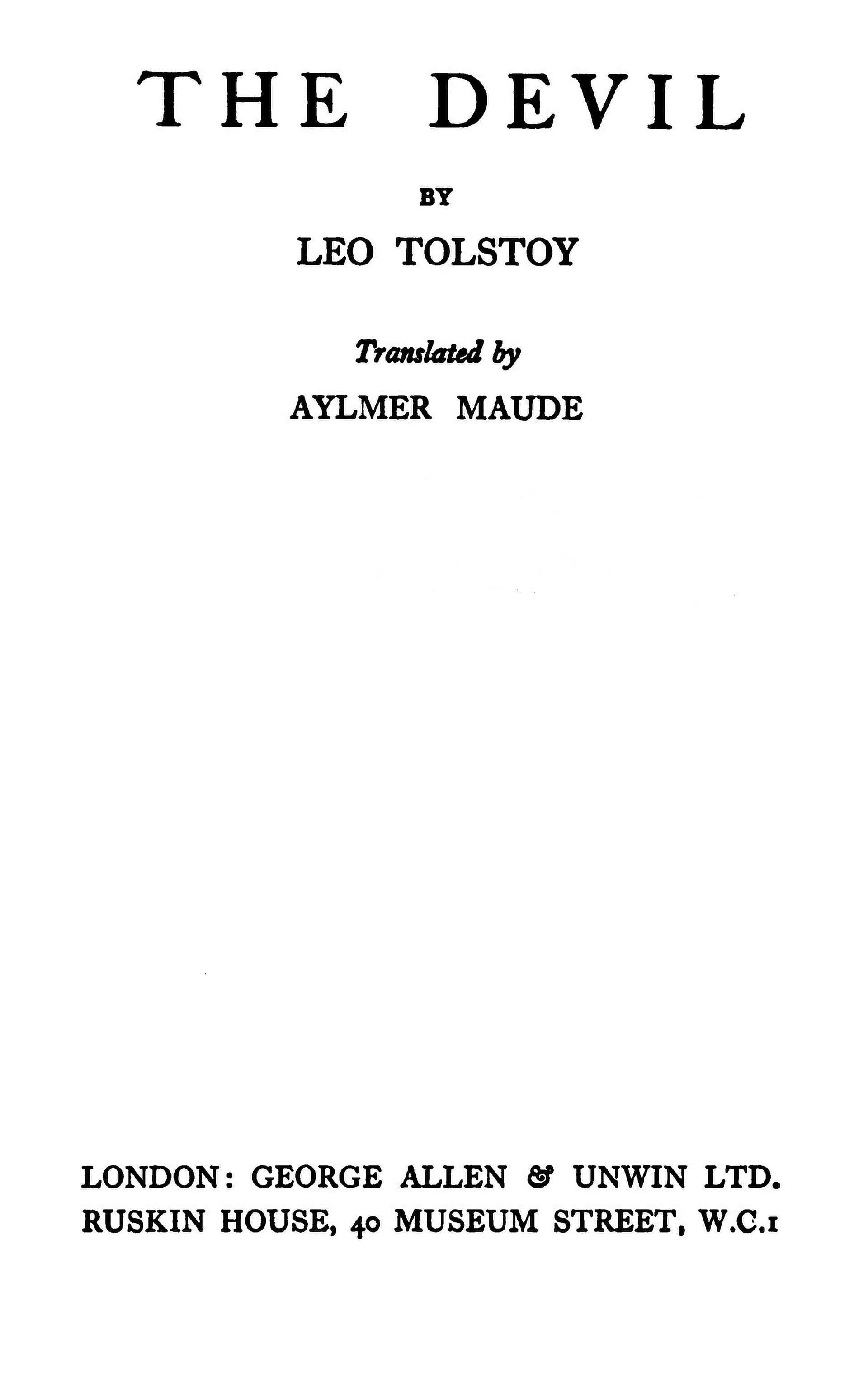
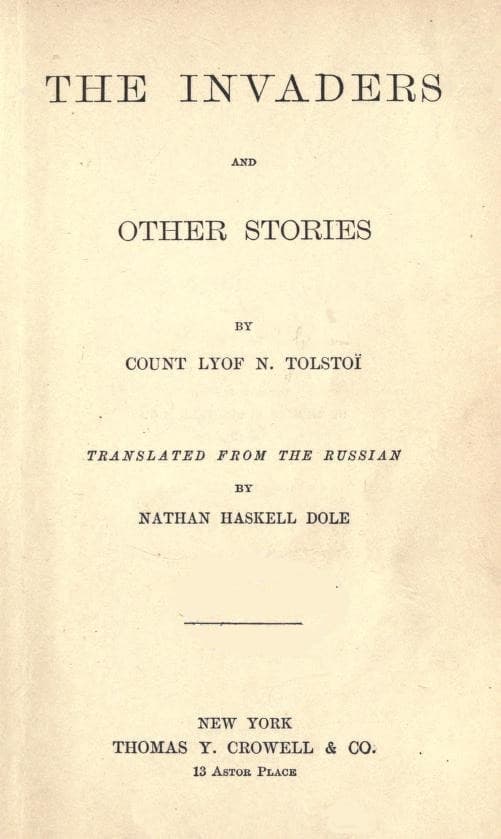
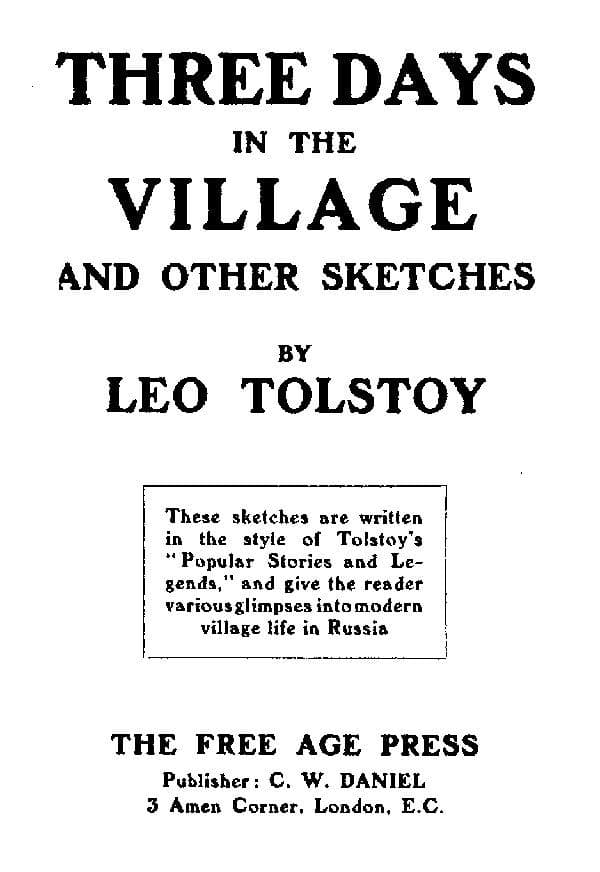
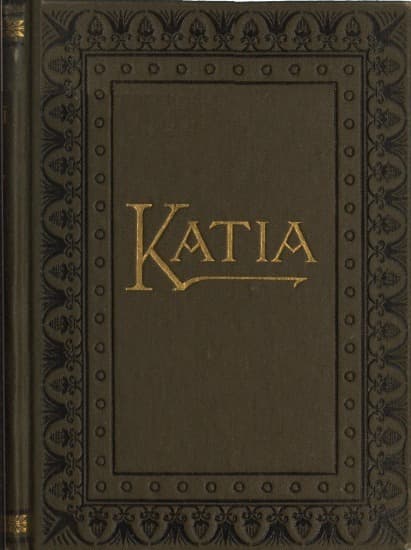
Editions

X-Ray
“The business of art lies just in this, -- to make that understood and felt which, in the form of an argument, might be incomprehensible and inaccessible.””
— Leo Tolstoy
“Art is not, as the metaphysicians say, the manifestation of some mysterious idea of beauty or God; it is not, as the aesthetical physiologists say, a game in which man lets off his excess of stored-up energy; it is not the expression of man's emotions by external signs; it is not the production of pleasing objects; and, above all, it is not pleasure; but it is a means of union among men, joining them together in the same feelings, and indispensable for the life and progress toward well-being of individuals and of humanity.””
— Leo Tolstoy
“To evoke in oneself a feeling one has once experienced, and having evoked it in oneself, then by means of movements, lines, colors, sounds, or forms expressed in words, so to transmit that feeling that others may experience the same feeling - this is the activity of art.””
— Leo Tolstoy
“I know that most men”
— Leo Tolstoy
“إذا كان العمل جيداً كفن، فإن الإحساس الذي يعبر عنه الفنان سينتقل إلى الناس سواء كان أخلاقياً أم غير أخلاقي، وإذا انتقل الإحساس إلى الناس الآخرين، فإنهم يعيشونه، ولكن لا يعيشونه فحسب، إنما كل واحد منهم يعايشه وفق طريقته. والتفسيرات الأخرى كلها زائدة لا حاجة إليها. شرح أعمال الفنان أمر لا يجوز القيام به. فلو كان من الممكن تفسير ما أراده الفنان بالكلمات لقاله الفنان ذاته بالكلمات. أما هو فقاله من خلال فنه لأنه من المحال نقل الإحساس الذي يعيشه بوسيلة اخرى. إن شرح النتاجات الفنية بالكلمات يؤكد على أن الذي يشرحها غير قادر أن يُعدى بالفن.هكذا كان الأمر دائماً، ومهما بدا هذا غريباً فإن النقّاد كانوا دائماً جماعة أقل قدرة من الآخرين على تلقي الفن والتأثر به وأن القسم الأكبر من هؤلاء الناس الذين يكتبون بخفة هم من المثقفين والأذكياء، غير أن قدراتهم في تلقي الفن والتأثر به ضامرة أو منحرفة تماماً. ولذلك فإن هؤلاء الناس يساعدون بكتاباتهم إلى درجة كبيرة في إفساد الجمهور الذي يقرؤهم ويثق بهم.””
— Leo Tolstoy
“What is precious to us in an author’s work is the labor of his soul and not the architectural structure in which he packs his thoughts and feelings.””
— Leo Tolstoy
“A writer is precious and necessary for us only to the extent to which he reveals to us the inner labour of his soul.””
— Leo Tolstoy
“A true work of art is the revelation of a new conception of life arising in the artist's soul, which, when expressed, lights up the path along with humanity progresses””
— Leo Tolstoy
“We are accustomed to understand art to be only what we hear and see in theaters, concerts, and exhibitions, together with buildings, statues, poems, novels. . . . But all this is but the smallest part of the art by which we communicate with each other in life. All human life is filled with works of art of every kind”
— Leo Tolstoy
Link to this book
Add a free, dofollow link to Lex on your blog, forum, syllabus, or reading list.

<a href="https://lex-books.com/book/what-is-art-f81926d8-1437-4b2b-9aee-24e93091d0ec"><img src="https://lex-books.com/badges/read-on-lex.svg" alt="Read What Is Art? by Leo Tolstoy free on Lex" width="160" height="40"></a>[](https://lex-books.com/book/what-is-art-f81926d8-1437-4b2b-9aee-24e93091d0ec)[url=https://lex-books.com/book/what-is-art-f81926d8-1437-4b2b-9aee-24e93091d0ec][img]https://lex-books.com/badges/read-on-lex.svg[/img][/url]Read What Is Art? by Leo Tolstoy free on Lex: https://lex-books.com/book/what-is-art-f81926d8-1437-4b2b-9aee-24e93091d0ecCite this book
Reading this edition for a paper or guide? Copy a citation.
Tolstoy, Leo. What Is Art?. Lex, lex-books.com/book/what-is-art-f81926d8-1437-4b2b-9aee-24e93091d0ec.Tolstoy, L. (n.d.). What Is Art?. Lex. https://lex-books.com/book/what-is-art-f81926d8-1437-4b2b-9aee-24e93091d0ecTolstoy, Leo. What Is Art?. Lex. https://lex-books.com/book/what-is-art-f81926d8-1437-4b2b-9aee-24e93091d0ec.