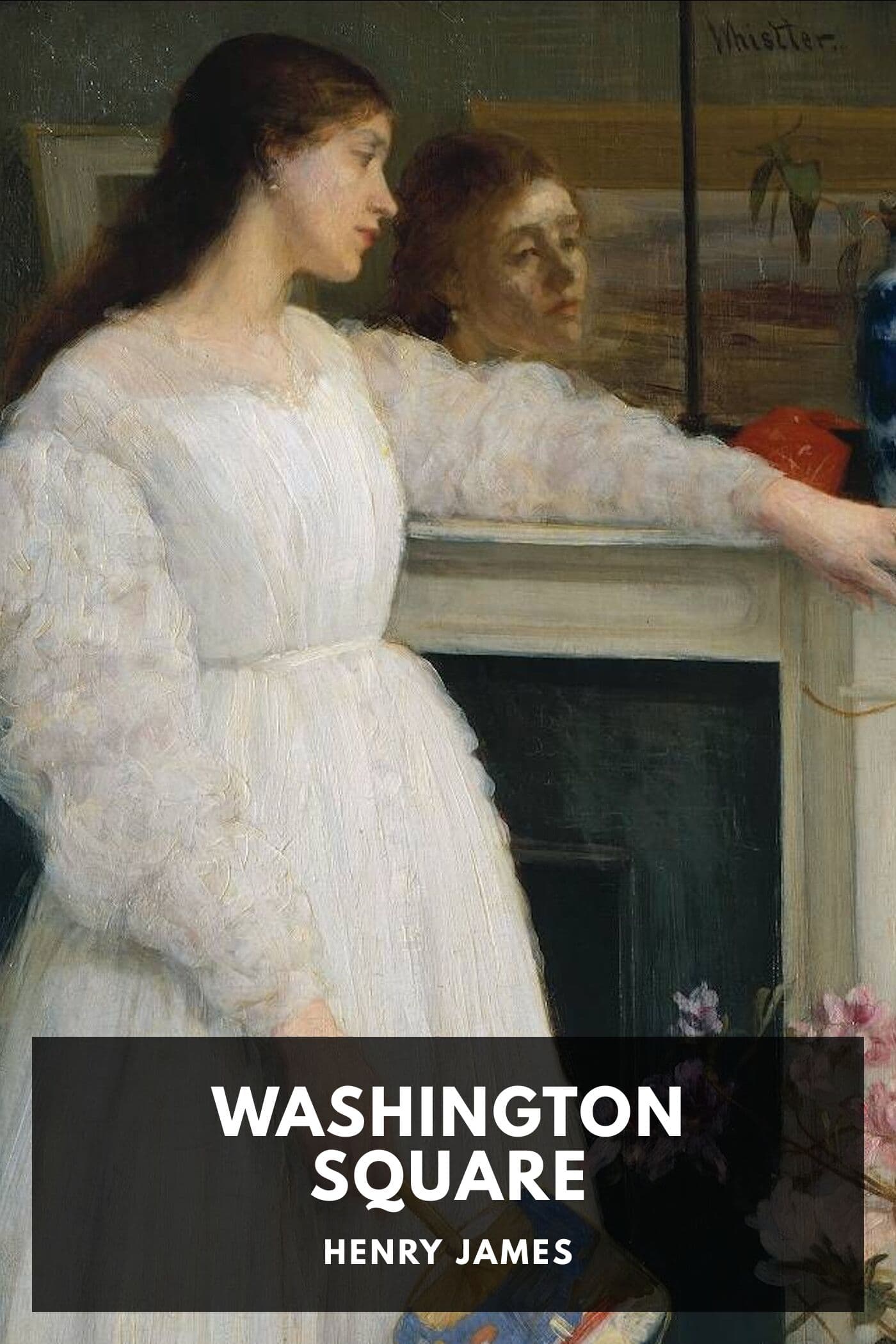
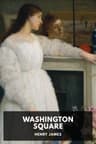
Washington Square
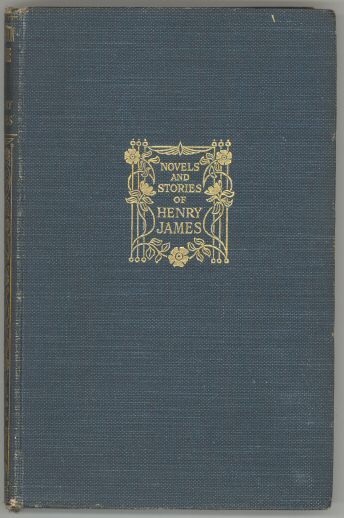
In 1850s New York, Catherine Sloper is neither beautiful nor brilliant, and her father, the eminent Dr. Austin Sloper, has never let her forget it. The son he wanted died; the daughter he got lacks every quality he admires. Then Morris Townsend arrives, charming, handsome, and very interested in Catherine. For the first time in her life, someone seems to see her. But Dr. Sloper sees something else: a fortune hunter with empty pockets and smooth words. He gives Catherine an impossible choice: give up the man you love, or give up everything I have given you. What unfolds is a quiet, devastating study of a father who mistakes control for love and a daughter who must discover who she is apart from his judgment. James writes with the precision of a scalpel, cutting through the polite surfaces of Victorian society to reveal the cruelties that pass for concern. The novel builds to an ending that refuses easy comfort, leaving us with an uncomfortable truth: sometimes the people who should love us most are the ones who wound us deepest.
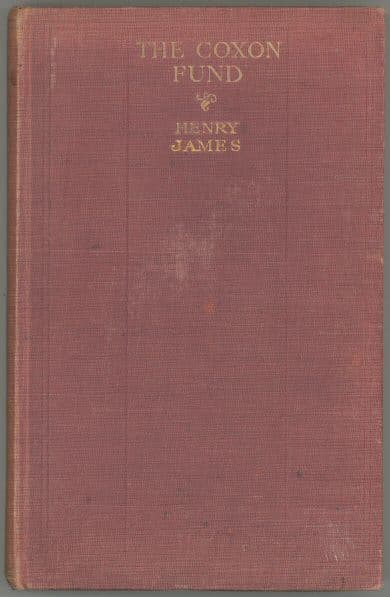
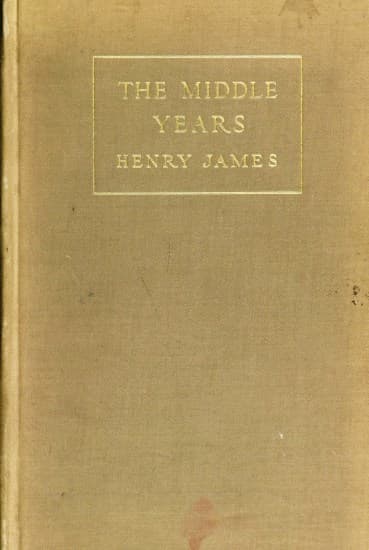
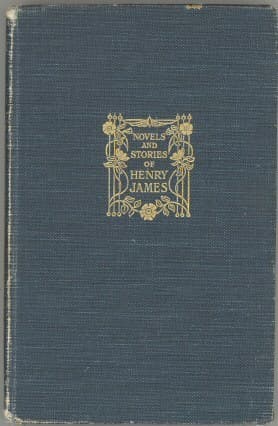
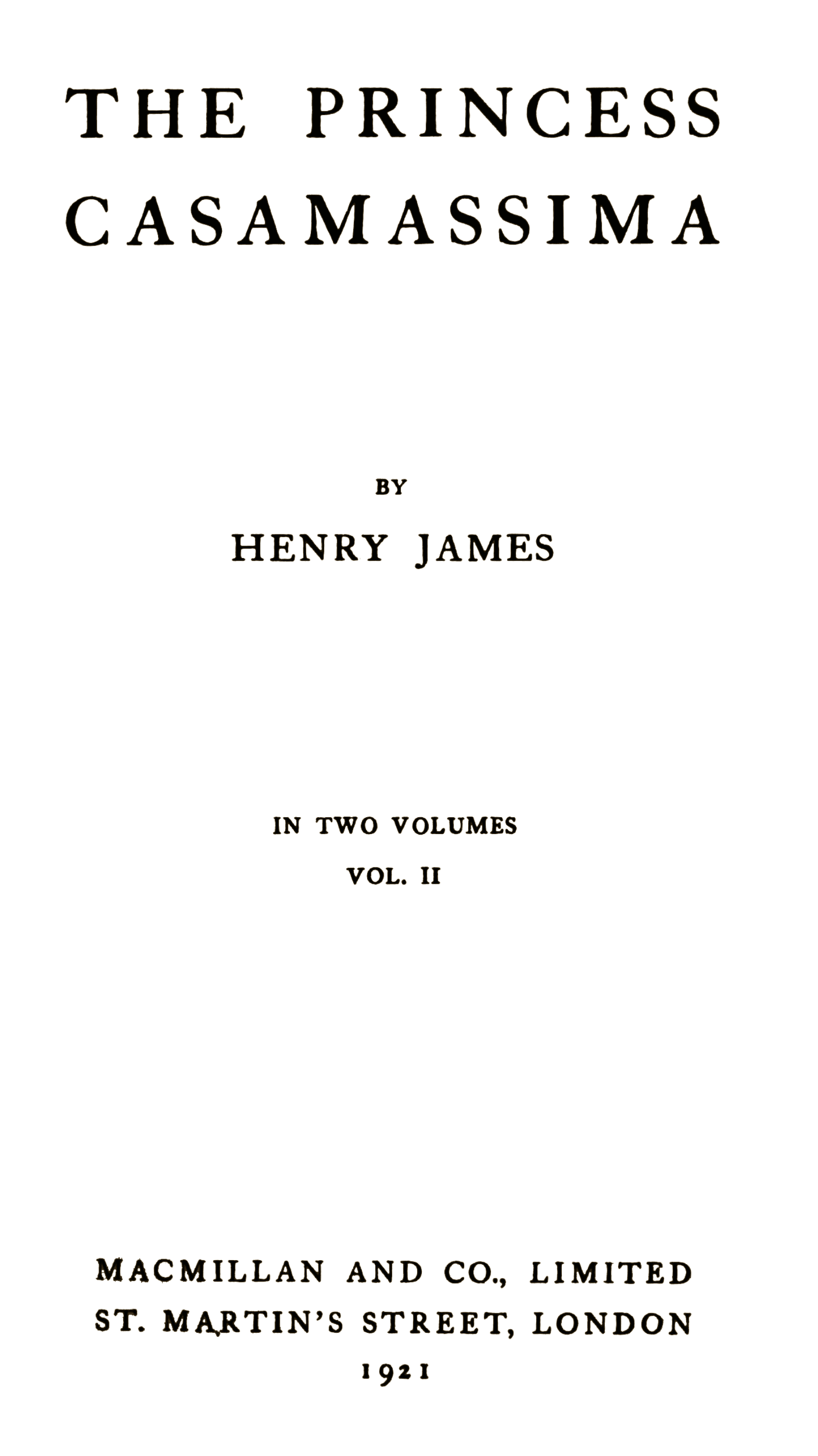
Editions

X-Ray
“Don’t underestimate the value of irony”
— Henry James
“do you think it isbetter to be clever than to be good?”“Good for what?” asked the Doctor. “You are good fornothing unless you are clever.””
— Henry James
“You think too much.''I suppose I do; but I can’t help it, my mind is so terribly active. When I give myself, I give myself. I pay the penalty in my headaches, my famous headaches--a perfect circlet of pain! But I carry it as a queen carries her crown.””
— Henry James
“if you are going to be pushed you had better jump””
— Henry James
“You are good for nothing unless you are clever.””
— Henry James
“She is like a revolving lighthouse; pitch darkness alternating with a dazzling brilliancy!””
— Henry James
“... since she might not be splendid, she would at least be immaculate.””
— Henry James
“Oh," said Catherine, with some eagerness, "it doesn't take long to like a person”
— Henry James
“Besides, he was a philosopher; he smoked a good many cigars over his disappointment, and in thefulness of time he got used to it.””
— Henry James
Link to this book
Add a free, dofollow link to Lex on your blog, forum, syllabus, or reading list.

<a href="https://lex-books.com/book/washington-square-2678f655-ee9c-432a-8d75-6227097d034d"><img src="https://lex-books.com/badges/read-on-lex.svg" alt="Read Washington Square by Henry James free on Lex" width="160" height="40"></a>[](https://lex-books.com/book/washington-square-2678f655-ee9c-432a-8d75-6227097d034d)[url=https://lex-books.com/book/washington-square-2678f655-ee9c-432a-8d75-6227097d034d][img]https://lex-books.com/badges/read-on-lex.svg[/img][/url]Read Washington Square by Henry James free on Lex: https://lex-books.com/book/washington-square-2678f655-ee9c-432a-8d75-6227097d034dCite this book
Reading this edition for a paper or guide? Copy a citation.
James, Henry. Washington Square. Lex, lex-books.com/book/washington-square-2678f655-ee9c-432a-8d75-6227097d034d.James, H. (n.d.). Washington Square. Lex. https://lex-books.com/book/washington-square-2678f655-ee9c-432a-8d75-6227097d034dJames, Henry. Washington Square. Lex. https://lex-books.com/book/washington-square-2678f655-ee9c-432a-8d75-6227097d034d.