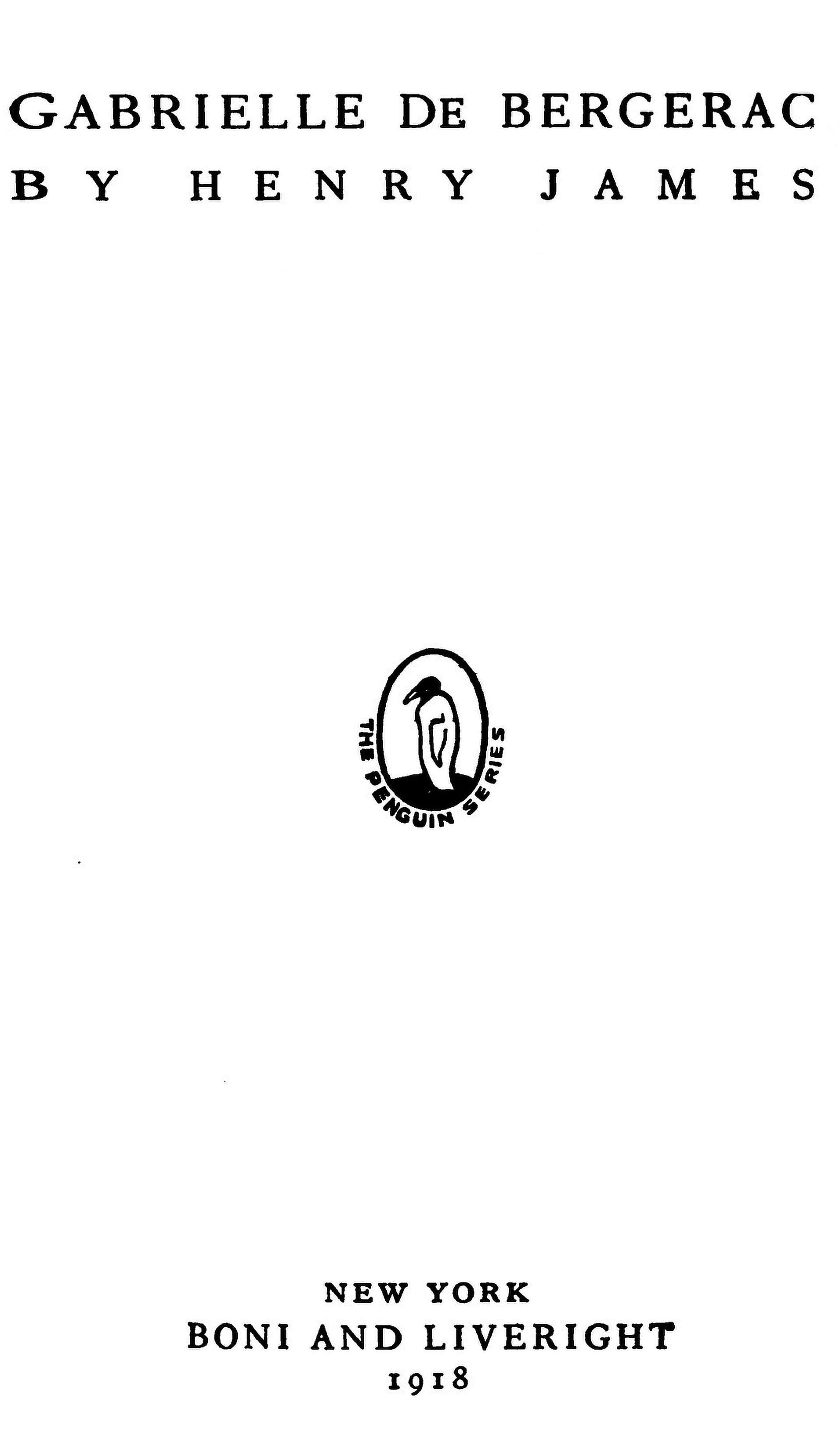
The Middle Years
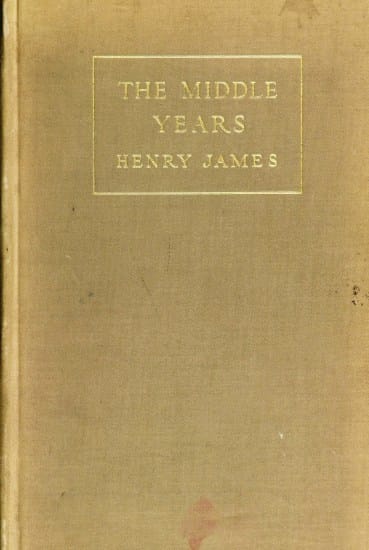
The Middle Years is Henry James's quietly devastating portrait of an aging novelist confronting the twilight of his career. Dencombe, whose "second life" would finally allow him to master his art, lies ill at a seaside hotel while his final manuscript circulates among strangers. What unfolds is not a dramatic reckoning but something more perilous: a man watching his life's work pass through other hands, remembered imperfectly, perhaps misunderstood entirely. James captures with painful precision the artist's fundamental isolation, the way genius exists in a void of perpetual incomprehension. The story builds toward its famous meditation on artistic devotion, working in darkness, giving what one has, the madness of it all, yet Dencombe's final hours are marked less by triumph than by a kind of luminous resignation. This is James at his most personal, filtering his own anxieties about legacy through fiction, and the result is a work that aches with the specific terror of leaving something unfinished.
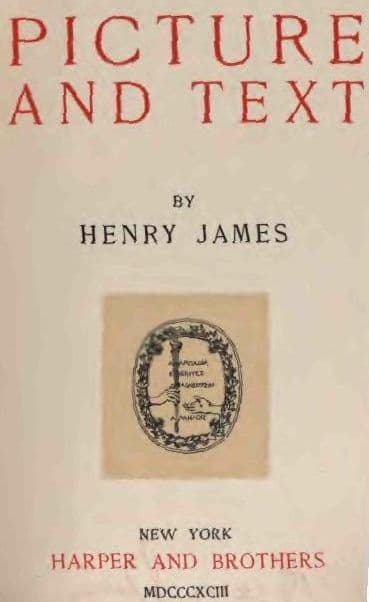
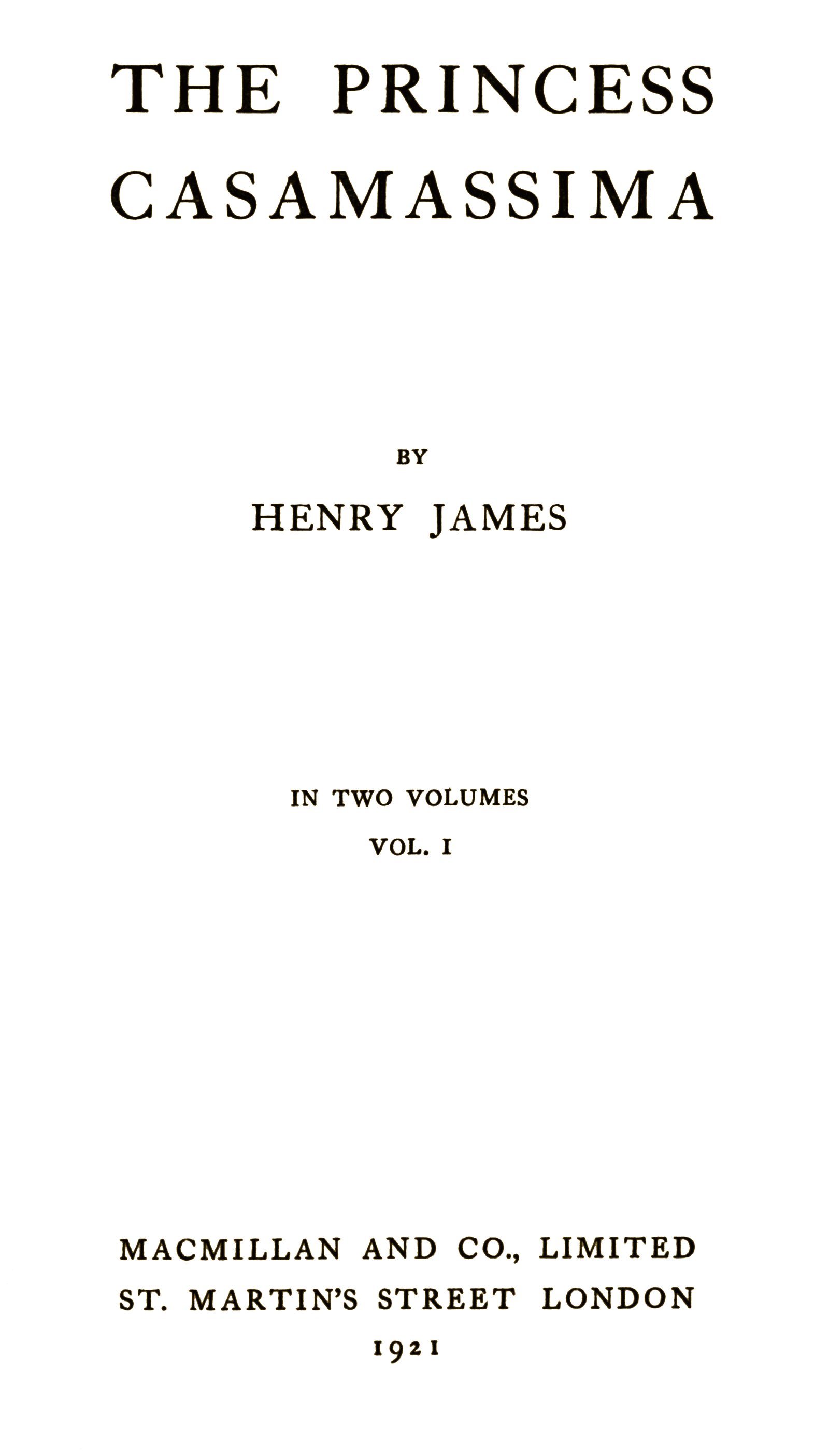
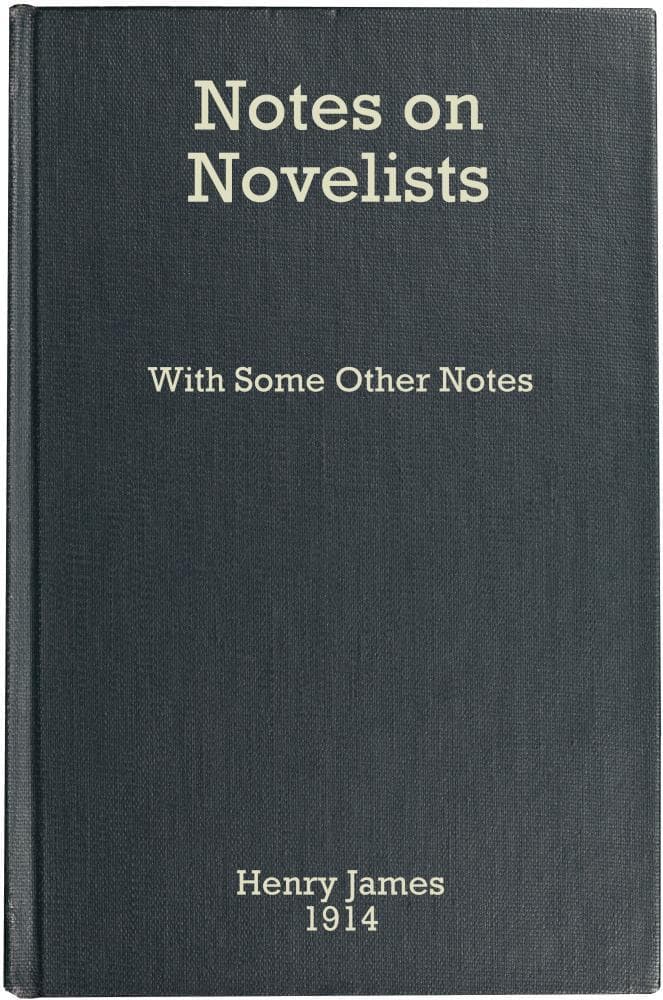
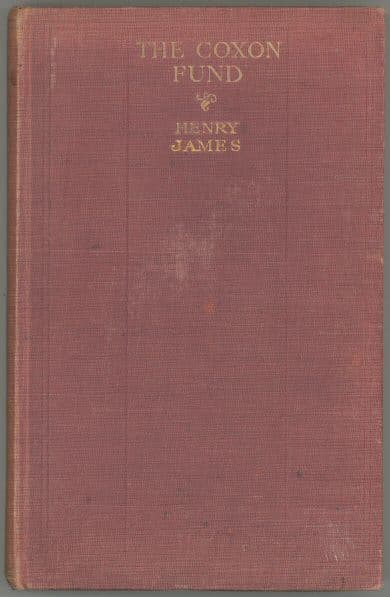
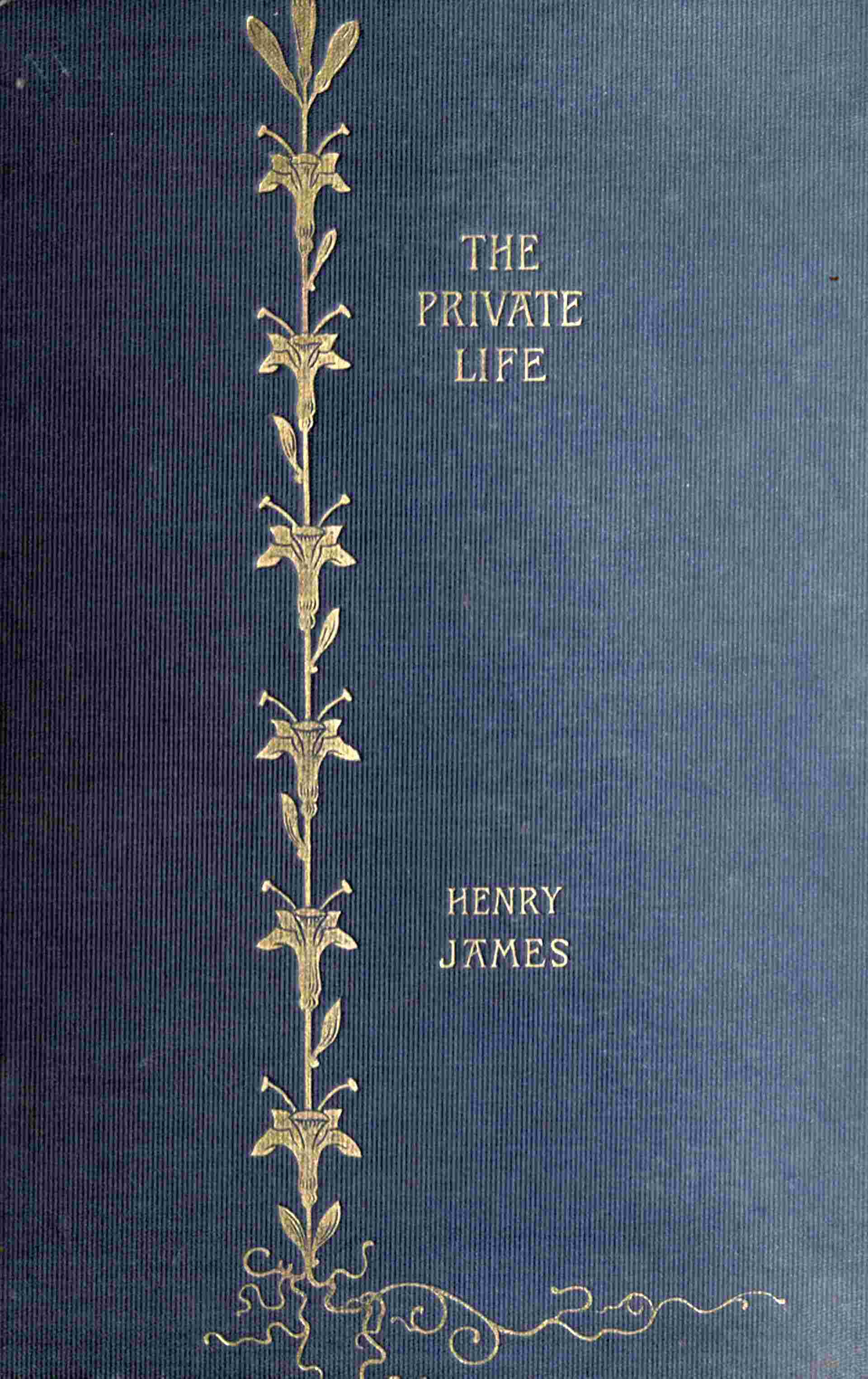
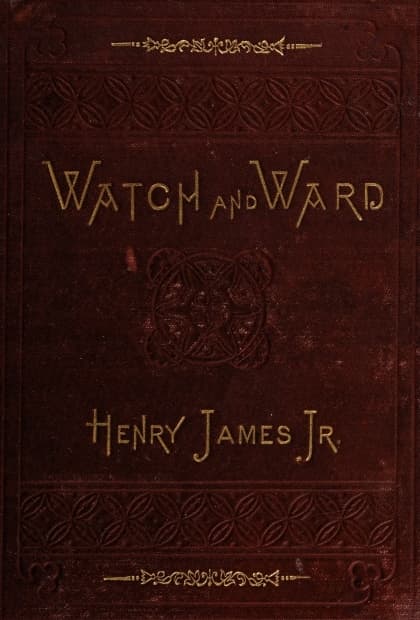
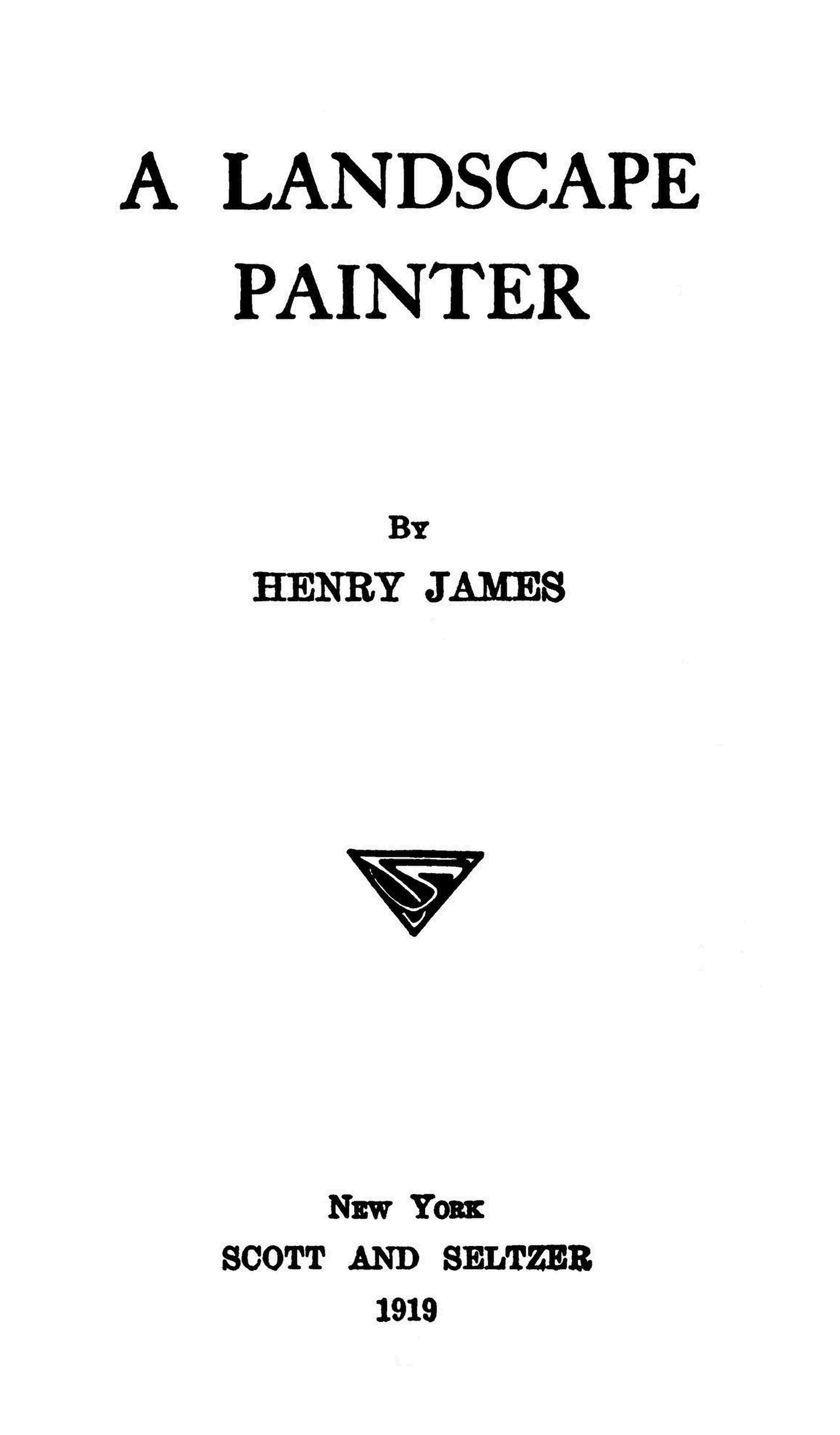
Editions
X-Ray
“We work in the dark - we do what we can - we give what we have. Our doubt is our passion, and our passion is our task. The rest is the madness of art.””
— Henry James
“A second chance”
— Henry James
“Το βιβλίο που κρατούσε ήταν μυθιστόρημα· είχε εξώφυλλο σχεδιασμένο για να τραβάει το μάτι, κι ενώ το ρομάντσο της αληθινής ζωής στεκόταν δίπλα του παραμελημένο, αυτός βυθιζόταν σ' εκείνο μιας δανειστικής βιβλιοθήκης.””
— Henry James
“Could one in those days feel anything with force, whether for pleasure or for pain, without feeling it as an immense little act or event of life, and as therefore taking place on a scene and in circumstances scarce at all to be separated from its own sense and impact?”
— Henry James
“There isn't a thing I can imagine having missed that I don't quite ache to miss again; and it remains at all events an odd stroke that, having of old most felt the thrill of the place in its mighty muchness, I have lived to adore it backward for its sweet simplicity.””
— Henry James
“Didn't I see that humour itself, which might seem elsewhere corrosive and subversive, was, as an English faculty, turned outward altogether and never turned inward?”
— Henry James
Link to this book
Add a free, dofollow link to Lex on your blog, forum, syllabus, or reading list.

<a href="https://lex-books.com/book/the-middle-years-223497e1-3ed8-483d-8e60-13121c718c2a"><img src="https://lex-books.com/badges/read-on-lex.svg" alt="Read The Middle Years by Henry James free on Lex" width="160" height="40"></a>[](https://lex-books.com/book/the-middle-years-223497e1-3ed8-483d-8e60-13121c718c2a)[url=https://lex-books.com/book/the-middle-years-223497e1-3ed8-483d-8e60-13121c718c2a][img]https://lex-books.com/badges/read-on-lex.svg[/img][/url]Read The Middle Years by Henry James free on Lex: https://lex-books.com/book/the-middle-years-223497e1-3ed8-483d-8e60-13121c718c2aCite this book
Reading this edition for a paper or guide? Copy a citation.
James, Henry. The Middle Years. Lex, lex-books.com/book/the-middle-years-223497e1-3ed8-483d-8e60-13121c718c2a.James, H. (n.d.). The Middle Years. Lex. https://lex-books.com/book/the-middle-years-223497e1-3ed8-483d-8e60-13121c718c2aJames, Henry. The Middle Years. Lex. https://lex-books.com/book/the-middle-years-223497e1-3ed8-483d-8e60-13121c718c2a.