Hawthorne: (english Men of Letters Series)
1879
In 1879, Henry James turned his formidable analytical powers on his predecessor in American letters, producing not merely a biography but a profound meditation on what it meant to write as an American. James examines Nathaniel Hawthorne's quiet life in Salem, his Puritan ancestry, and the way this background shaped a literature of moral subtlety and psychological depth. But James is also writing about himself and his own ambivalent relationship to American culture, the limitations he perceived in American society's lack of depth and history, yet the strange vitality of its raw, untutored energy. The essay becomes a document of transatlantic literary politics, revealing James's own journey toward European sophistication while grappling with what he might be leaving behind. Here is one master assessing another, and in doing so, defining the terms by which American literature would come to understand itself.
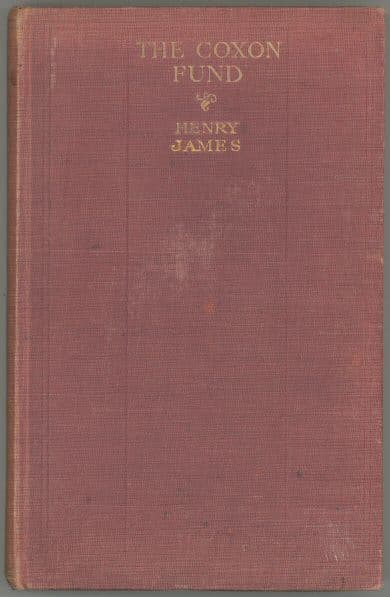
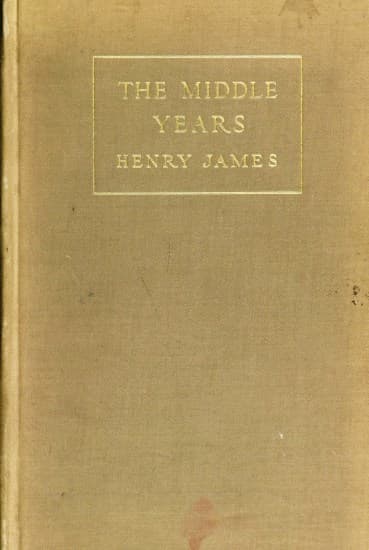
Editions
X-Ray
“Emerson, as a sort of spiritual sun-worshipper, could have attached but a moderate value to Hawthorne’s cat-like faculty of seeing in the dark. “As””
— Henry James
“lived for Concord very effectually, and by his remarkable genius for the observation of the phenomena of woods and streams, of plants and trees, and beasts and fishes, and for flinging a kind of spiritual interest over these things, he did more than he perhaps intended toward consolidating the fame of his accidental human sojourn. He was as shy and ungregarious as Hawthorne; but he and the latter appear to have been sociably disposed towards each other, and there are some charming touches in the preface to the _Mosses_ in regard to the hours they spent in boating together on the large, quiet Concord river.””
— Henry James
“Hawthorne was silent with his lips; but he talked with his pen. The tone of his writing is often that of charming talk”
— Henry James
“Concord is some twenty miles from Boston, and even to day, upwards of forty years after the date of Hawthorne’s removal thither, it is a very fresh and well-preserved looking town. It had already a local history when, a hundred years ago, the larger current of human affairs flowed for a moment around it. Concord has the honour of being the first spot in which blood was shed in the war of the Revolution; here occurred the first exchange of musket-shots between the King’s troops and the American insurgents.””
— Henry James
“these points. All Monday morning in the woods again. Afternoon, out with the drawing party; I felt the evils of the want of conventional refinement, in the impudence with which one of the girls treated me. She has since thought of it with regret, I notice; and by every day’s observation of me will see that she ought not to have done it. In the evening a husking in the barn … a most picturesque scene…. I stayed and helped about half an hour, and then took a long walk beneath the stars. Wednesday…. In the evening a conversation on Impulse…. I defended nature, as I always do;”
— Henry James
“The doctrine of the supremacy of the individual to himself, of his originality and, as regards his own character, _unique_ quality, must have had a great charm for people living in a society in which introspection, thanks to the want of other entertainment, played almost the part of a social resource. In the United States, in those days, there were no great things to look out at (save forests and rivers); life was not in the least spectacular; society was not brilliant; the country was given up to a great material prosperity, a homely _bourgeois_ activity, a diffusion of primary education and the common luxuries. There was therefore, among the cultivated classes, much relish for the utterances of a writer who would help one to take a picturesque view of one’s internal possibilities, and to find in the landscape of the soul all sorts of fine sunrise and moonlight effects.””
— Henry James
“He urged that a man should await his call, his finding the thing to do which he should really believe in doing, and not be urged by the world’s opinion to do simply the world’s work. “If””
— Henry James
“This little epoch of fermentation has three or four drawbacks for the critic”
— Henry James
“of amiable enthusiasts who had had a hand in it. There””
— Henry James
Link to this book
Add a free, dofollow link to Lex on your blog, forum, syllabus, or reading list.

<a href="https://lex-books.com/book/hawthorne-english-men-of-letters-series-1b196f05-1935-47ab-907a-768cc5536c78"><img src="https://lex-books.com/badges/read-on-lex.svg" alt="Read Hawthorne: (english Men of Letters Series) by Henry James free on Lex" width="160" height="40"></a>[](https://lex-books.com/book/hawthorne-english-men-of-letters-series-1b196f05-1935-47ab-907a-768cc5536c78)[url=https://lex-books.com/book/hawthorne-english-men-of-letters-series-1b196f05-1935-47ab-907a-768cc5536c78][img]https://lex-books.com/badges/read-on-lex.svg[/img][/url]Read Hawthorne: (english Men of Letters Series) by Henry James free on Lex: https://lex-books.com/book/hawthorne-english-men-of-letters-series-1b196f05-1935-47ab-907a-768cc5536c78Cite this book
Reading this edition for a paper or guide? Copy a citation.
James, Henry. Hawthorne: (english Men of Letters Series). Lex, lex-books.com/book/hawthorne-english-men-of-letters-series-1b196f05-1935-47ab-907a-768cc5536c78.James, H. (1879). Hawthorne: (english Men of Letters Series). Lex. https://lex-books.com/book/hawthorne-english-men-of-letters-series-1b196f05-1935-47ab-907a-768cc5536c78James, Henry. Hawthorne: (english Men of Letters Series). Lex. https://lex-books.com/book/hawthorne-english-men-of-letters-series-1b196f05-1935-47ab-907a-768cc5536c78.