Daisy Miller: A Study
1878
She was young, beautiful, and fatally American. In the lounges of Swiss hotels and the ruins of Rome, Daisy Miller walks alone with men after dark, laughs too loudly, and refuses to apologize for wanting to see the world on her own terms. Winterbourne, an American who has learned to navigate European society's treacherous currents, watches her with fascination and horror - drawn to her wild innocence, terrified of what society will do to such openness. James called this a "study," and it is: a precise, merciless examination of what happens when unfiltered American optimism meets the poisoned courtesies of the Old World. Daisy doesn't understand the invisible rules that govern elite society, and when she finally learns them, it costs her everything. The novella crackles with cultural tension - the clash between American freedom and European restraint, between sincerity and social performance - and builds to a conclusion as tragic as it is inevitable. What keeps Daisy Miller vital is its uncomfortable relevance: the question of how much of ourselves we must sacrifice to belong, and whether those who refuse to compromise are heroes or fools.
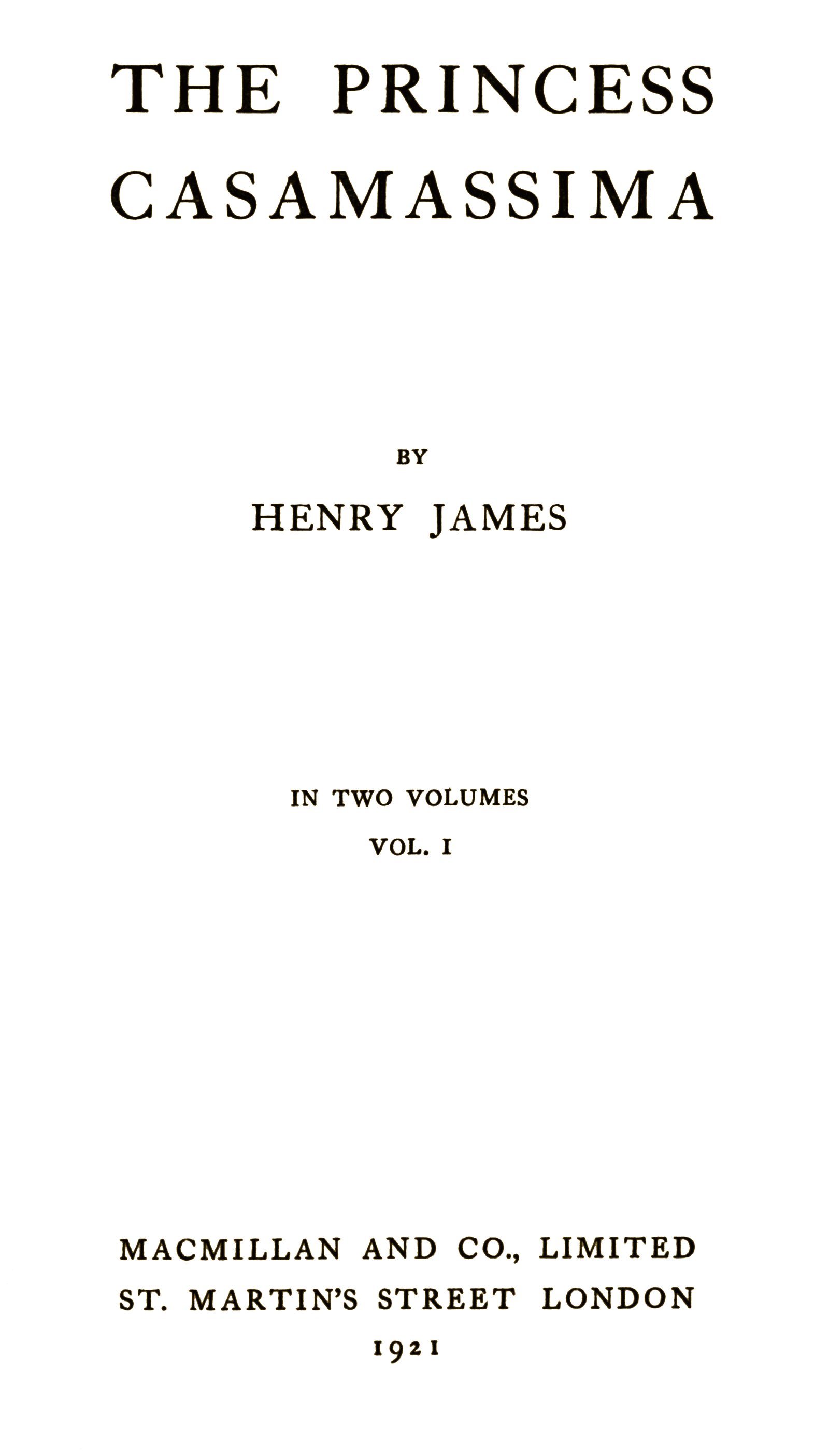
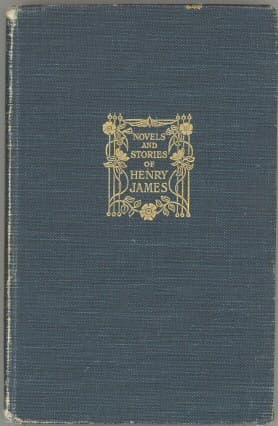
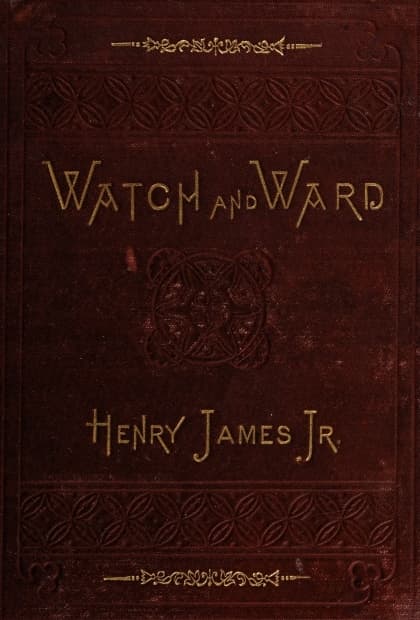
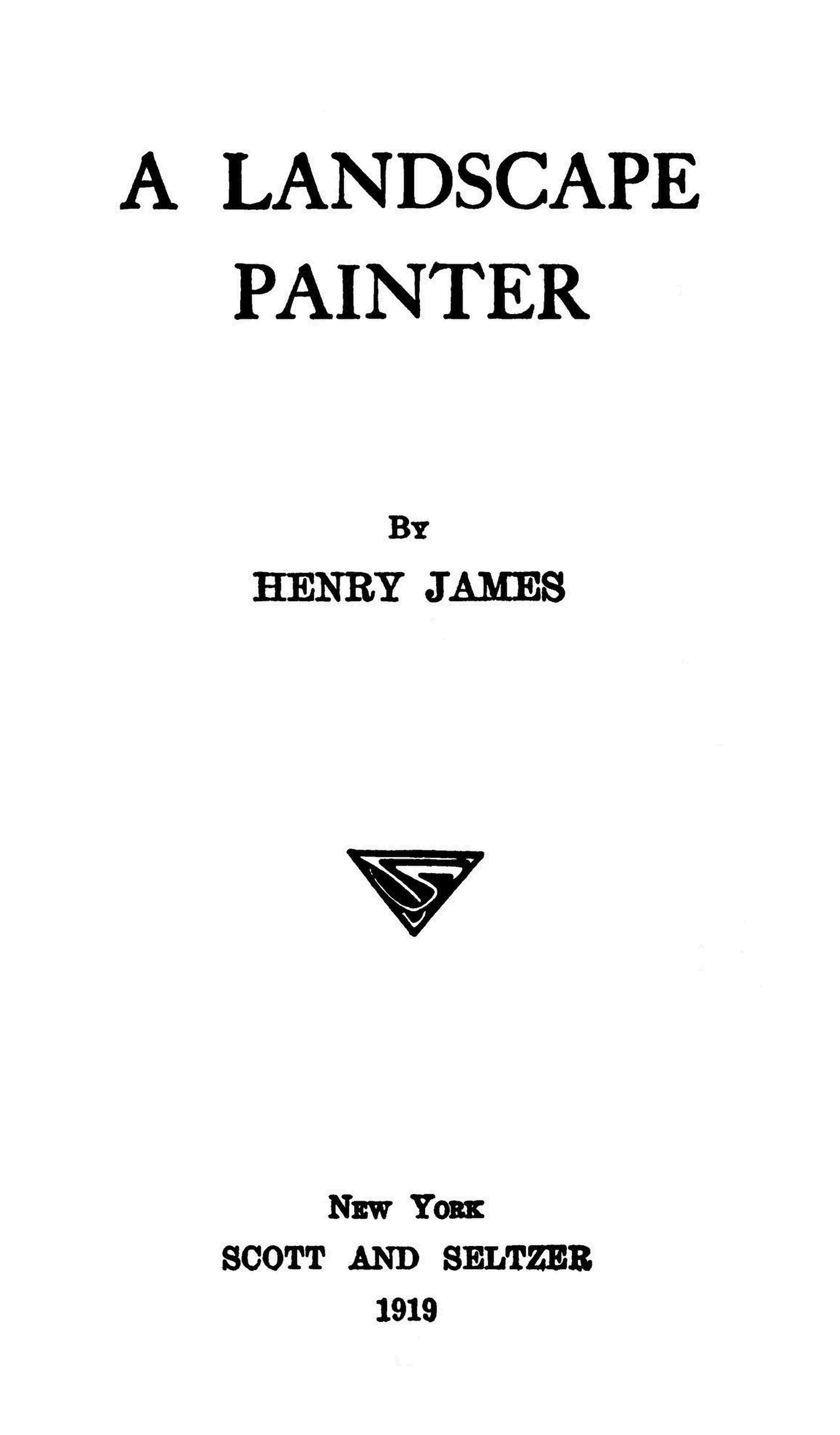
Editions
X-Ray
“I have never allowed a gentleman to dictate to me, or to interfere with anything I do.””
— Henry James
“They are hopelessly vulgar. Whether or no being hopelessly vulgar is being 'bad' is a question for the metaphysicians. They are bad enough to dislike, at any rate; and for this short life that is quite enough.””
— Henry James
“My father ain't in Europe; my father's in a better place than Europe." Winterbourne imagined for a moment that this was the manner in which the child had been taught to intimate that Mr. Miller had been removed to the sphere of celestial reward. But Randolph immediately added, "My father's in Schenectady.””
— Henry James
“Am I grave?', he asked. 'I had an idea I was grinning from ear to ear.''You look as if you were taking me to a funeral. If that's a grin, your ears are very near together.””
— Henry James
“The historic atmosphere was there, certainly; but the historic atmosphere, scientifically considered, was no better than a villainous miasma””
— Henry James
“The news that Daisy Miller was surrounded by half a dozen wonderful mustaches checked Winterbourne's impulse to go straightway to see her.””
— Henry James
“if nocturnal meditations in the Colosseum are recommended by the poets, they are deprecated by the doctors.””
— Henry James
“After this Daisy was never at home, and Winterbourne ceased to meet her at the houses of their common acquaintances, because, as he perceived, these shrewd people had quite made up their minds that she was going too far. They ceased to invite her, and they intimated that they desired to express observant Europeans the great truth that, though Miss Daisy Miller was a young American lady, her behaviour was not representative - was regarded by her compatriots as abnormal. Winterbourne wondered how she felt about all the cold shoulders that were turned towards her, and sometimes it annoyed him to suspect that she did not feel at all. He said to himself that she was too light and childish, too uncultivated and unreasoning, too provincial, to have reflected upon her ostracism or even to have perceived it. Then at other moments he believed that she carried about in her elegant and irresponsible little organism a defiant, passionate, perfectly observant consciousness of the impression she produced. He asked himself whether Daisy's defiance came from the consciousness of innocence or from her being, essentially, a young person of the reckless class. It must be admitted that holding oneself to a belief in Daisy's "innocence" came to see Winterbourne more and more a matter of fine-spun gallantry. As I have already had occasion to relate, he was angry at finding himself reduced to chopping logic about this young lady; he was vexed at his want of instinctive certitude as to how far her eccentricities were generic, national, and how far they were personal. From either view of them he had somehow missed her, and now it was too late.””
— Henry James
“In such hours as this what have we to do with pain? That is not the deepest thing; there is something deeper.””
— Henry James
Link to this book
Add a free, dofollow link to Lex on your blog, forum, syllabus, or reading list.

<a href="https://lex-books.com/book/daisy-miller-a-study-e0365056-6d2a-4222-b49b-ba387f319873"><img src="https://lex-books.com/badges/read-on-lex.svg" alt="Read Daisy Miller: A Study by Henry James free on Lex" width="160" height="40"></a>[](https://lex-books.com/book/daisy-miller-a-study-e0365056-6d2a-4222-b49b-ba387f319873)[url=https://lex-books.com/book/daisy-miller-a-study-e0365056-6d2a-4222-b49b-ba387f319873][img]https://lex-books.com/badges/read-on-lex.svg[/img][/url]Read Daisy Miller: A Study by Henry James free on Lex: https://lex-books.com/book/daisy-miller-a-study-e0365056-6d2a-4222-b49b-ba387f319873Cite this book
Reading this edition for a paper or guide? Copy a citation.
James, Henry. Daisy Miller: A Study. Lex, lex-books.com/book/daisy-miller-a-study-e0365056-6d2a-4222-b49b-ba387f319873.James, H. (1878). Daisy Miller: A Study. Lex. https://lex-books.com/book/daisy-miller-a-study-e0365056-6d2a-4222-b49b-ba387f319873James, Henry. Daisy Miller: A Study. Lex. https://lex-books.com/book/daisy-miller-a-study-e0365056-6d2a-4222-b49b-ba387f319873.