What would you like to read?Search books, authors, genres, shelves, users...
Search books, authors, genres, shelves, users...Search books, authors, genres, shelves, users...

What would you like to read?Search books, authors, genres, shelves, users...
Search books, authors, genres, shelves, users...Search books, authors, genres, shelves, users...
1849
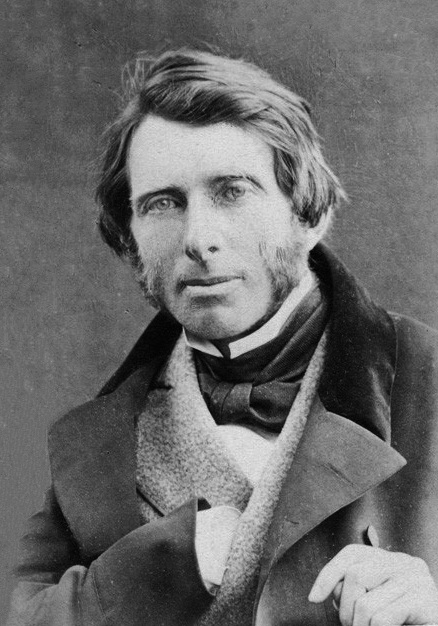
John Ruskin
1849
An architectural manifesto written in the mid-19th century. The work is structured as a series of essays that discuss fundamental principles guiding architecture, particularly through the metaphor of ''lamps'' symbolizing different values. Ruskin's goal is to elevate architecture beyond mere construction to an art form that embodies spiritual, moral, and aesthetic ideals. At the start of the text, Ruskin provides a preface and introduction, outlining his approach to architectural criticism. He distinguishes between building and architecture, emphasizing that the latter should convey beauty and deeper meanings rather than just fulfill practical functions. Ruskin reflects on his observations of medieval architecture, lamenting the decline in artistic values in contemporary practices. He introduces the concept of the ''Lamp of Sacrifice,'' indicating that true architecture demands personal sacrifice and dedication to beauty and truth, fundamentally opposing the cost-cutting mindset dominant in his time. Through this engaging opening, he sets the stage for a profound exploration of architectural ethics and aesthetics.