Rude Stone Monuments in All Countries: Their Age and Uses
1872
Rude Stone Monuments in All Countries: Their Age and Uses
1872
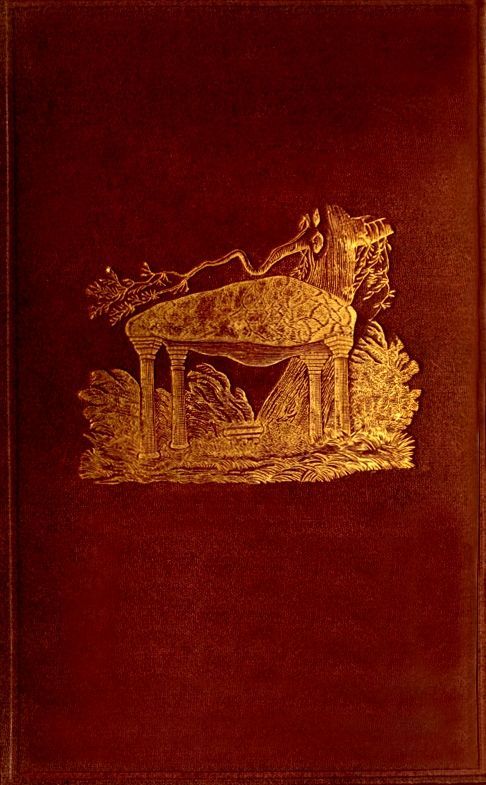
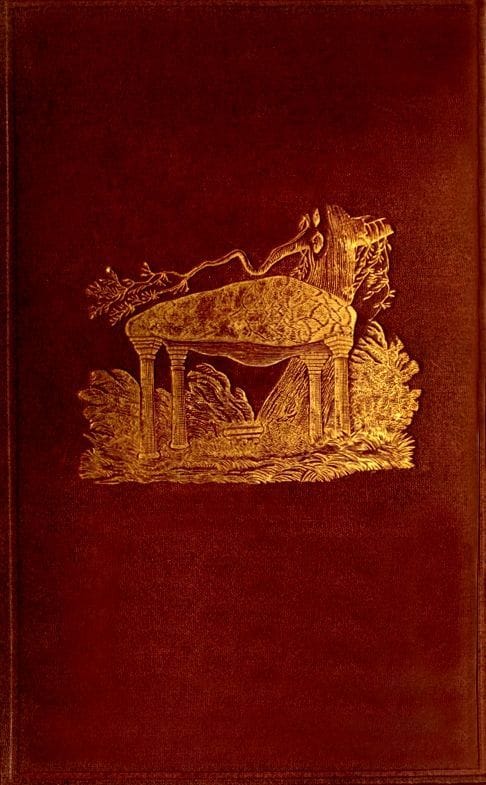
In 1872, the great stone monuments of Europe, Asia, and beyond remained among archaeology's most contested mysteries. Were they tombs? Temples? Calendars? Instruments of forgotten religions or simply markers of territorial boundaries? James Fergusson, a pioneering voice in architectural history, tackles these questions with striking directness: he states his case plainly and defends it without apology. This is not a book of careful hedging but of bold argument. Fergusson surveys megalithic structures across the globe - the dolmens of Europe, the cyclopean walls of Greece, the ancient monuments of India - and argues that these rude stone monuments constitute a distinct architectural tradition, as legitimate and study-worthy as Gothic, Greek, or Egyptian. He contrasts his reasoned approach with the speculation and myth that had characterized earlier antiquarian work, seeking to drag the study of prehistoric monuments into the light of systematic inquiry. Though archaeology has advanced enormously since Fergusson wrote, this remains a fascinating window into how Victorian scholars first attempted to bring order to the deep past, and a testament to the enduring human urge to understand our most ancient monuments.
Editions
Link to this book
Add a free, dofollow link to Lex on your blog, forum, syllabus, or reading list.

<a href="https://lex-books.com/book/rude-stone-monuments-in-all-countries-their-age-and-uses-0707e116-4cb5-450b-a3e9-f13cb25a069b"><img src="https://lex-books.com/badges/read-on-lex.svg" alt="Read Rude Stone Monuments in All Countries: Their Age and Uses by James Fergusson free on Lex" width="160" height="40"></a>[](https://lex-books.com/book/rude-stone-monuments-in-all-countries-their-age-and-uses-0707e116-4cb5-450b-a3e9-f13cb25a069b)[url=https://lex-books.com/book/rude-stone-monuments-in-all-countries-their-age-and-uses-0707e116-4cb5-450b-a3e9-f13cb25a069b][img]https://lex-books.com/badges/read-on-lex.svg[/img][/url]Read Rude Stone Monuments in All Countries: Their Age and Uses by James Fergusson free on Lex: https://lex-books.com/book/rude-stone-monuments-in-all-countries-their-age-and-uses-0707e116-4cb5-450b-a3e9-f13cb25a069bCite this book
Reading this edition for a paper or guide? Copy a citation.
Fergusson, James. Rude Stone Monuments in All Countries: Their Age and Uses. Lex, lex-books.com/book/rude-stone-monuments-in-all-countries-their-age-and-uses-0707e116-4cb5-450b-a3e9-f13cb25a069b.Fergusson, J. (1872). Rude Stone Monuments in All Countries: Their Age and Uses. Lex. https://lex-books.com/book/rude-stone-monuments-in-all-countries-their-age-and-uses-0707e116-4cb5-450b-a3e9-f13cb25a069bFergusson, James. Rude Stone Monuments in All Countries: Their Age and Uses. Lex. https://lex-books.com/book/rude-stone-monuments-in-all-countries-their-age-and-uses-0707e116-4cb5-450b-a3e9-f13cb25a069b.