The Life of Man: A Play in Five Acts
1920
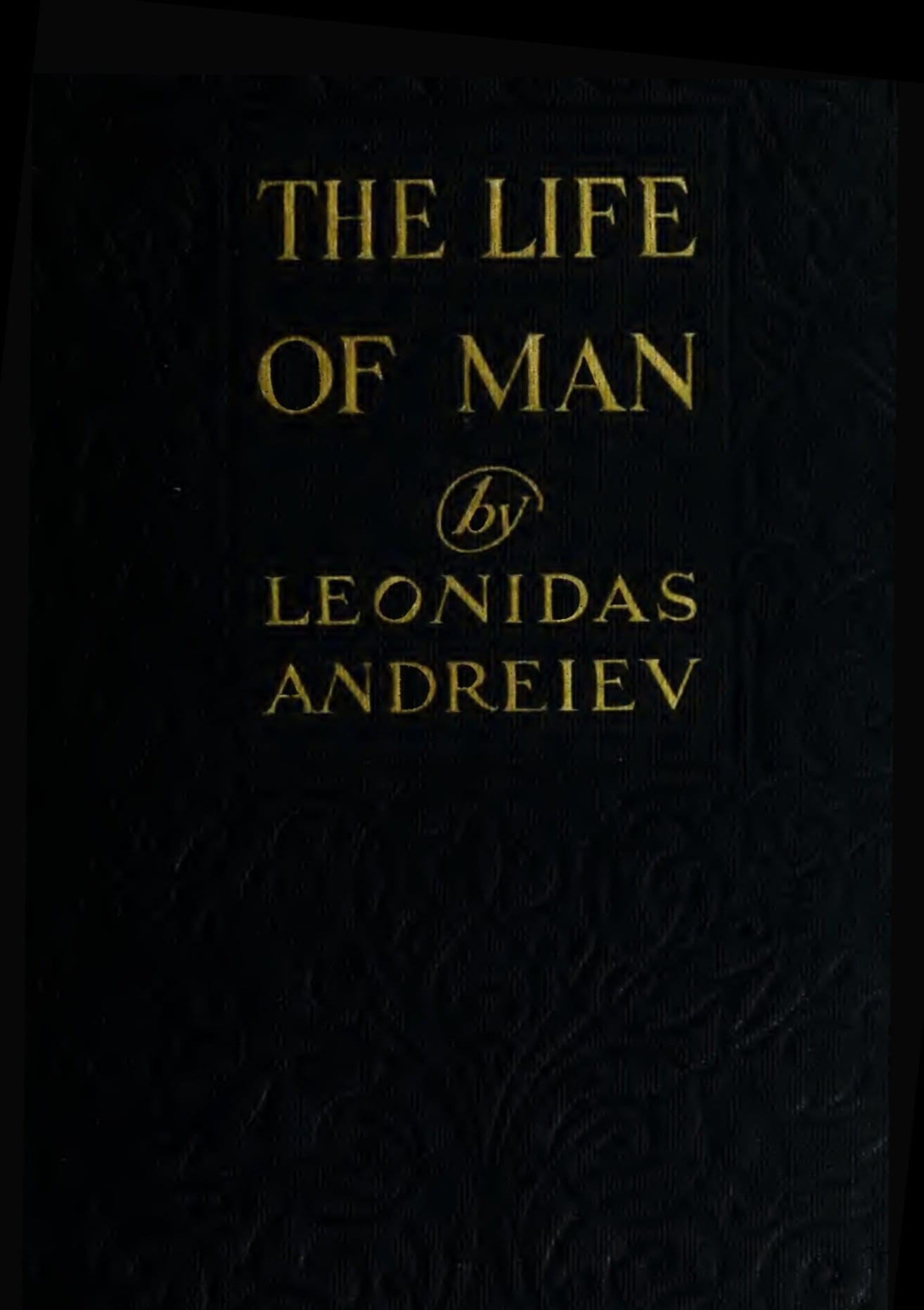
The Life of Man: A Play in Five Acts
1920
Translated by Hogarth C. J.
The Man is born into a world that greets him with weeping. So begins Leonid Andreyev's devastating Symbolist drama, a five-act meditation on existence that unfolds from the first cry of infancy to the final silence of death. The Being in Grey, a strange allegorical figure, serves as both narrator and fate, guiding the audience through a life marked by joy that never lasts and suffering that inevitably returns. The Father holds his newborn with hope, unaware that he has handed his son to a force that will take everything back. Across acts that shift from laughter to despair, we watch the Man reach for love, grasp brief happiness, and watch it dissolve like morning frost. Andreyev, writing in the twilight of his career and his life, stripped away everything unnecessary to reveal the raw machinery beneath human experience: the terrible simplicity of being born, suffering, and dying. This is not a play that offers comfort. It is a play that stares into the abyss and asks you to do the same. For readers who crave theater that cuts rather than consoles, that insists on truth over redemption, The Life of Man remains a startling, unflinching masterpiece.
Editions
Link to this book
Add a free, dofollow link to Lex on your blog, forum, syllabus, or reading list.

<a href="https://lex-books.com/book/the-life-of-man-a-play-in-five-acts-44dc1eff-cb67-498f-b565-a59a5b854ea5"><img src="https://lex-books.com/badges/read-on-lex.svg" alt="Read The Life of Man: A Play in Five Acts by Leonid Andreyev free on Lex" width="160" height="40"></a>[](https://lex-books.com/book/the-life-of-man-a-play-in-five-acts-44dc1eff-cb67-498f-b565-a59a5b854ea5)[url=https://lex-books.com/book/the-life-of-man-a-play-in-five-acts-44dc1eff-cb67-498f-b565-a59a5b854ea5][img]https://lex-books.com/badges/read-on-lex.svg[/img][/url]Read The Life of Man: A Play in Five Acts by Leonid Andreyev free on Lex: https://lex-books.com/book/the-life-of-man-a-play-in-five-acts-44dc1eff-cb67-498f-b565-a59a5b854ea5Cite this book
Reading this edition for a paper or guide? Copy a citation.
Andreyev, Leonid. The Life of Man: A Play in Five Acts. Lex, lex-books.com/book/the-life-of-man-a-play-in-five-acts-44dc1eff-cb67-498f-b565-a59a5b854ea5.Andreyev, L. (1920). The Life of Man: A Play in Five Acts. Lex. https://lex-books.com/book/the-life-of-man-a-play-in-five-acts-44dc1eff-cb67-498f-b565-a59a5b854ea5Andreyev, Leonid. The Life of Man: A Play in Five Acts. Lex. https://lex-books.com/book/the-life-of-man-a-play-in-five-acts-44dc1eff-cb67-498f-b565-a59a5b854ea5.