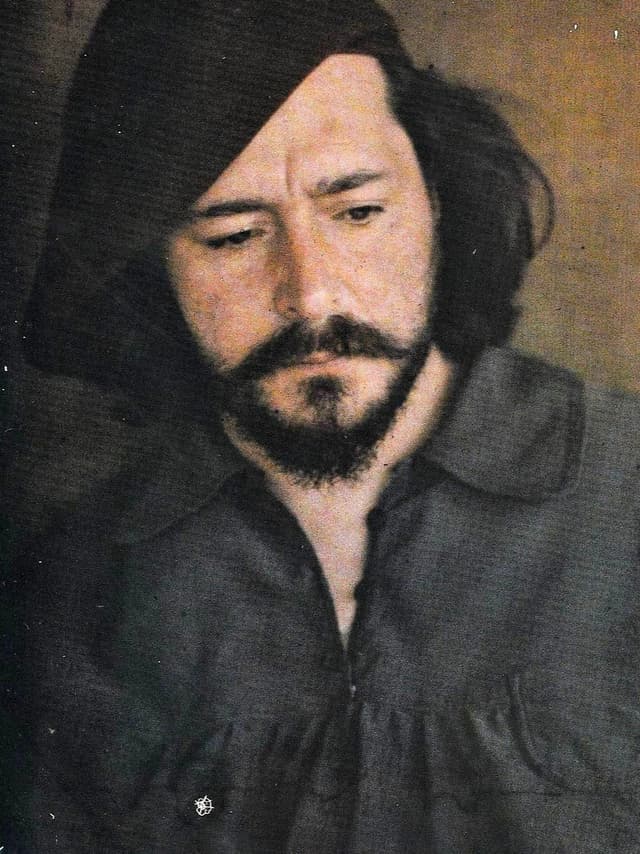
Leonid Andreyev
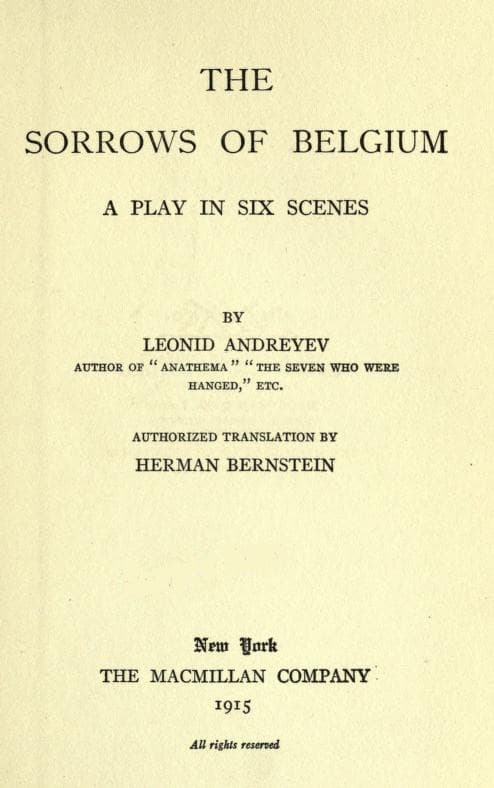
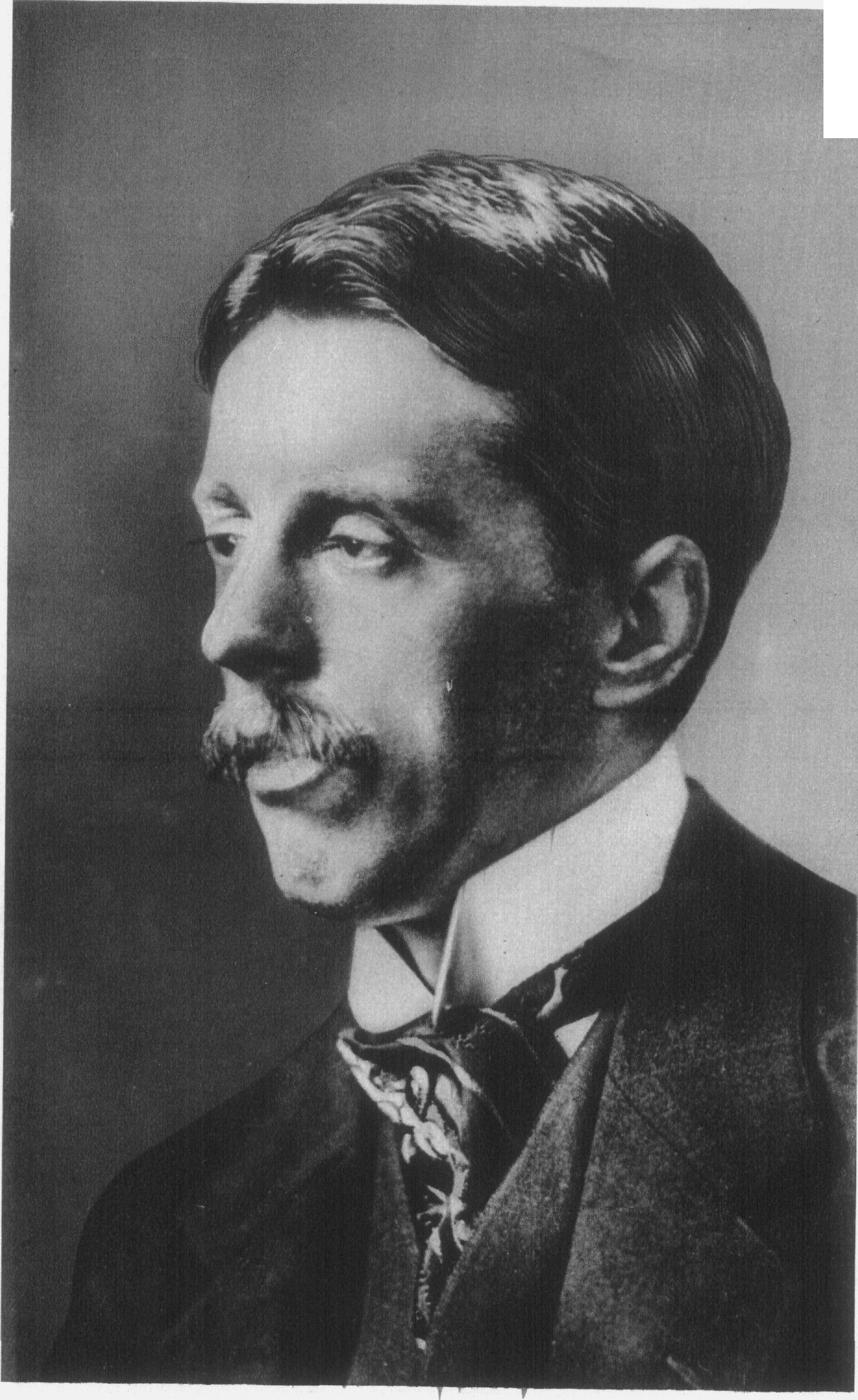
Leonid Andreyev was a prominent Russian playwright, novelist, and short-story writer, recognized as a pioneering figure in the development of Expressionism within Russian literature. Born in 1871, he emerged as a significant voice during the Silver Age, a period marked by artistic innovation and cultural flourishing. Andreyev's literary style was a unique blend of realism, naturalism, and symbolism, allowing him to explore the depths of human emotion and the complexities of the human condition. His works often delved into themes of existential despair and the absurdity of life, reflecting the turbulent social and political landscape of early 20th-century Russia. Among his extensive oeuvre, which includes around 25 plays, his 1915 work 'He Who Gets Slapped' stands out as a hallmark of his creative genius. This play, characterized by its poignant exploration of identity and the human psyche, showcases Andreyev's ability to intertwine dramatic narrative with profound philosophical inquiry. His contributions to literature not only influenced his contemporaries but also left a lasting legacy that would shape future generations of writers. Andreyev's exploration of the darker aspects of human experience and his innovative narrative techniques solidified his place as a key figure in Russian literary history.
Famous Quotes
View all 3 quotes“I want to be the apostle of self destruction. I want my book to affect man’s reason, his emotions, his nerves, his whole animal nature. I should like my book to make people turn pale with horror as they read it, to affect them like a drug, like a terrifying dream, to drive them mad, to make them curse and hate me but still to read me and…to kill themselves.”
“Life seemed to him to be a narrow cage, and her iron bars were many and dense, and there was only one way out.”
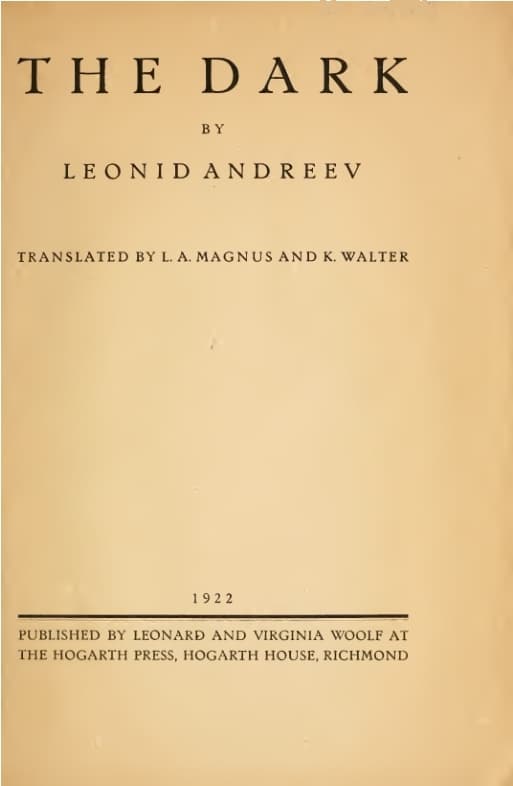
“Look at us, Lazarus, and share our joy. Is there anything stronger than love?" And Lazarus looked. And for the rest of their life they kept on loving each other, but their passion grew gloomy and joyless, like those funeral cypresses whose roots feed on the decay of the graves and whose black summits in a still evening hour seek in vain to reach the sky. Thrown by the unknown forces of life into each other's embraces, they mingled tears with kisses, voluptuous pleasures with pain, and they felt themselves doubly slaves, obedient slaves to life, and patient servants of the silent Nothingness. Ever united, ever severed, they blazed like sparks and like sparks lost themselves in the boundless Dark.”
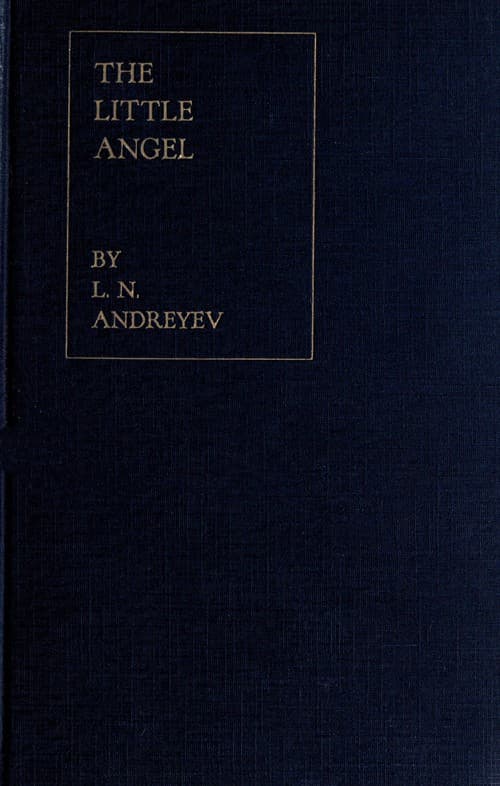
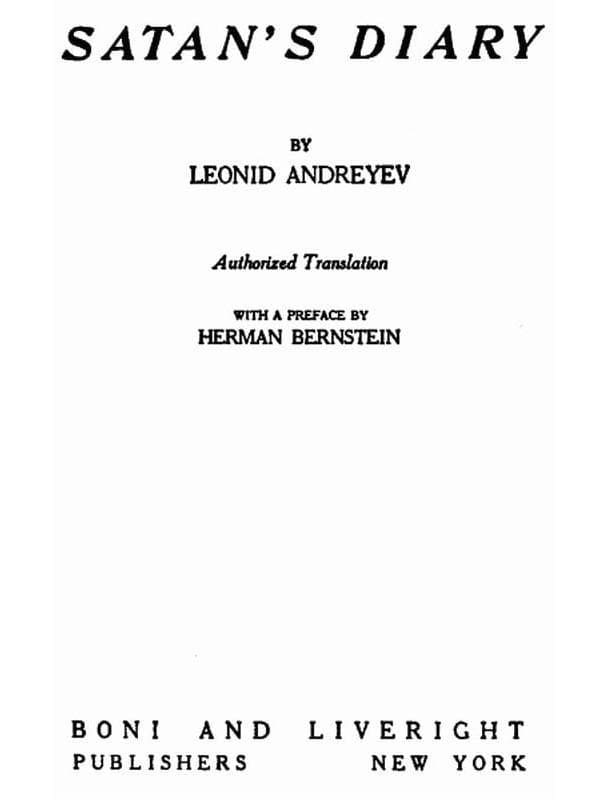
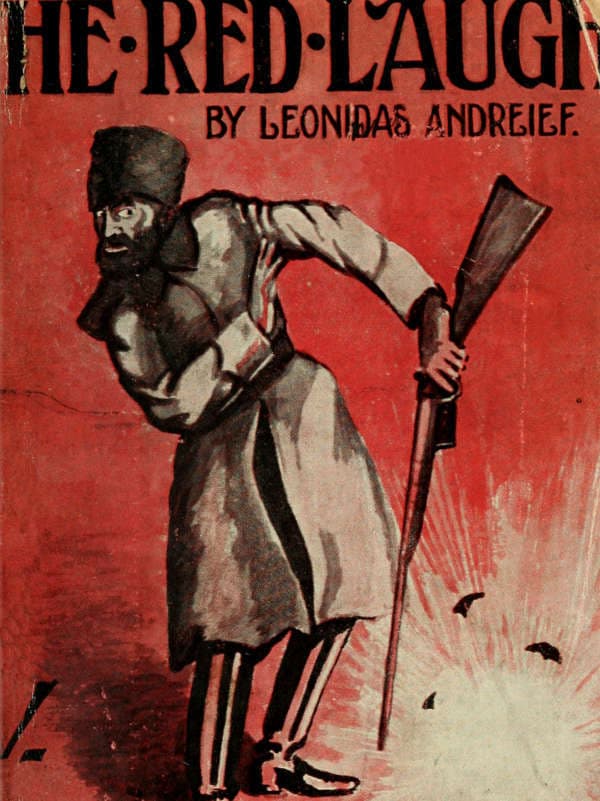
Books from the author


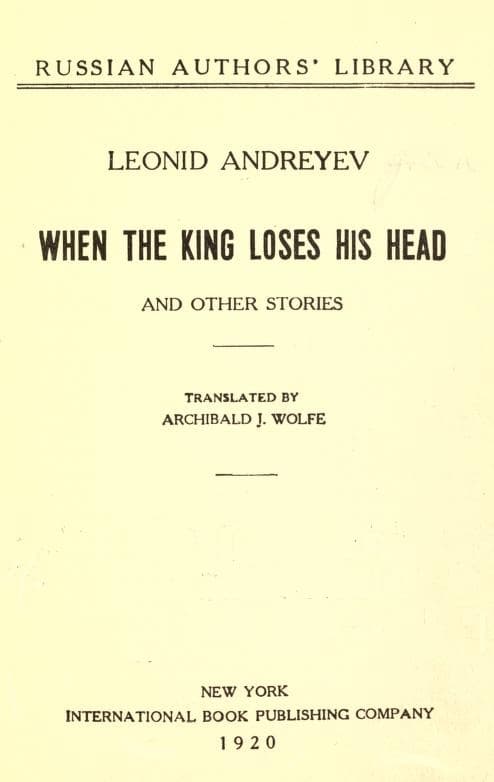
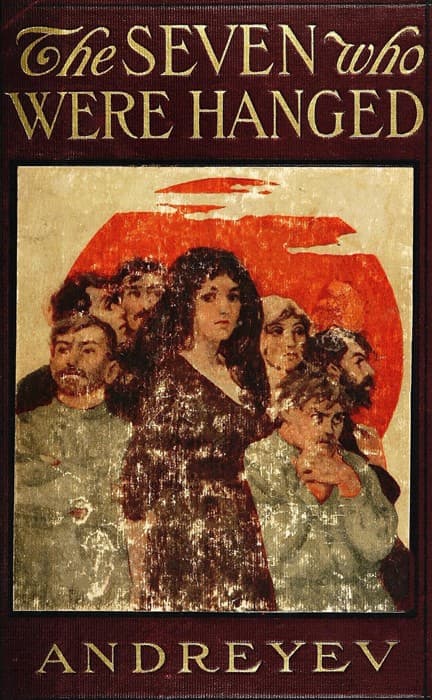
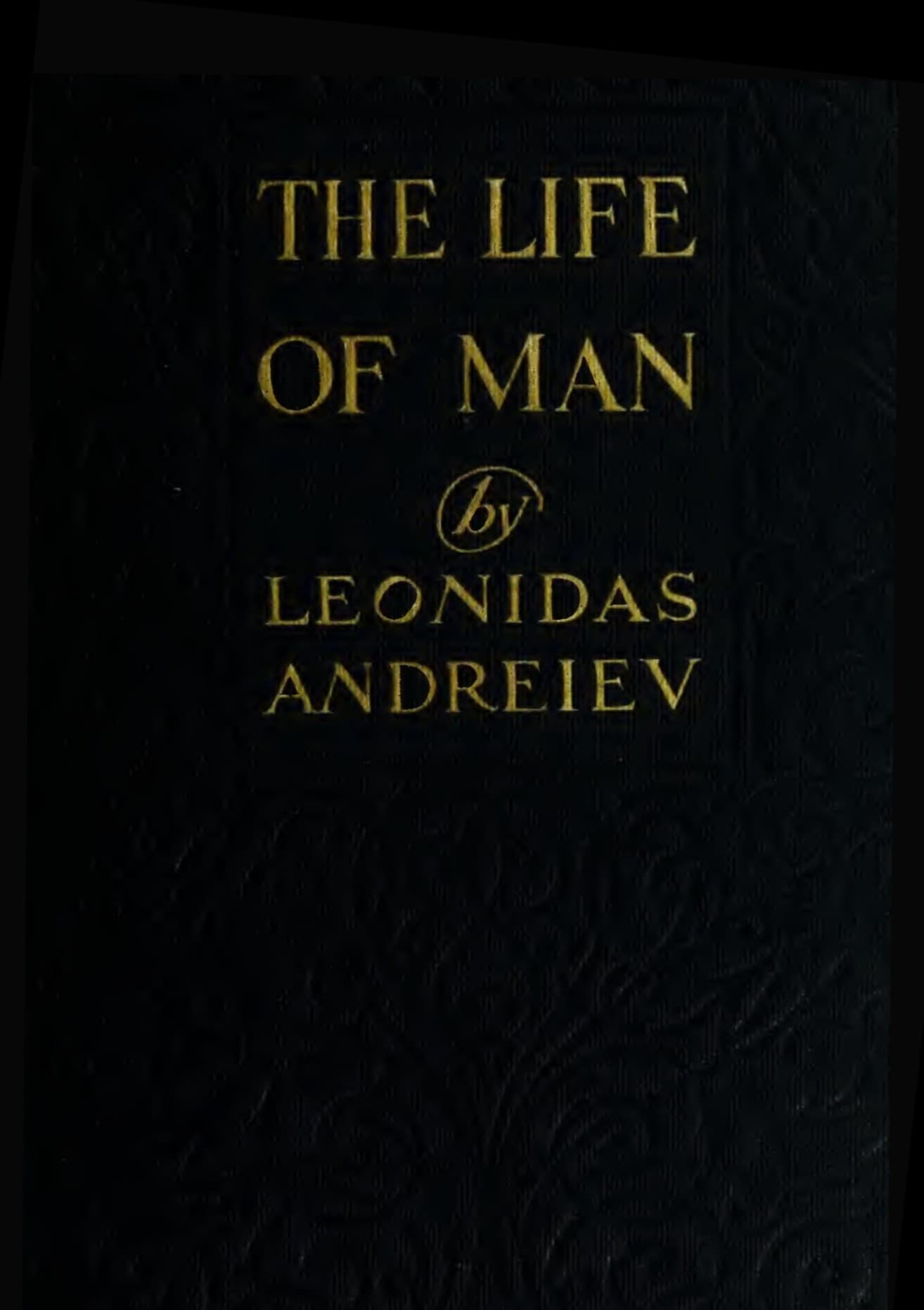


Link to this page
Add a free, dofollow link to Lex on your blog, forum, syllabus, or reading list.

<a href="https://lex-books.com/author/leonid-andreyev"><img src="https://lex-books.com/badges/read-on-lex.svg" alt="Leonid Andreyev on Lex" width="160" height="40"></a>[](https://lex-books.com/author/leonid-andreyev)[url=https://lex-books.com/author/leonid-andreyev][img]https://lex-books.com/badges/read-on-lex.svg[/img][/url]Leonid Andreyev on Lex: https://lex-books.com/author/leonid-andreyev