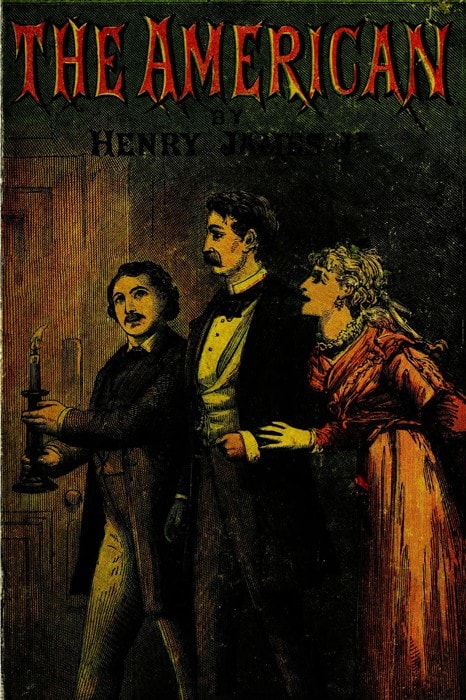
The American
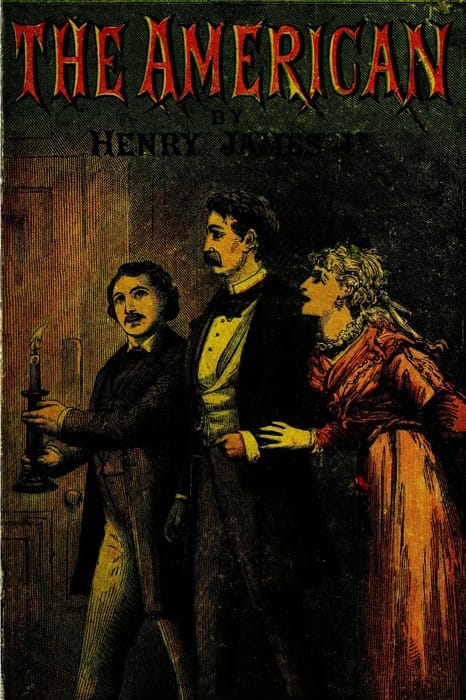
Christopher Newman, a self-made American millionaire on his first tour of Europe, has come to Paris seeking something money cannot buy: refinement, culture, a place among the old families of the Continent. He finds Claire de Bellegarde, a beautiful aristocratic widow, and believes he's found his future. But the Bellegardes, their pride fortified by centuries of lineage, look at this blunt, earnest American and see only vulgarity with a bank account. Their rejection is courteous and crushing. Then Newman stumbles upon a dark secret in the Bellegarde past, and the novel pivots from social comedy to moral thriller. He holds their shame in his hands. Should he expose them, humiliate them as they humiliated him? Or is there something worse in revenge than in the petty cruelties of the aristocracy? James, writing at the height of his early powers, constructs a fascinating trap: Newman is sympathetic but slightly ridiculous, his American directness both admirable and naive, his moral dilemma genuinely difficult. This is the American abroad as both comedy and tragedy, James skewering the pretensions of European nobility while probing the complicated soul of a man who thought wealth would be his passport to the past. It remains acutely relevant: a story about what class costs, what revenge costs, and whether grace is a birthright or a choice.
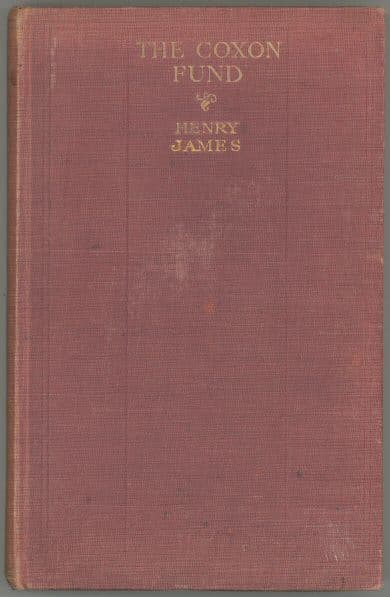
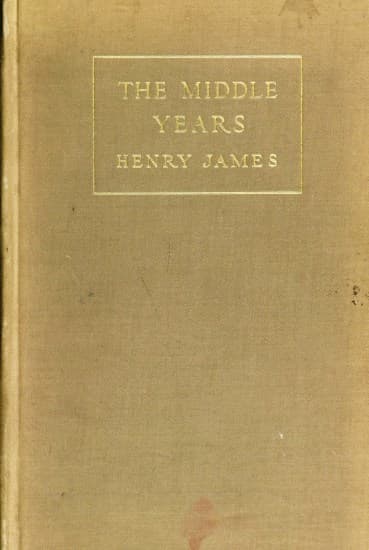
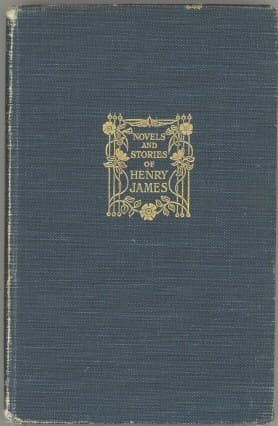
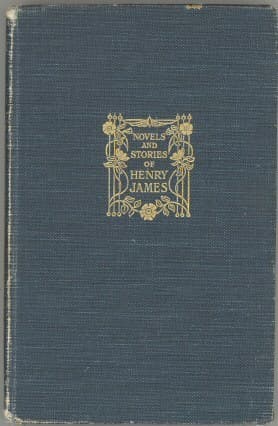
Editions
X-Ray
“He was holding his breath so as not to inhale the odor of democracy.””
— Henry James
“He himself was almost never bored, and there was no man with whom it would have been a greater mistake to suppose that silence meant displeasure.””
— Henry James
“Intelligent, unscrupulous, determined, and capable of seeing a man strangled without changing color.””
— Henry James
“You will think you take generous views of her; but you will never begin to know through what a strange sea of feeling she passed before she accepted you. As she stood there in front of you the other day, she plunged into it. She said 'Why not?' to something which, a few hours earlier, had been inconceivable. She turned about on a thousand gathered prejudices and traditions as on a pivot, and looked where she had never looked hitherto.””
— Henry James
“The truth is that circumstances had done much to cultivate in Mrs. Tristram a marked tendency to irony. Her taste on many points differed from that of her husband, and though she made frequent concessions it must be confessed that her concessions were not always graceful. They were founded upon a vague project she had of some day doing something very positive, something a trifle passionate. What she meant to do she could by no means have told you; but meanwhile, nevertheless, she was buying a good conscience, by installments.””
— Henry James
“He was "distinguished" to the tips of his polished nails, and there was not a movement of his fine perpendicular person that was not noble and majestic. Newman had never yet been confronted with such an incarnation of the art of taking oneself seriously; he felt a sort of impulse to step backward, as you do to get a view of a great facade.””
— Henry James
“Which of my two critics was I to believe? I didn't worry about it and very soon made up my mind they were both idiots.””
— Henry James
“The church was simply the former chapel of the castle, fronting upon its grass-grown court, which, however, was of generous enough width to have given up its quaintest corner to a little graveyard. Here the very headstones themselves seemed to sleep, as they slanted into the grass.””
— Henry James
“One's theories, after all, matter little, it is one's humor that is the great thing.””
— Henry James
Link to this book
Add a free, dofollow link to Lex on your blog, forum, syllabus, or reading list.

<a href="https://lex-books.com/book/the-american-67b1929c-6235-4e63-984e-78110d30dd0a"><img src="https://lex-books.com/badges/read-on-lex.svg" alt="Read The American by Henry James free on Lex" width="160" height="40"></a>[](https://lex-books.com/book/the-american-67b1929c-6235-4e63-984e-78110d30dd0a)[url=https://lex-books.com/book/the-american-67b1929c-6235-4e63-984e-78110d30dd0a][img]https://lex-books.com/badges/read-on-lex.svg[/img][/url]Read The American by Henry James free on Lex: https://lex-books.com/book/the-american-67b1929c-6235-4e63-984e-78110d30dd0aCite this book
Reading this edition for a paper or guide? Copy a citation.
James, Henry. The American. Lex, lex-books.com/book/the-american-67b1929c-6235-4e63-984e-78110d30dd0a.James, H. (n.d.). The American. Lex. https://lex-books.com/book/the-american-67b1929c-6235-4e63-984e-78110d30dd0aJames, Henry. The American. Lex. https://lex-books.com/book/the-american-67b1929c-6235-4e63-984e-78110d30dd0a.