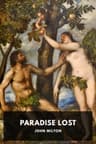
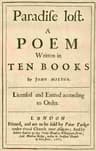
Paradise Lost
1667
Paradise Lost
1667
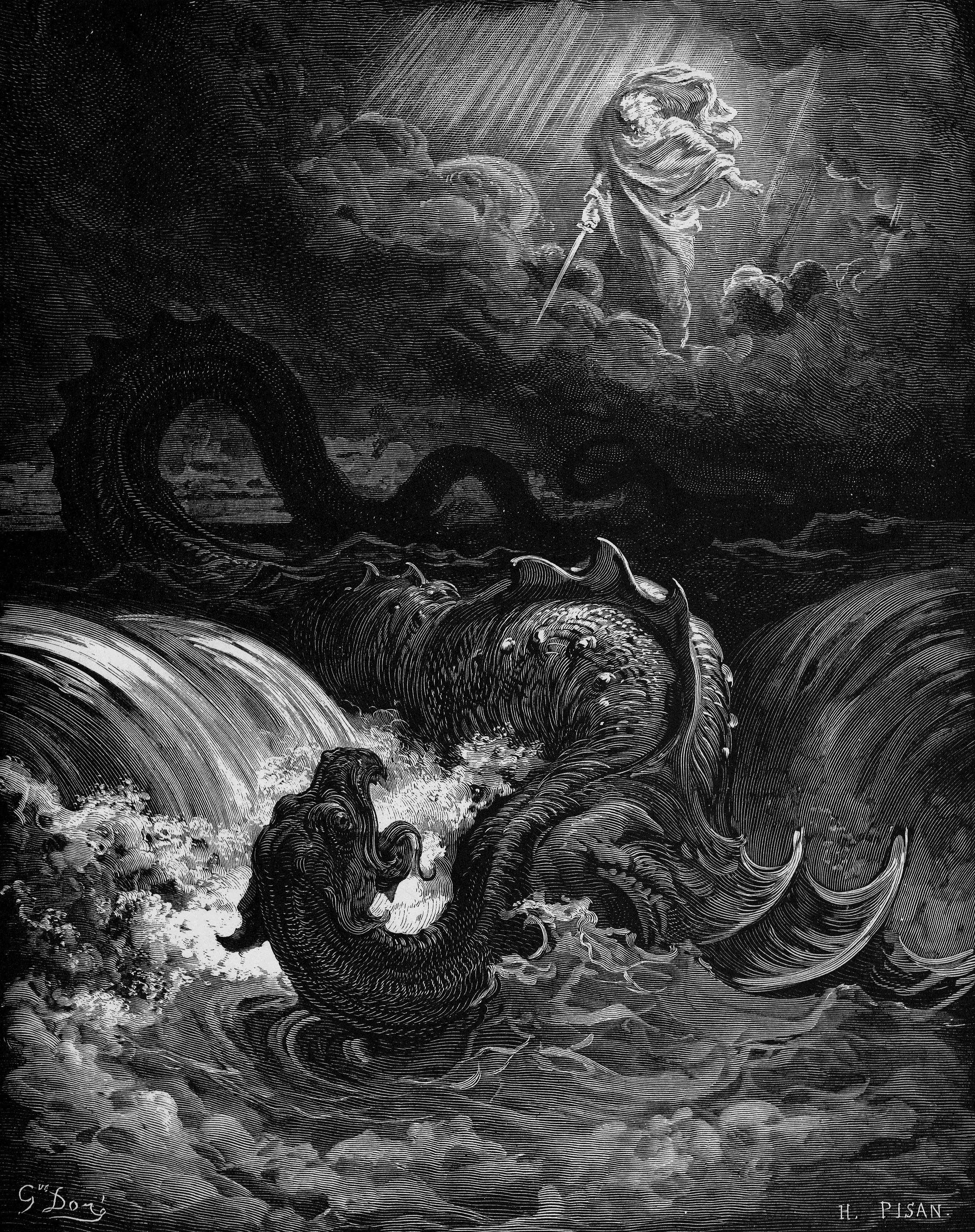
Few works of literature have been as daring as Paradise Lost. Milton, blind and politically embattled, composed an epic that begins not with the creation but with the most terrifying question a writer can ask: what if the devil is the most compelling character in the story? Satan lies in Hell, newly fallen, and through sheer rhetorical power transforms his defeat into a kind of victory. He is vain, brilliant, and consumed by resentment, yet he speaks with a grandeur that makes Heaven itself seem dull by comparison. This is Milton's radical gamble: to make evil so seductive that virtue must work to earn your attention. The poem follows the serpent's temptation of Adam and Eve in the Garden, their disobedience, and their painful expulsion into a world where they must learn to live with knowledge they were never meant to have. But Milton's true subject is free will itself: what it means to choose, what it costs, and whether obedience without choice has any meaning at all. The verse moves with architectural precision and seismic emotional force, veering from the thunderous rhetoric of Hell to the tender intimacy of Eden. Nearly four centuries later, this remains the most profound literary exploration of rebellion, loss, and the terrible beauty of choosing oneself over God.
Editions
X-Ray
“people can die of mere imagination””
— John Milton
“If gold rusts, what then can iron do?””
— John Milton
“No empty handed man can lure a bird””
— John Milton
“Then you compared a woman's love to Hell, To barren land where water will not dwell, And you compared it to a quenchless fire, The more it burns the more is its desire To burn up everything that burnt can be. You say that just as worms destroy a tree A wife destroys her husband and contrives, As husbands know, the ruin of their lives. ””
— John Milton
“Purity in body and heart May please some--as for me, I make no boast. For, as you know, no master of a household Has all of his utensils made of gold; Some are wood, and yet they are of use.””
— John Milton
“Love will not be constrain'd by mastery.When mast'ry comes, the god of love anonBeateth his wings, and, farewell, he is gone.Love is a thing as any spirit free.””
— John Milton
“Youth may outrun the old, but not outwit.””
— John Milton
“And gladly wolde he lerne, and gladly teche.””
— John Milton
“Whan that Aprill with his shoures sooteThe droghte of March hath perced to the roote,And bathed every veyne in switch licourOf which vertu engendred is the flour;Whan Zephirus eek with his sweete breethInspired hath in every holt and heethThe tendre croppes, and the yonge sonneHath in the Ram his half cours yronne,And smale foweles maken melodye,That slepen al the nyght with open ye(So Priketh hem Nature in hir corages),Thanne longen folk to goon on pilgrimages,And palmeres for to seken straunge strondes,To ferne halwes, kowthe in sondry londes;And specially from every shires endeOf Engelond to Caunterbury they wende,The hooly blisful martir for to seke,That hem hath holpen whan that they were seeke””
— John Milton
Link to this book
Add a free, dofollow link to Lex on your blog, forum, syllabus, or reading list.

<a href="https://lex-books.com/book/paradise-lost-d0c79f21-9811-44df-9297-0f510bf6b674"><img src="https://lex-books.com/badges/read-on-lex.svg" alt="Read Paradise Lost by John Milton free on Lex" width="160" height="40"></a>[](https://lex-books.com/book/paradise-lost-d0c79f21-9811-44df-9297-0f510bf6b674)[url=https://lex-books.com/book/paradise-lost-d0c79f21-9811-44df-9297-0f510bf6b674][img]https://lex-books.com/badges/read-on-lex.svg[/img][/url]Read Paradise Lost by John Milton free on Lex: https://lex-books.com/book/paradise-lost-d0c79f21-9811-44df-9297-0f510bf6b674Cite this book
Reading this edition for a paper or guide? Copy a citation.
Milton, John. Paradise Lost. Lex, lex-books.com/book/paradise-lost-d0c79f21-9811-44df-9297-0f510bf6b674.Milton, J. (1667). Paradise Lost. Lex. https://lex-books.com/book/paradise-lost-d0c79f21-9811-44df-9297-0f510bf6b674Milton, John. Paradise Lost. Lex. https://lex-books.com/book/paradise-lost-d0c79f21-9811-44df-9297-0f510bf6b674.