Paradise Lost
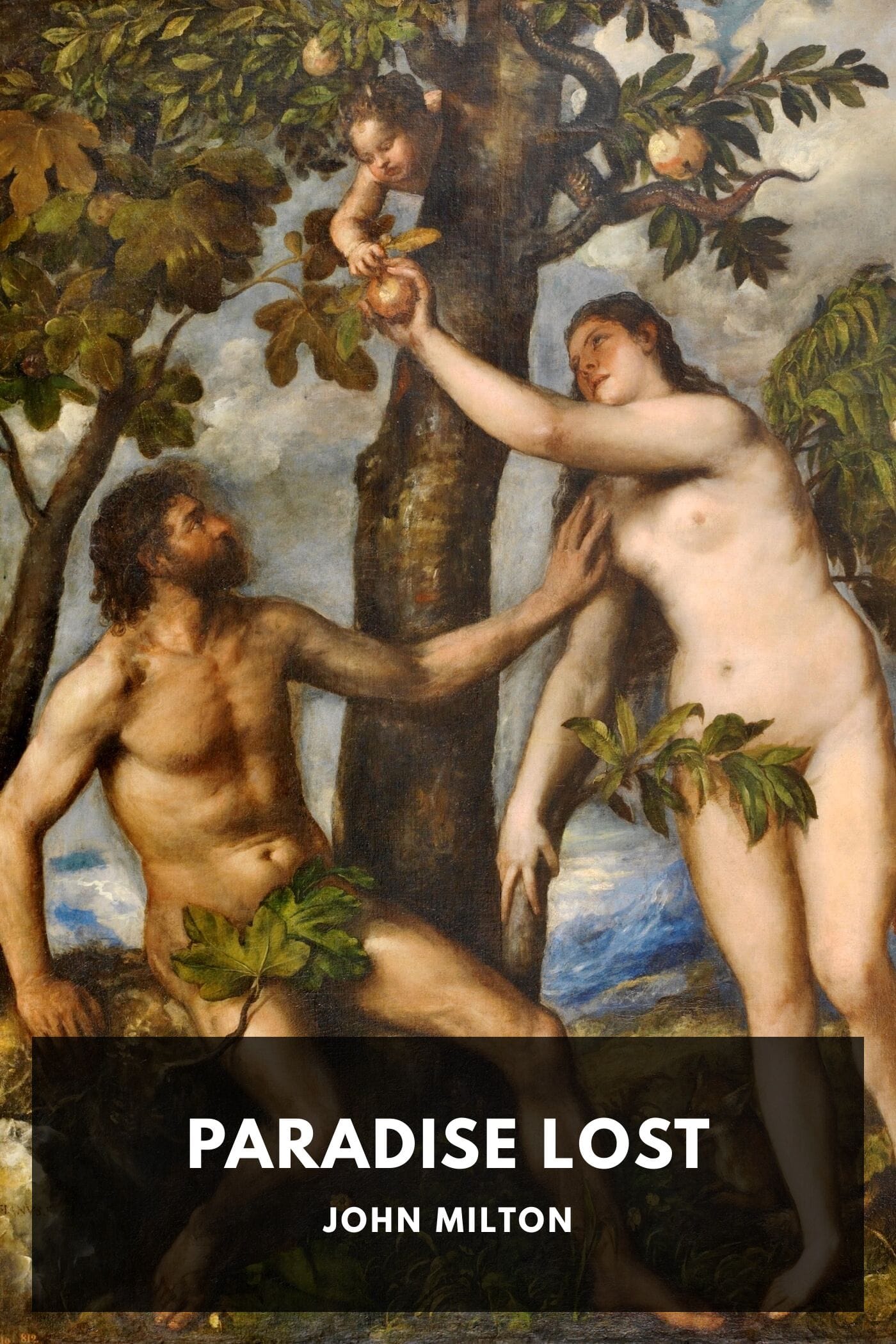
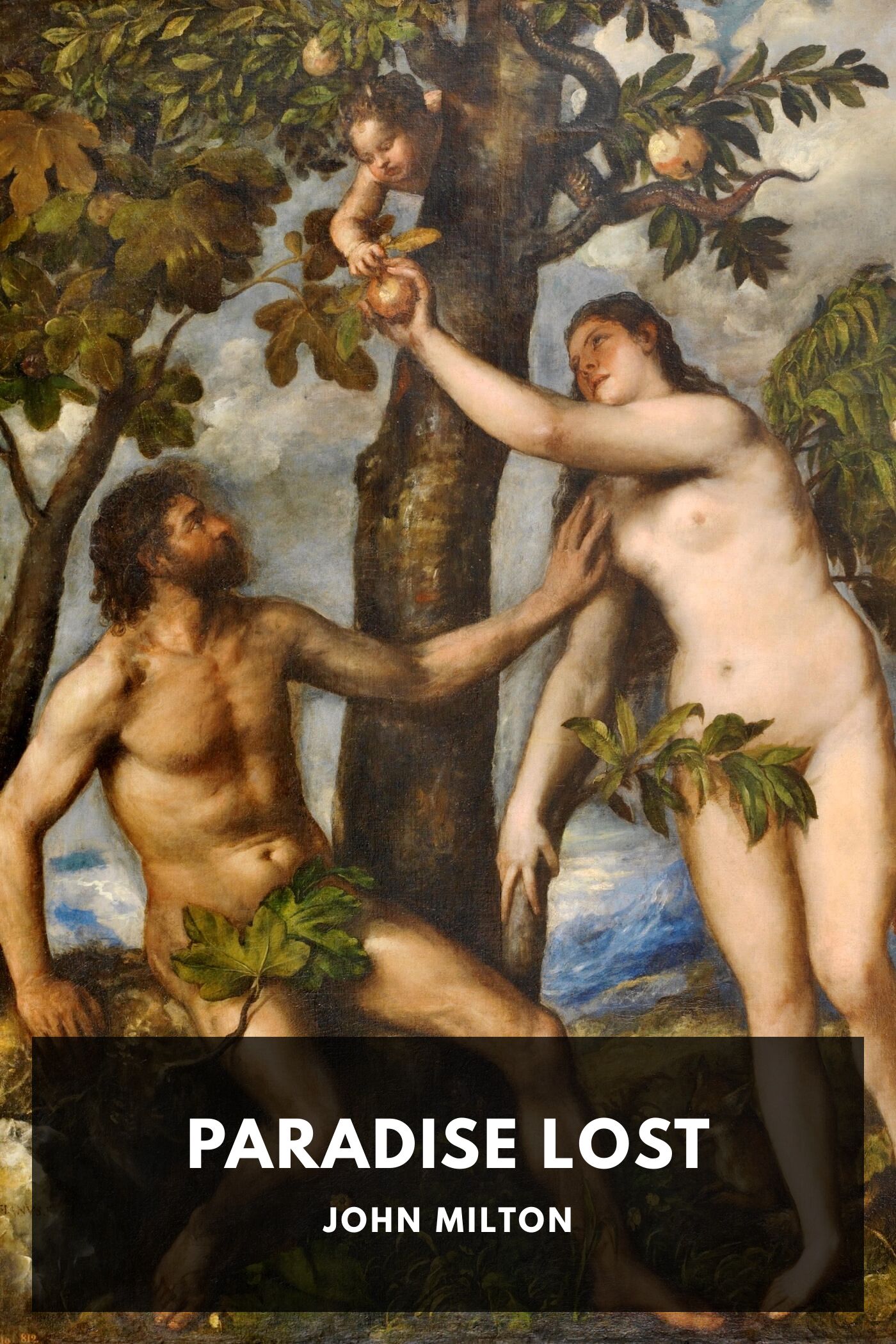
John Milton's monumental epic plunges into the cosmic rebellion, chronicling Satan's audacious revolt against God, his fiery banishment to Hell, and the subsequent, meticulously plotted revenge that leads him to the pristine Garden of Eden. Here, the fallen angel, a figure of compelling charisma and tragic hubris, sets his sights on humanity's nascent innocence, seducing Eve into tasting the forbidden fruit and thereby unleashing sin and death upon the world. Milton reinterprets the foundational biblical narrative of the Fall of Man with breathtaking scope and imaginative detail, painting vivid portraits of divine power, infernal despair, and the perilous freedom of choice.
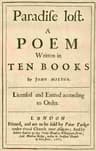
Editions
X-Ray
The fallen archangel who rebels against God and seeks revenge by corrupting mankind. Once Lucifer, he leads a third of Heaven's angels in revolt and becomes the ruler of Hell.
The omnipotent, omniscient creator of the universe who represents divine justice and mercy. He foresees Satan's temptation of mankind and provides for their redemption.
The second person of the Trinity who volunteers to sacrifice himself for mankind's redemption. He leads the loyal angels in battle against Satan and serves as mediator between God and humanity.
The first man, created in God's image to rule over Eden and all creatures. He falls through love for Eve, choosing to share her fate rather than remain obedient to God.
About Paradise Lost
Chapter Summaries
- 1
- Milton invokes the Muse and states his purpose to justify God's ways to men. Satan and his fallen angels recover from their defeat in Heaven and find themselves in Hell, where Satan rallies his forces and they build Pandemonium.
- 2
- The fallen angels debate their next course of action. After various proposals, they decide to corrupt God's new creation, mankind. Satan volunteers for the dangerous journey to Earth and encounters Sin and Death at Hell's gates.
- 3
- God foresees Satan's mission and man's fall, declaring His justice and mercy. The Son offers to sacrifice himself for mankind's redemption. Satan reaches the outer sphere of the universe and deceives Uriel.
Key Themes
- Free Will vs. Predestination
- Milton explores the tension between divine omniscience and human freedom, arguing that true obedience and love require the ability to choose disobedience. Both angels and humans must freely choose their allegiance to God.
- The Nature of Evil
- Evil is presented not as a creation of God but as a corruption of good, arising from pride and the misuse of free will. Satan's fall demonstrates how the highest can become the lowest through rebellion against divine order.
- Divine Justice and Mercy
- God's justice demands punishment for disobedience, but His mercy provides redemption through the Son's sacrifice. The poem explores how these seemingly contradictory attributes work together in divine providence.
Characters
- Satan(antagonist)
- The fallen archangel who rebels against God and seeks revenge by corrupting mankind. Once Lucifer, he leads a third of Heaven's angels in revolt and becomes the ruler of Hell.
- God the Father(protagonist)
- The omnipotent, omniscient creator of the universe who represents divine justice and mercy. He foresees Satan's temptation of mankind and provides for their redemption.
- The Son/Messiah(protagonist)
- The second person of the Trinity who volunteers to sacrifice himself for mankind's redemption. He leads the loyal angels in battle against Satan and serves as mediator between God and humanity.
- Adam(protagonist)
- The first man, created in God's image to rule over Eden and all creatures. He falls through love for Eve, choosing to share her fate rather than remain obedient to God.
- Eve(major)
- The first woman, created from Adam's rib as his perfect companion. She is deceived by Satan in the form of a serpent and becomes the first to eat the forbidden fruit.
- Beelzebub(major)
- Satan's chief lieutenant and closest companion among the fallen angels. He supports Satan's plans and helps counsel the demons in Hell.
Link to this book
Add a free, dofollow link to Lex on your blog, forum, syllabus, or reading list.

<a href="https://lex-books.com/book/paradise-lost-aa1ad684-77f2-4f52-98c2-e4739d3f671e"><img src="https://lex-books.com/badges/read-on-lex.svg" alt="Read Paradise Lost by John Milton free on Lex" width="160" height="40"></a>[](https://lex-books.com/book/paradise-lost-aa1ad684-77f2-4f52-98c2-e4739d3f671e)[url=https://lex-books.com/book/paradise-lost-aa1ad684-77f2-4f52-98c2-e4739d3f671e][img]https://lex-books.com/badges/read-on-lex.svg[/img][/url]Read Paradise Lost by John Milton free on Lex: https://lex-books.com/book/paradise-lost-aa1ad684-77f2-4f52-98c2-e4739d3f671eCite this book
Reading this edition for a paper or guide? Copy a citation.
Milton, John. Paradise Lost. Lex, lex-books.com/book/paradise-lost-aa1ad684-77f2-4f52-98c2-e4739d3f671e.Milton, J. (n.d.). Paradise Lost. Lex. https://lex-books.com/book/paradise-lost-aa1ad684-77f2-4f52-98c2-e4739d3f671eMilton, John. Paradise Lost. Lex. https://lex-books.com/book/paradise-lost-aa1ad684-77f2-4f52-98c2-e4739d3f671e.






![Birds and Nature, Vol. 12 No. 1 [June 1902]illustrated by Color Photography](/_next/image?url=https%3A%2F%2Fd3b2n8gj62qnwr.cloudfront.net%2FCOVERS%2Fgutenberg_covers75k%2Febook-47881.png&w=3840&q=75)