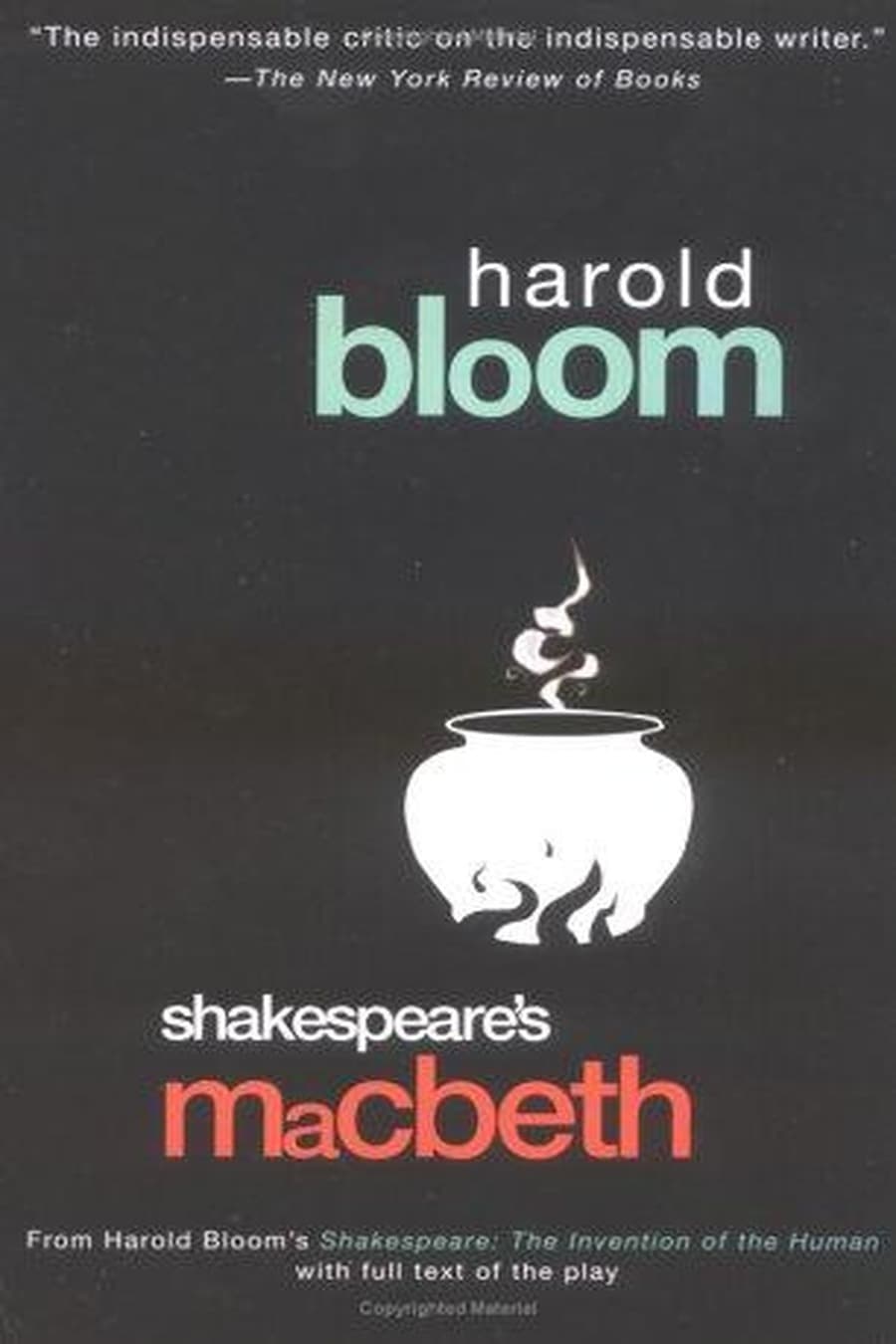
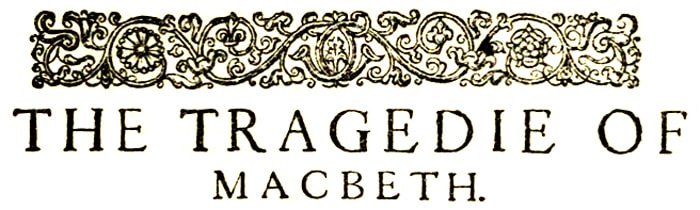
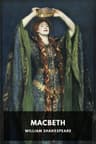
Macbeth
1606
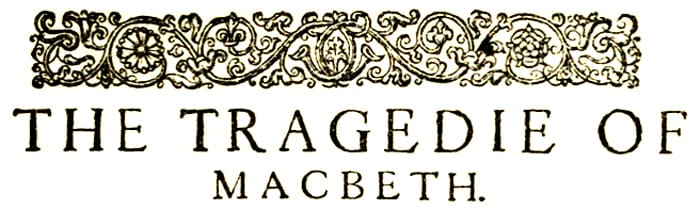
It begins with three witches on a barren heath, and it never stops reeling. Shakespeare wrote this tragedy in 1606, during the paranoid years after the Gunpowder Plot, and the dread never leaves. A brave Scottish general named Macbeth hears a prophecy: he will become King. What follows is one of the most terrifying explorations of ambition unchecked, of how a man can commit horrors not because he is a monster from the start, but because he cannot stop himself from reaching for the crown. Macbeth and his wife choose darkness, and darkness claims them both. What elevates this play beyond cautionary tale is its psychological precision. We watch a noble thane poison himself with guilt, watch his wife crumble under the weight of blood on her hands, watch sanity become another casualty of power. The shortest of Shakespeare's tragedies is also his most brutal: every scene tightens, every line burns, and by the end you understand exactly why actors whisper "the Scottish Play" instead of speaking its name.
Editions

X-Ray
“By the pricking of my thumbs, Something wicked this way comes.””
— William Shakespeare
“To-morrow, and to-morrow, and to-morrow,Creeps in this petty pace from day to day,To the last syllable of recorded time;And all our yesterdays have lighted foolsThe way to dusty death. Out, out, brief candle!Life's but a walking shadow, a poor player,That struts and frets his hour upon the stage,And then is heard no more. It is a taleTold by an idiot, full of sound and fury,Signifying nothing.””
— William Shakespeare
“Stars, hide your fires; Let not light see my black and deep desires.””
— William Shakespeare
“Double, double, toil and trouble;Fire burn, and cauldron bubble!””
— William Shakespeare
“Give sorrow words; the grief that does not speak knits up the o-er wrought heart and bids it break.””
— William Shakespeare
“Look like the innocent flower,But be the serpent under it.””
— William Shakespeare
“What's done cannot be undone.””
— William Shakespeare
“Who could refrain, That had a heart to love, and in that heart Courage to make love known?””
— William Shakespeare
“False face must hide what the false heart doth know.””
— William Shakespeare
Link to this book
Add a free, dofollow link to Lex on your blog, forum, syllabus, or reading list.

<a href="https://lex-books.com/book/macbeth-42a1eed4-56d9-4b98-adc4-c7eecfbadad5"><img src="https://lex-books.com/badges/read-on-lex.svg" alt="Read Macbeth by William Shakespeare free on Lex" width="160" height="40"></a>[](https://lex-books.com/book/macbeth-42a1eed4-56d9-4b98-adc4-c7eecfbadad5)[url=https://lex-books.com/book/macbeth-42a1eed4-56d9-4b98-adc4-c7eecfbadad5][img]https://lex-books.com/badges/read-on-lex.svg[/img][/url]Read Macbeth by William Shakespeare free on Lex: https://lex-books.com/book/macbeth-42a1eed4-56d9-4b98-adc4-c7eecfbadad5Cite this book
Reading this edition for a paper or guide? Copy a citation.
Shakespeare, William. Macbeth. Lex, lex-books.com/book/macbeth-42a1eed4-56d9-4b98-adc4-c7eecfbadad5.Shakespeare, W. (1606). Macbeth. Lex. https://lex-books.com/book/macbeth-42a1eed4-56d9-4b98-adc4-c7eecfbadad5Shakespeare, William. Macbeth. Lex. https://lex-books.com/book/macbeth-42a1eed4-56d9-4b98-adc4-c7eecfbadad5.