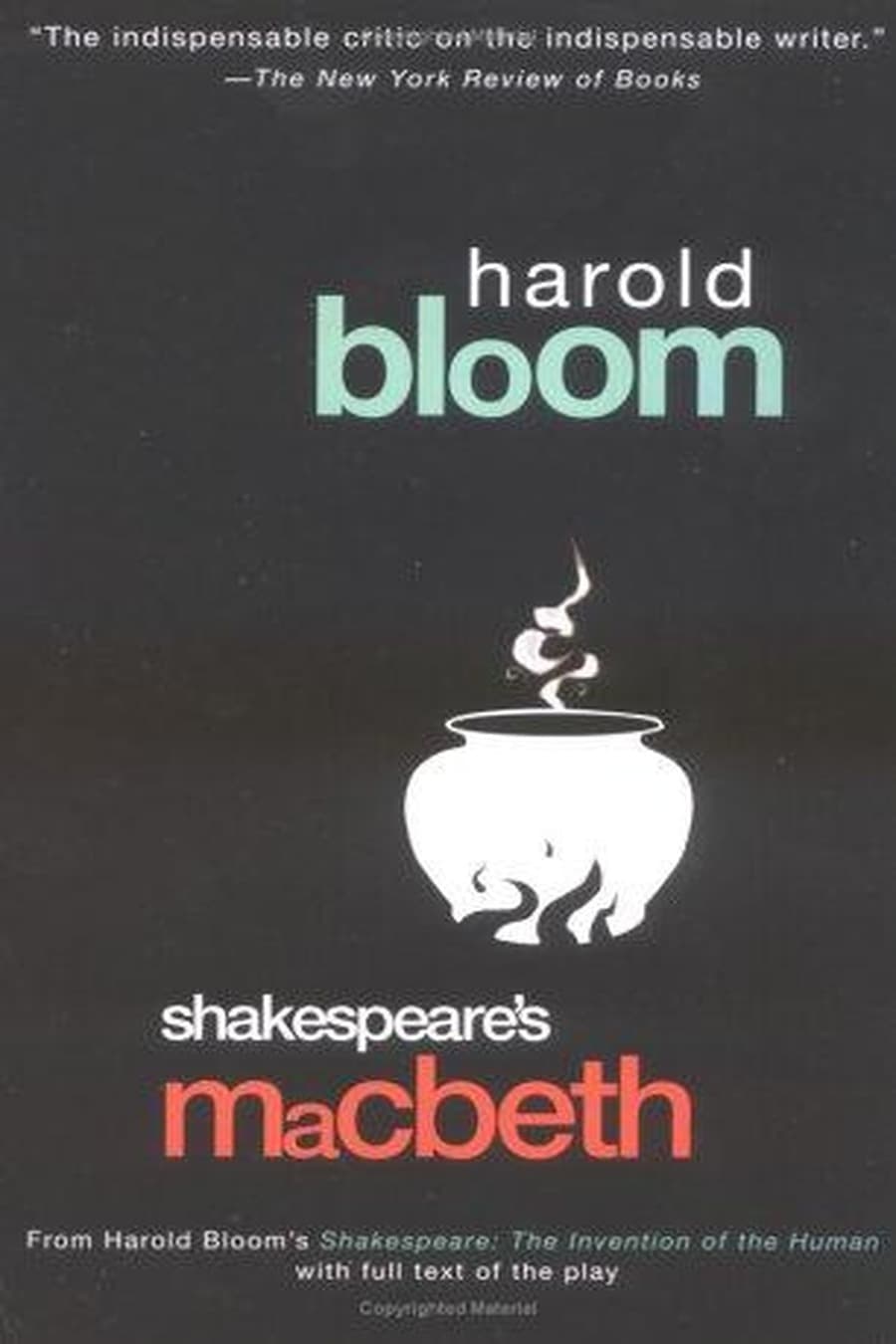
Macbeth
1606
Macbeth
1606
Translated by Christoph Martin Wieland
Macbeth is a compact nightmare. When three witches prophesy that Scottish general Macbeth will become king, he does not merely desire the throne, he becomes its prisoner, committing regicide and descending into a vortex of guilt, paranoia, and escalating bloodshed to protect his ill-gotten power. Lady Macbeth, his ruthless co-conspirator, proves equally compelling: she seizes the crown through her husband but cannot wear it, destroyed by the conscience she so ruthlessly suppressed. The supernatural elements, the witches' cryptic prophecies, the phantom dagger guiding him toward murder, the blood that will not wash clean, lend the psychological horror a metaphysical dimension. Yet the play's true terror lies in its intimate portrait of two people trapped in a crime they cannot undo, cannot escape, and cannot ultimately survive. It endures because it understands something true about ambition: how easily the desire for power becomes the thing that destroys you.
Editions

X-Ray
“By the pricking of my thumbs, Something wicked this way comes.””
— William Shakespeare
“To-morrow, and to-morrow, and to-morrow,Creeps in this petty pace from day to day,To the last syllable of recorded time;And all our yesterdays have lighted foolsThe way to dusty death. Out, out, brief candle!Life's but a walking shadow, a poor player,That struts and frets his hour upon the stage,And then is heard no more. It is a taleTold by an idiot, full of sound and fury,Signifying nothing.””
— William Shakespeare
“Stars, hide your fires; Let not light see my black and deep desires.””
— William Shakespeare
“Double, double, toil and trouble;Fire burn, and cauldron bubble!””
— William Shakespeare
“Give sorrow words; the grief that does not speak knits up the o-er wrought heart and bids it break.””
— William Shakespeare
“Look like the innocent flower,But be the serpent under it.””
— William Shakespeare
“What's done cannot be undone.””
— William Shakespeare
“Who could refrain, That had a heart to love, and in that heart Courage to make love known?””
— William Shakespeare
“False face must hide what the false heart doth know.””
— William Shakespeare
Link to this book
Add a free, dofollow link to Lex on your blog, forum, syllabus, or reading list.

<a href="https://lex-books.com/book/macbeth-21d03a78-f784-4236-8d6a-8cb3b6600cc4"><img src="https://lex-books.com/badges/read-on-lex.svg" alt="Read Macbeth by William Shakespeare free on Lex" width="160" height="40"></a>[](https://lex-books.com/book/macbeth-21d03a78-f784-4236-8d6a-8cb3b6600cc4)[url=https://lex-books.com/book/macbeth-21d03a78-f784-4236-8d6a-8cb3b6600cc4][img]https://lex-books.com/badges/read-on-lex.svg[/img][/url]Read Macbeth by William Shakespeare free on Lex: https://lex-books.com/book/macbeth-21d03a78-f784-4236-8d6a-8cb3b6600cc4Cite this book
Reading this edition for a paper or guide? Copy a citation.
Shakespeare, William. Macbeth. Lex, lex-books.com/book/macbeth-21d03a78-f784-4236-8d6a-8cb3b6600cc4.Shakespeare, W. (1606). Macbeth. Lex. https://lex-books.com/book/macbeth-21d03a78-f784-4236-8d6a-8cb3b6600cc4Shakespeare, William. Macbeth. Lex. https://lex-books.com/book/macbeth-21d03a78-f784-4236-8d6a-8cb3b6600cc4.