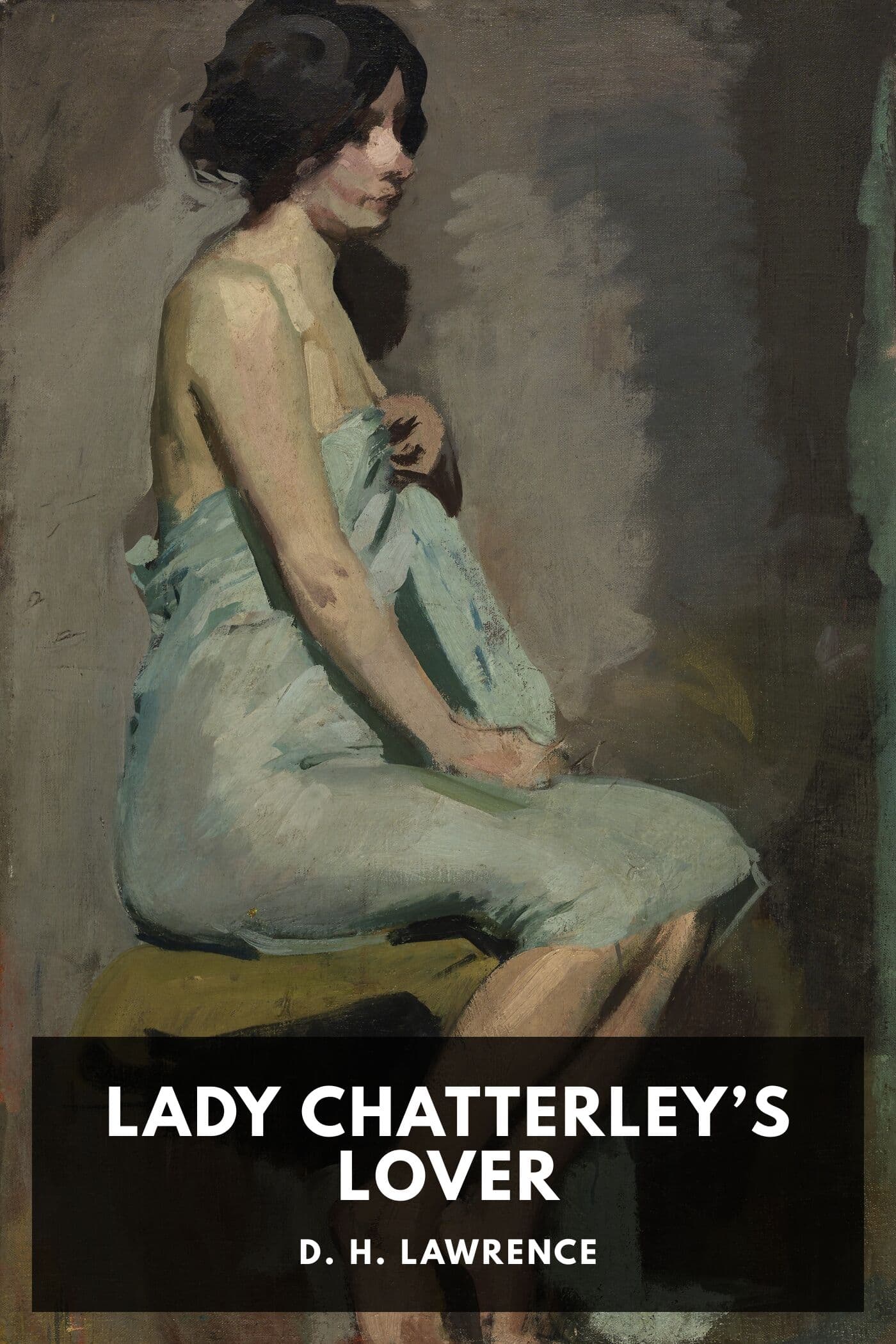
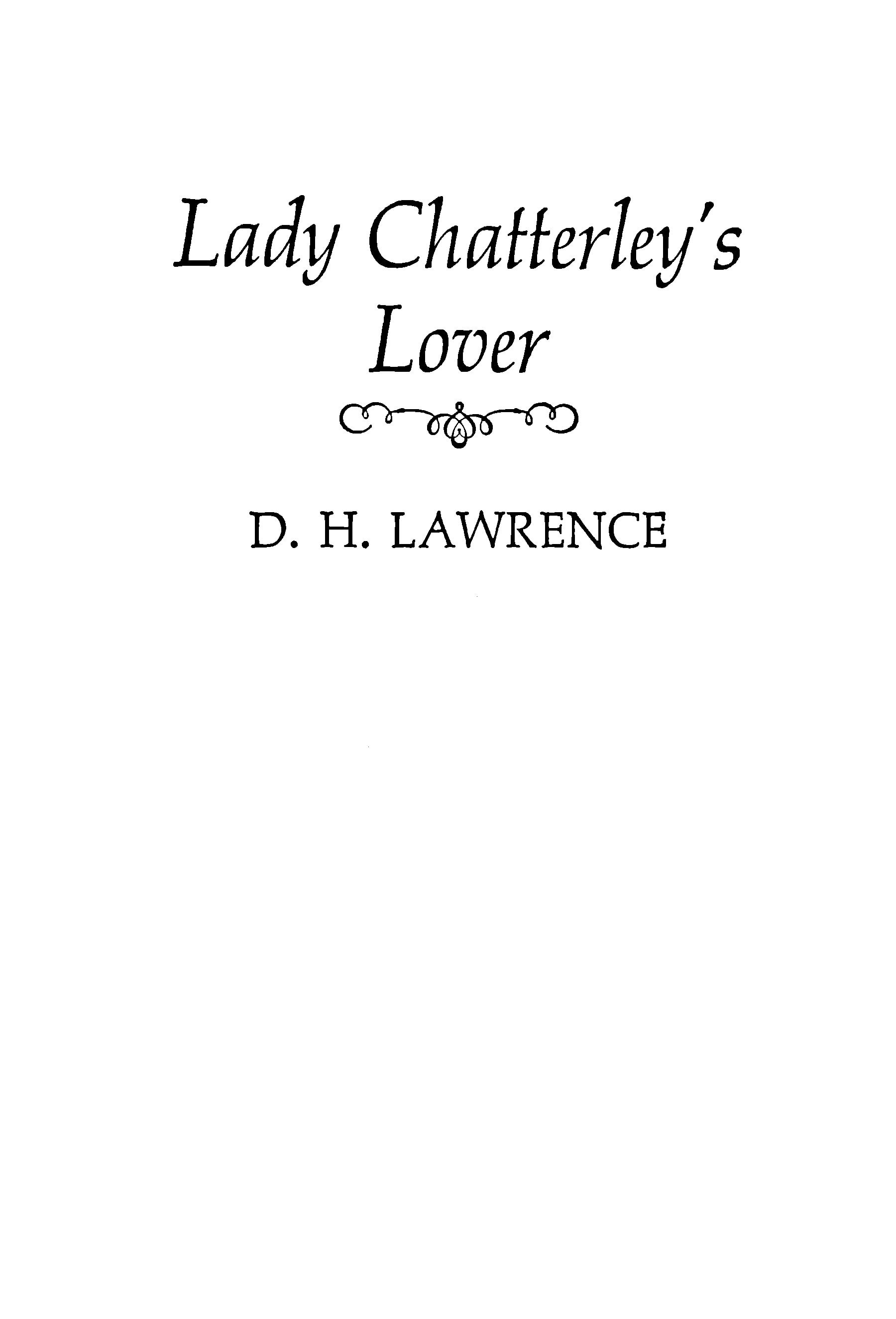
Lady Chatterley's Lover
1928
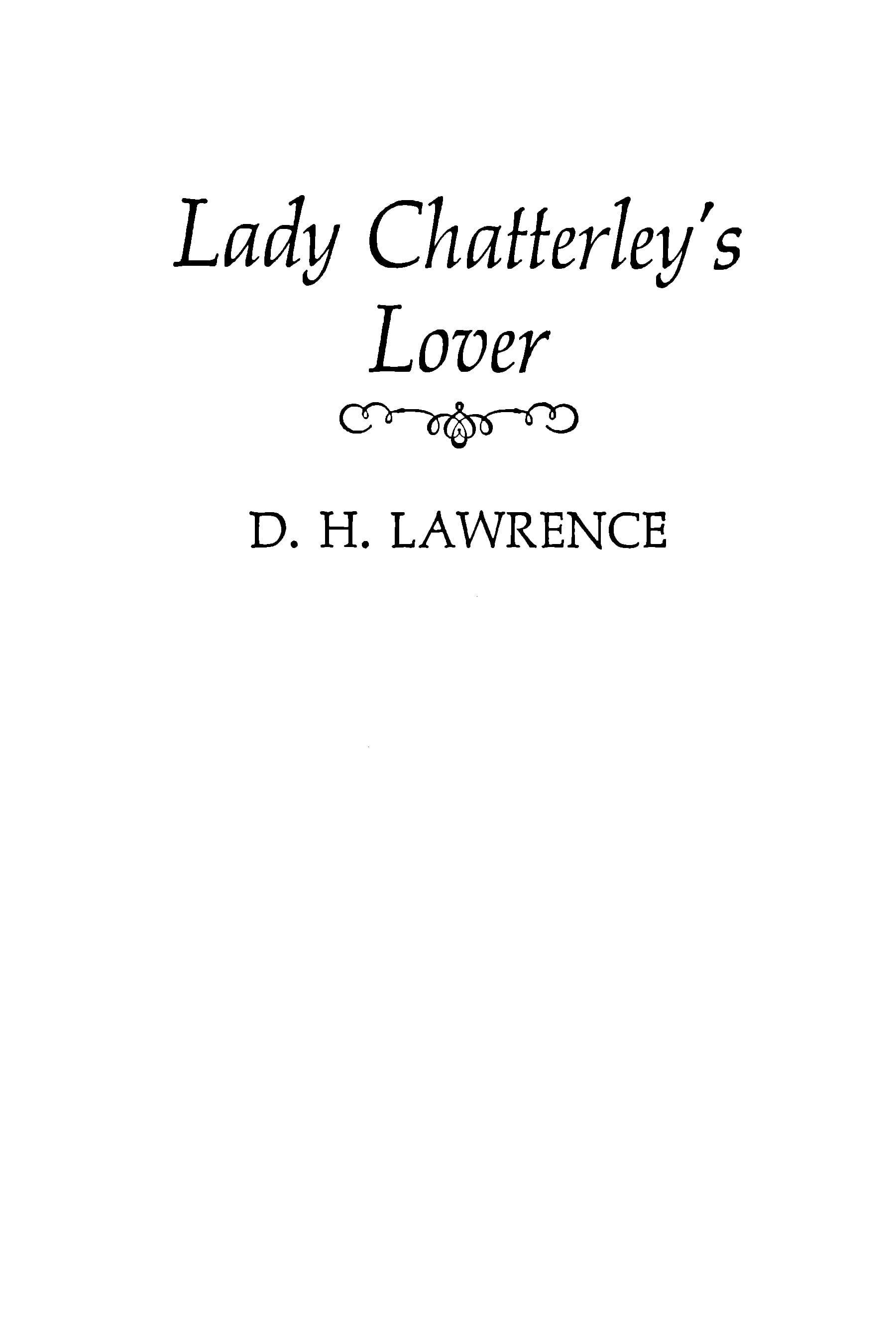
The most notorious novel of the twentieth century was written by a man who believed passion could redeem a civilization rotting from spiritual death. When Constance Chatterley retreats to her husband's crumbling estate after the Great War, she finds herself trapped by paralysis - his and her own. Sir Clifford lives comfortably in his wheelchair, managing his coal mines and his writing, while Connie withers in the sterile atmosphere of Wragby Hall, haunted by the ghost of what real life might feel like. Then she meets the gamekeeper, a man whose rough hands and rough honesty crack open something in her that society had taught her to deny. Their affair - raw, explicit, doomed - became the flashpoint for a culture war that lasted thirty years. Penguin Books put the novel on trial in 1960 and won, and suddenly the English-speaking world was forced to confront what Lawrence had always known: that desire is not obscene, that the body has its own nobility, that class and commerce had strangled something essential in modern life. This is a novel about two people finding each other across an unbridgeable divide, and about what it costs to refuse the half-life society offers instead.
Editions
X-Ray
“A woman has to live her life, or live to repent not having lived it.””
— D. H. Lawrence
“We've got to live, no matter how many skies have fallen.””
— D. H. Lawrence
“Perhaps only people who are capable of real togetherness have that look of being alone in the universe. The others have a certain stickiness, they stick to the mass.””
— D. H. Lawrence
“It's no good trying to get rid of your own aloneness. You've got to stick to it all your life. Only at times, at times, the gap will be filled in. At times! But you have to wait for the times. Accept your own aloneness and stick to it, all your life. And then accept the times when the gap is filled in, when they come. But they've got to come. You can't force them.””
— D. H. Lawrence
“Ours is essentially a tragic age, so we refuse to take it tragically. The cataclysm has happened, we are among the ruins, we start to build up new little habitats, to have new little hopes. It is rather hard work: there is now no smooth road into the future: but we go round, or scramble over the obstacles. We’ve got to live, no matter how many skies have fallen.””
— D. H. Lawrence
“She was always waiting, it seemed to be her forte.””
— D. H. Lawrence
“We fucked a flame into being.””
— D. H. Lawrence
“But that is how men are! Ungrateful and never satisfied. When you don't have them they hate you because you won't; and when you do have them they hate you again, for some other reason. Or for no reason at all, except that they are discontented children, and can't be satisfied whatever they get, let a woman do what she may.””
— D. H. Lawrence
“There's lots of good fish in the sea...maybe...but the vast masses seem to be mackerel or herring, and if you're not mackerel or herring yourself, you are likely to find very few good fish in the sea.””
— D. H. Lawrence
Link to this book
Add a free, dofollow link to Lex on your blog, forum, syllabus, or reading list.

<a href="https://lex-books.com/book/lady-chatterley-s-lover-49b4a968-e4bc-4bd4-bfae-7f1e8b828702"><img src="https://lex-books.com/badges/read-on-lex.svg" alt="Read Lady Chatterley's Lover by D. H. Lawrence free on Lex" width="160" height="40"></a>[](https://lex-books.com/book/lady-chatterley-s-lover-49b4a968-e4bc-4bd4-bfae-7f1e8b828702)[url=https://lex-books.com/book/lady-chatterley-s-lover-49b4a968-e4bc-4bd4-bfae-7f1e8b828702][img]https://lex-books.com/badges/read-on-lex.svg[/img][/url]Read Lady Chatterley's Lover by D. H. Lawrence free on Lex: https://lex-books.com/book/lady-chatterley-s-lover-49b4a968-e4bc-4bd4-bfae-7f1e8b828702Cite this book
Reading this edition for a paper or guide? Copy a citation.
Lawrence, D. H.. Lady Chatterley's Lover. Lex, lex-books.com/book/lady-chatterley-s-lover-49b4a968-e4bc-4bd4-bfae-7f1e8b828702.Lawrence, D. H. (1928). Lady Chatterley's Lover. Lex. https://lex-books.com/book/lady-chatterley-s-lover-49b4a968-e4bc-4bd4-bfae-7f1e8b828702Lawrence, D. H.. Lady Chatterley's Lover. Lex. https://lex-books.com/book/lady-chatterley-s-lover-49b4a968-e4bc-4bd4-bfae-7f1e8b828702.