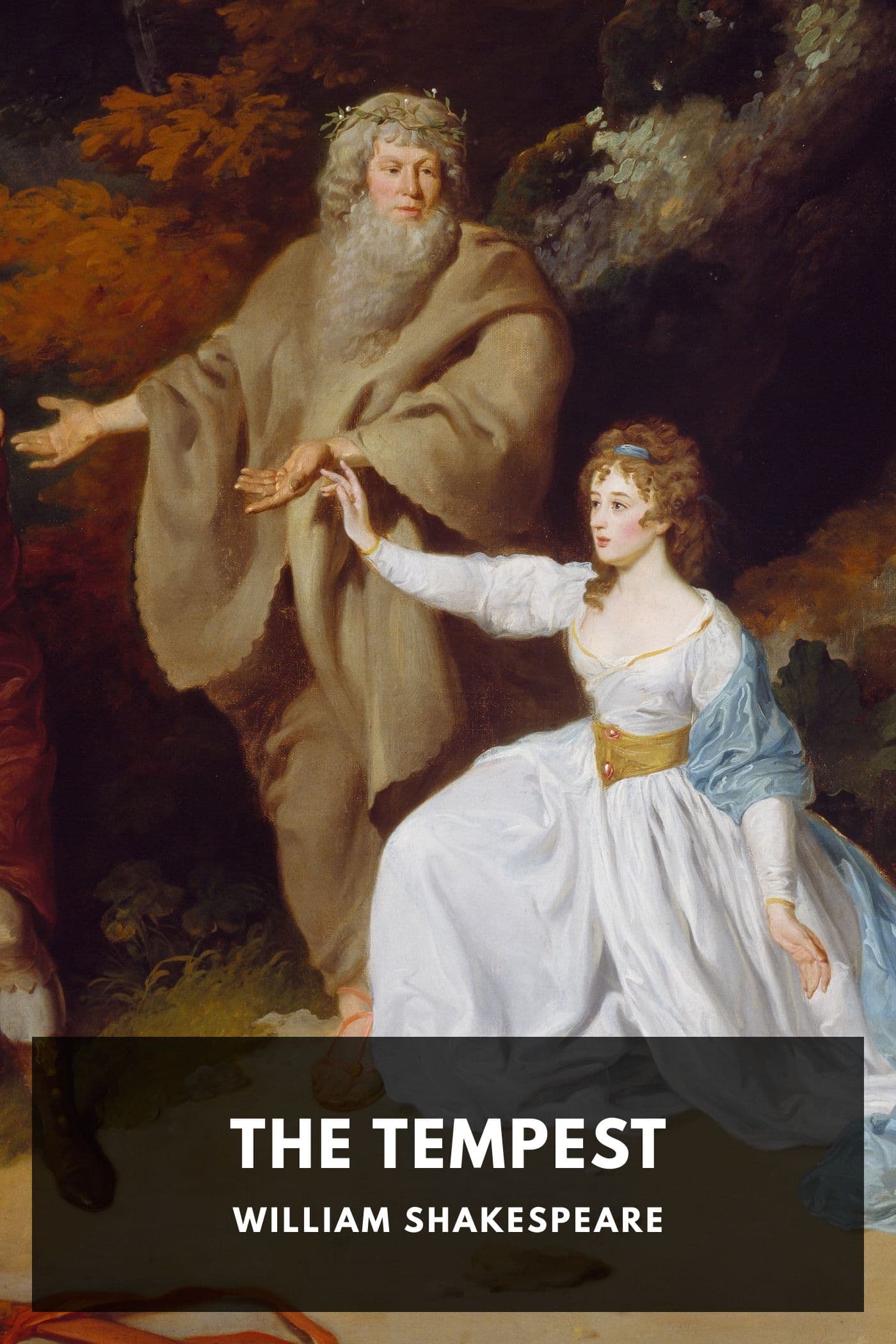
Kuningas Richard Toinen
Kuningas Richard Toinen
Translated by Paavo Emil Cajander
A historical play written in the late 16th century. This drama delves into the intricacies of power, betrayal, and the consequences of political actions as seen through the tumultuous reign of King Richard II. The main character, King Richard, is depicted as a monarch whose decisions and relationships shape the fate of the realm and its noble houses, particularly as he faces opposition from figures such as Henry Bolingbroke. The opening of the play introduces a charged atmosphere in the royal court, where King Richard's authority is under threat due to tensions between the nobles. The scene sets up a confrontation between Bolingbroke and Norfolk as they accuse each other of treachery, leading to a request for a duel to resolve their grievances. Richard attempts to mediate but ultimately decides to allow the duel, highlighting the struggle for power and the growing dissent within his kingdom. The dialogues reveal complexities in character motivations and foreshadow the chaos that ensues as factions begin to align against the king. The stage is set for a gripping exploration of loyalty, justice, and the fragile nature of kingship.
Editions
X-Ray
“Dispute not with her: she is lunatic.””
— William Shakespeare
“So wise so young, they say, do never live long.””
— William Shakespeare
“And thus I clothe my naked villainyWith odd old ends stol'n out of holy writ;And seem a saint, when most I play the devil.””
— William Shakespeare
“Out of my sight! Thou dost infect mine eyes.””
— William Shakespeare
“And therefore,”
— William Shakespeare
“Now is the winter of our discontentMade glorious summer by this sun of York;And all the clouds that lour'd upon our houseIn the deep bosom of the ocean buried.””
— William Shakespeare
“What do I fear? Myself? There’s none else by.Richard loves Richard; that is, I and I.Is there a murderer here? No. Yes, I am.Then fly! What, from myself? Great reason why:Lest I revenge. What, myself upon myself?Alack, I love myself. Wherefore? For any goodThat I myself have done unto myself?O, no! Alas, I rather hate myselfFor hateful deeds committed by myself.I am a villain. Yet I lie. I am not.Fool, of thyself speak well. Fool, do not flatter:My conscience hath a thousand several tongues,And every tongue brings in a several tale,And every tale condemns me for a villain.Perjury, perjury, in the highest degree;Murder, stern murder, in the direst degree;All several sins, all used in each degree,Throng to the bar, crying all, “Guilty! guilty!”I shall despair. There is no creature loves me,And if I die no soul will pity me.And wherefore should they, since that I myselfFind in myself no pity to myself?””
— William Shakespeare
“I have set my life upon a cast,And I will stand the hazard of the die.””
— William Shakespeare
“Conscience is but a word that cowards use,Devis'd at first to keep the strong in awe:Our strong arms be our conscience, swords our law.March on, join bravely, let us to't pell-mell;If not to heaven, then hand in hand to hell.””
— William Shakespeare
Link to this book
Add a free, dofollow link to Lex on your blog, forum, syllabus, or reading list.

<a href="https://lex-books.com/book/kuningas-richard-toinen-bb509586-a35c-48c2-ab0a-7466b9cd5a25"><img src="https://lex-books.com/badges/read-on-lex.svg" alt="Read Kuningas Richard Toinen by William Shakespeare free on Lex" width="160" height="40"></a>[](https://lex-books.com/book/kuningas-richard-toinen-bb509586-a35c-48c2-ab0a-7466b9cd5a25)[url=https://lex-books.com/book/kuningas-richard-toinen-bb509586-a35c-48c2-ab0a-7466b9cd5a25][img]https://lex-books.com/badges/read-on-lex.svg[/img][/url]Read Kuningas Richard Toinen by William Shakespeare free on Lex: https://lex-books.com/book/kuningas-richard-toinen-bb509586-a35c-48c2-ab0a-7466b9cd5a25Cite this book
Reading this edition for a paper or guide? Copy a citation.
Shakespeare, William. Kuningas Richard Toinen. Lex, lex-books.com/book/kuningas-richard-toinen-bb509586-a35c-48c2-ab0a-7466b9cd5a25.Shakespeare, W. (n.d.). Kuningas Richard Toinen. Lex. https://lex-books.com/book/kuningas-richard-toinen-bb509586-a35c-48c2-ab0a-7466b9cd5a25Shakespeare, William. Kuningas Richard Toinen. Lex. https://lex-books.com/book/kuningas-richard-toinen-bb509586-a35c-48c2-ab0a-7466b9cd5a25.