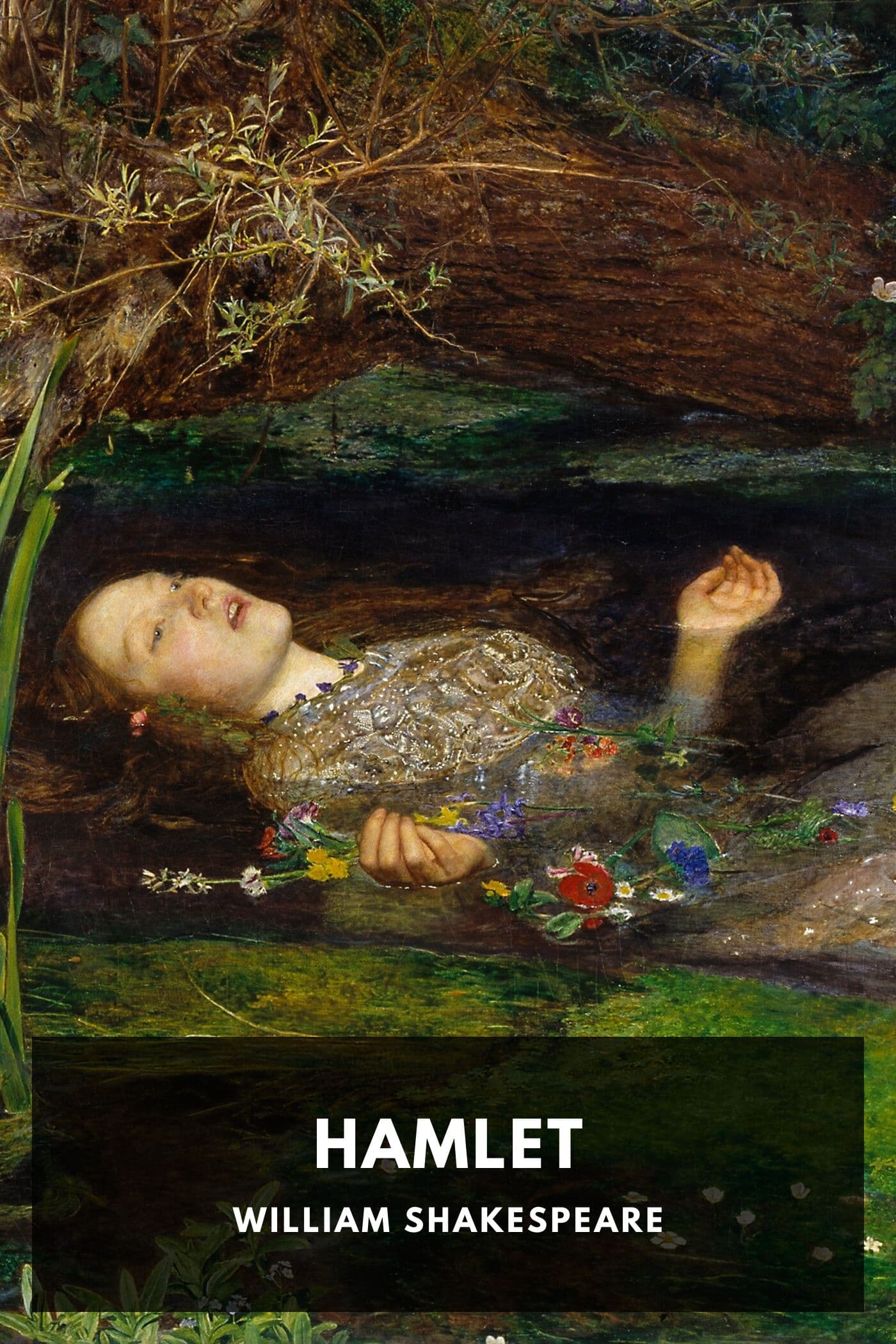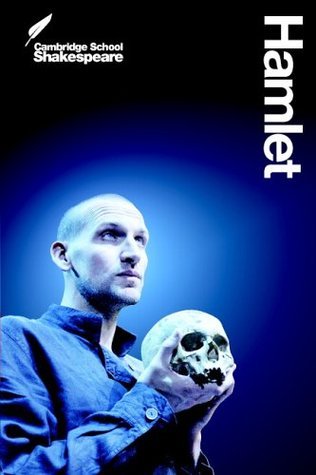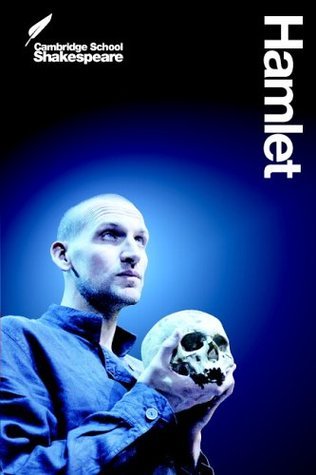
Hamlet is not simply a revenge tragedy. It is a meditation on the paralysis of thought, the distance between intention and action, and the unbearable weight of knowing too much. When the ghost of King Hamlet appears on the battlements of Elsinore to reveal he was murdered by his own brother Claudius, who has since seized the throne and married Hamlet's mother, the young prince is thrust into an impossible situation. He must act, but to act requires certainty, and certainty is precisely what eludes him. Feigning madness, Hamlet observes the court with piercing intelligence, staging a play within the play to trap his uncle's conscience, all while wrestling with questions of death, justice, and the reliability of what we perceive. The result is a tragedy that moves not toward catharsis but toward annihilating clarity. Five centuries later, it remains vital because it captures something universal: the terror of being caught between thought and action, between the world as it appears and as we suspect it might truly be.