Ecce Homo
Ecce Homo
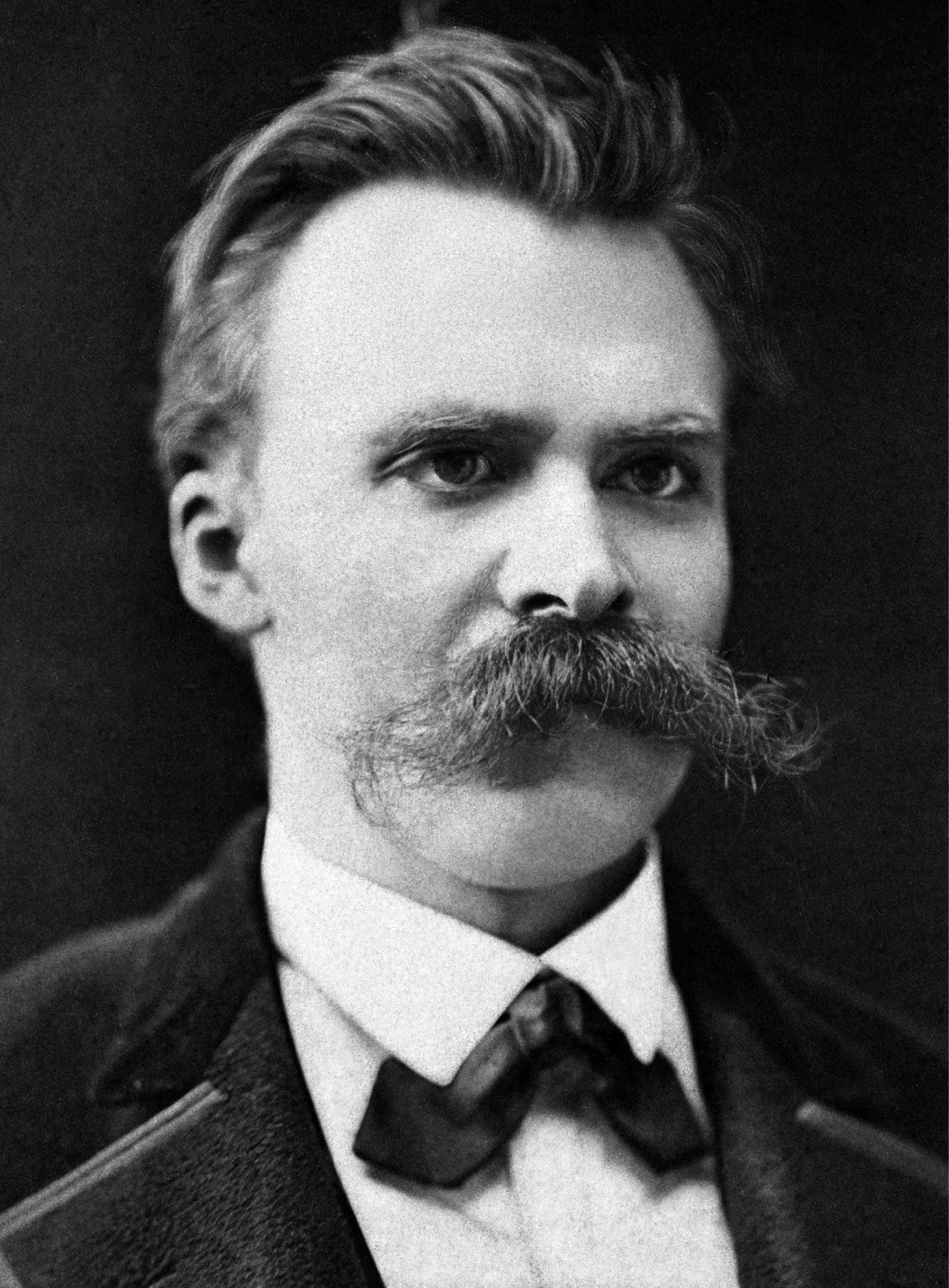
In 1888, as his mind teetered on the edge of collapse, Friedrich Nietzsche composed the most unapologetic self-portrait in Western literature. Ecce Homo, "Behold the Man," the words spoken by Pilate when presenting the scourged Christ to the crowd, is neither confession nor conventional memoir. It is a coronation. Nietzsche inventories his own genius with章节 titles like "Why I am so Wise" and "Why I Write Such Excellent Books," delivering a work that oscillates between genuine philosophical self-assessment and theatrical provocation. Yet read carefully, the book reveals a profound awareness of its own audaciousness: Nietzsche knew exactly how this would sound, and he wrote it anyway, perhaps because he knew it was the last chance to shape his legacy on his own terms. Coming after The Twilight of the Idols and The Antichrist, it stands as the capping stone of his productive life, a thinker taking inventory of his own achievement before the silence descended. For readers willing to sit with its discomfort, Ecce Homo offers something rare: unfiltered access to one of history's most influential minds assessing its own place in the chain of philosophy.
X-Ray