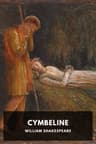
Cymbeline
Cymbeline, written by William Shakespeare around 1611, is a play set in Ancient Britain that intertwines elements of romance and tragedy. The story revolves around Imogen, the daughter of King Cymbeline, who secretly marries Posthumus Leonatus, leading to familial discord and political intrigue. The play explores themes of love, betrayal, and loyalty amidst the backdrop of royal politics and personal conflict. Although classified as a tragedy, it is often regarded as a tragicomedy due to its complex narrative and character dynamics.
Editions
X-Ray
“Fear no more the heat o' the sun,Nor the furious winter's rages;Thou thy worldly task hast done,Home art gone, and ta'en thy wages;Golden lads and girls all must,As chimney-sweepers, come to dust.Fear no more the frown o' the great;Thou art past the tyrant's stroke:Care no more to clothe and eat;To thee the reed is as the oak:The sceptre, learning, physic, mustAll follow this, and come to dust.Fear no more the lightning-flash,Nor the all-dreaded thunder-stone;Fear not slander, censure rash;Thou hast finished joy and moan;All lovers young, all lovers mustConsign to thee, and come to dust. No exorciser harm thee! Nor no witchcraft charm thee! Ghost unlaid forbear thee! Nothing ill come near thee! Quiet consummation have; And renownéd be thy grave!””
— William Shakespeare
“Hang there like a fruit, my soul, Till the tree die!””
— William Shakespeare
“Golden lads and girls all must as chimney sweepers come to dust.””
— William Shakespeare
“Kneel not to me.The pow'r that I have on you is to spare you;The malice towards you to forgive you. Live,And deal with others better.””
— William Shakespeare
“I am glad I was up so late, for that's the reason I was up so early.””
— William Shakespeare
“The pow'r I have on you is to spare you / The malice towards you, to forgive you. Posthumus””
— William Shakespeare
“Fortune brings in some boats that are not steered.””
— William Shakespeare
“our cageWe make a quire, as doth the prison'd bird,And sing our bondage freely.””
— William Shakespeare
“Pardon's the word to all.””
— William Shakespeare
Link to this book
Add a free, dofollow link to Lex on your blog, forum, syllabus, or reading list.

<a href="https://lex-books.com/book/cymbeline-766ebc01-bed2-47ee-8aa9-d719d8a85c73"><img src="https://lex-books.com/badges/read-on-lex.svg" alt="Read Cymbeline by William Shakespeare free on Lex" width="160" height="40"></a>[](https://lex-books.com/book/cymbeline-766ebc01-bed2-47ee-8aa9-d719d8a85c73)[url=https://lex-books.com/book/cymbeline-766ebc01-bed2-47ee-8aa9-d719d8a85c73][img]https://lex-books.com/badges/read-on-lex.svg[/img][/url]Read Cymbeline by William Shakespeare free on Lex: https://lex-books.com/book/cymbeline-766ebc01-bed2-47ee-8aa9-d719d8a85c73Cite this book
Reading this edition for a paper or guide? Copy a citation.
Shakespeare, William. Cymbeline. Lex, lex-books.com/book/cymbeline-766ebc01-bed2-47ee-8aa9-d719d8a85c73.Shakespeare, W. (n.d.). Cymbeline. Lex. https://lex-books.com/book/cymbeline-766ebc01-bed2-47ee-8aa9-d719d8a85c73Shakespeare, William. Cymbeline. Lex. https://lex-books.com/book/cymbeline-766ebc01-bed2-47ee-8aa9-d719d8a85c73.