Cicero's Tusculan Disputations: Also, Treatises on the Nature of the Gods, and on the Commonwealth
1927
Cicero's Tusculan Disputations: Also, Treatises on the Nature of the Gods, and on the Commonwealth
1927
Translated by Charles Duke Yonge
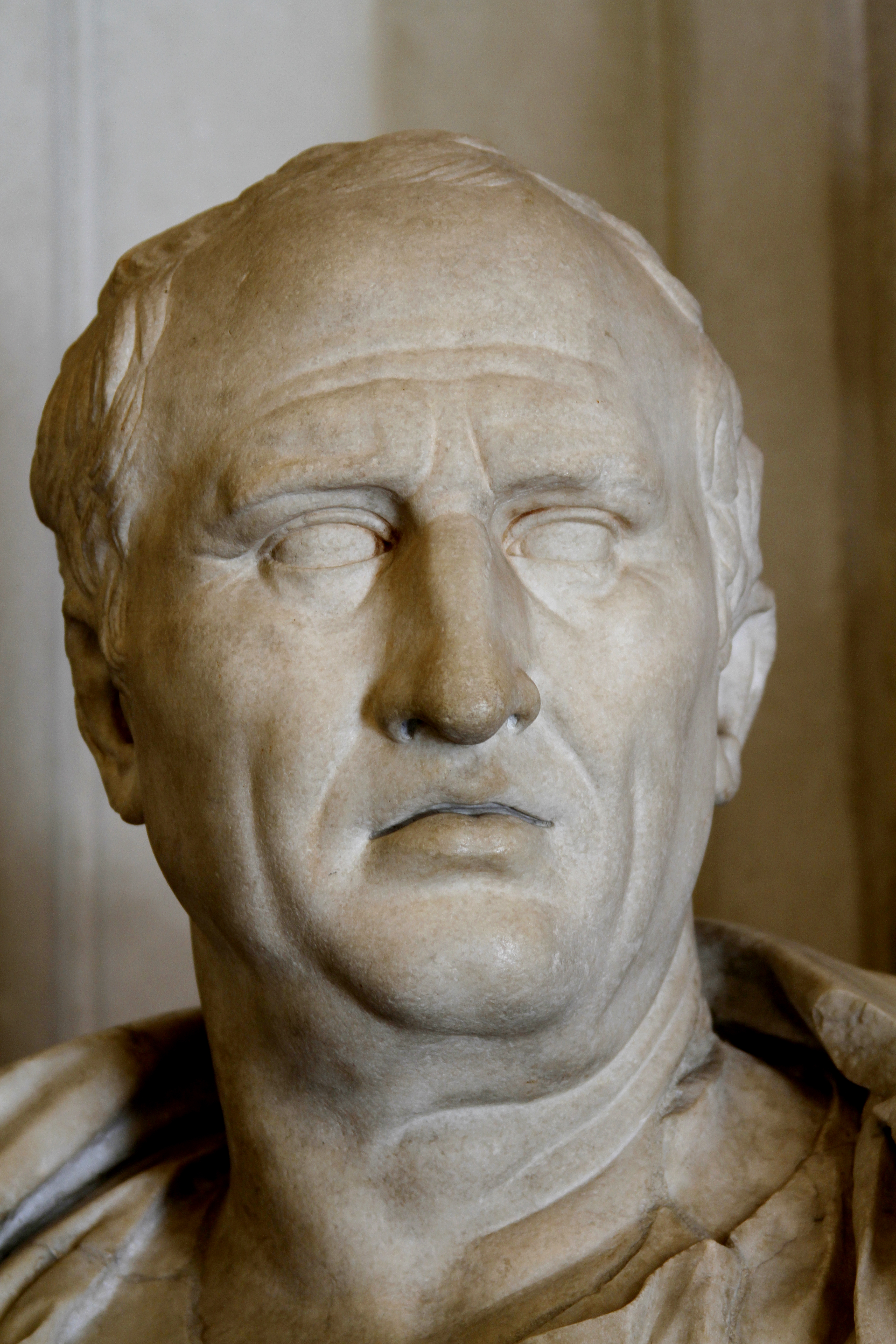
Cicero composed these dialogues in the depths of grief, following the death of his beloved daughter Tullia. Rather than surrendering to despair, he turned to philosophy as medicine for the soul, producing a work that grapples with humanity's most primal fears: mortality, suffering, and what it means to live well. The Tusculan Disputations unfolds as a series of conversations where Cicero, speaking with friends, systematically dismantles our anxieties about death, arguing with remarkable force that the fear of dying is far worse than death itself. He doesn't offer comfortable platitudes but rather rigorous Socratic questioning, challenging assumptions about what makes life worth living. The accompanying treatises extend this inquiry into the nature of the gods and the foundations of political community, asking how we should live together and what we owe to one another. These aren't dusty artifacts of classical scholarship. They are urgent, practical philosophies for anyone who has ever lain awake at night confronting mortality or searching for meaning in loss.
Editions
X-Ray
“There is also a tradition about Socrates. He liked walking, it is recorded, until a late hour of the evening, and when someone asked him why he did this he said he was trying to work up an appetite for his dinner.””
— Marcus Tullius Cicero
“Fieri autem potest ut recte quis sentiat et id, quod sentit, polite eloqui non possit; sed mandare quemquam litteris cogitationes suas, qui eas nec disponere nec illustrare possit nec delectatione aliqua adlicere lectorem, hominis est intemperanter abutentis et otio et litteris.””
— Marcus Tullius Cicero
Link to this book
Add a free, dofollow link to Lex on your blog, forum, syllabus, or reading list.

<a href="https://lex-books.com/book/cicero-s-tusculan-disputations-also-treatises-on-the-nature-of-the-gods-and-on-t-de2788b2-18b5-4c3e-bea4-e03509f74f11"><img src="https://lex-books.com/badges/read-on-lex.svg" alt="Read Cicero's Tusculan Disputations: Also, Treatises on the Nature of the Gods, and on the Commonwealth by Marcus Tullius Cicero free on Lex" width="160" height="40"></a>[](https://lex-books.com/book/cicero-s-tusculan-disputations-also-treatises-on-the-nature-of-the-gods-and-on-t-de2788b2-18b5-4c3e-bea4-e03509f74f11)[url=https://lex-books.com/book/cicero-s-tusculan-disputations-also-treatises-on-the-nature-of-the-gods-and-on-t-de2788b2-18b5-4c3e-bea4-e03509f74f11][img]https://lex-books.com/badges/read-on-lex.svg[/img][/url]Read Cicero's Tusculan Disputations: Also, Treatises on the Nature of the Gods, and on the Commonwealth by Marcus Tullius Cicero free on Lex: https://lex-books.com/book/cicero-s-tusculan-disputations-also-treatises-on-the-nature-of-the-gods-and-on-t-de2788b2-18b5-4c3e-bea4-e03509f74f11Cite this book
Reading this edition for a paper or guide? Copy a citation.
Cicero, Marcus Tullius. Cicero's Tusculan Disputations: Also, Treatises on the Nature of the Gods, and on the Commonwealth. Lex, lex-books.com/book/cicero-s-tusculan-disputations-also-treatises-on-the-nature-of-the-gods-and-on-t-de2788b2-18b5-4c3e-bea4-e03509f74f11.Cicero, M. T. (1927). Cicero's Tusculan Disputations: Also, Treatises on the Nature of the Gods, and on the Commonwealth. Lex. https://lex-books.com/book/cicero-s-tusculan-disputations-also-treatises-on-the-nature-of-the-gods-and-on-t-de2788b2-18b5-4c3e-bea4-e03509f74f11Cicero, Marcus Tullius. Cicero's Tusculan Disputations: Also, Treatises on the Nature of the Gods, and on the Commonwealth. Lex. https://lex-books.com/book/cicero-s-tusculan-disputations-also-treatises-on-the-nature-of-the-gods-and-on-t-de2788b2-18b5-4c3e-bea4-e03509f74f11.