Candide, Ou L'optimisme
1759
Candide, Ou L'optimisme
1759
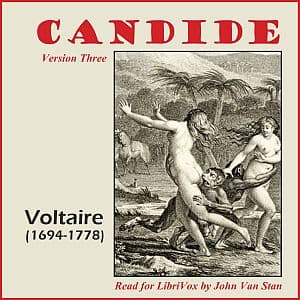
Candide begins in paradise and ends in a garden. The young Candide lives in the Baron Thunder-ten-tronckh's castle, where his tutor Pangloss teaches him that all is for the best in the best of all possible worlds. Then Candide kisses the baron's daughter, is kicked out, and watches Lisbon consume itself in an earthquake. What follows is a picaresque odyssey through war, plague, flooding, and the auto-da-fe, a relentless parade of suffering that makes Pangloss's optimism more absurd with each page. Voltaire's 1759 masterpiece is not merely a critique of Leibniz; it's a dismantling of any philosophy that asks us to accept injustice without acting. Sharp, funny, and genuinely shocking in its willingness to show human cruelty, it still reads like a necessary antidote to naive thinking. The famous conclusion, "we must cultivate our garden", offers no grand theory, just quiet, practical work in the face of an imperfect world.
Editions


Link to this book
Add a free, dofollow link to Lex on your blog, forum, syllabus, or reading list.

<a href="https://lex-books.com/book/candide-ou-l-optimisme-b04ebfc9-409c-40b9-b0b8-b7503f0abe18"><img src="https://lex-books.com/badges/read-on-lex.svg" alt="Read Candide, Ou L'optimisme by Voltaire free on Lex" width="160" height="40"></a>[](https://lex-books.com/book/candide-ou-l-optimisme-b04ebfc9-409c-40b9-b0b8-b7503f0abe18)[url=https://lex-books.com/book/candide-ou-l-optimisme-b04ebfc9-409c-40b9-b0b8-b7503f0abe18][img]https://lex-books.com/badges/read-on-lex.svg[/img][/url]Read Candide, Ou L'optimisme by Voltaire free on Lex: https://lex-books.com/book/candide-ou-l-optimisme-b04ebfc9-409c-40b9-b0b8-b7503f0abe18Cite this book
Reading this edition for a paper or guide? Copy a citation.
Voltaire. Candide, Ou L'optimisme. Lex, lex-books.com/book/candide-ou-l-optimisme-b04ebfc9-409c-40b9-b0b8-b7503f0abe18.Voltaire (1759). Candide, Ou L'optimisme. Lex. https://lex-books.com/book/candide-ou-l-optimisme-b04ebfc9-409c-40b9-b0b8-b7503f0abe18Voltaire. Candide, Ou L'optimisme. Lex. https://lex-books.com/book/candide-ou-l-optimisme-b04ebfc9-409c-40b9-b0b8-b7503f0abe18.