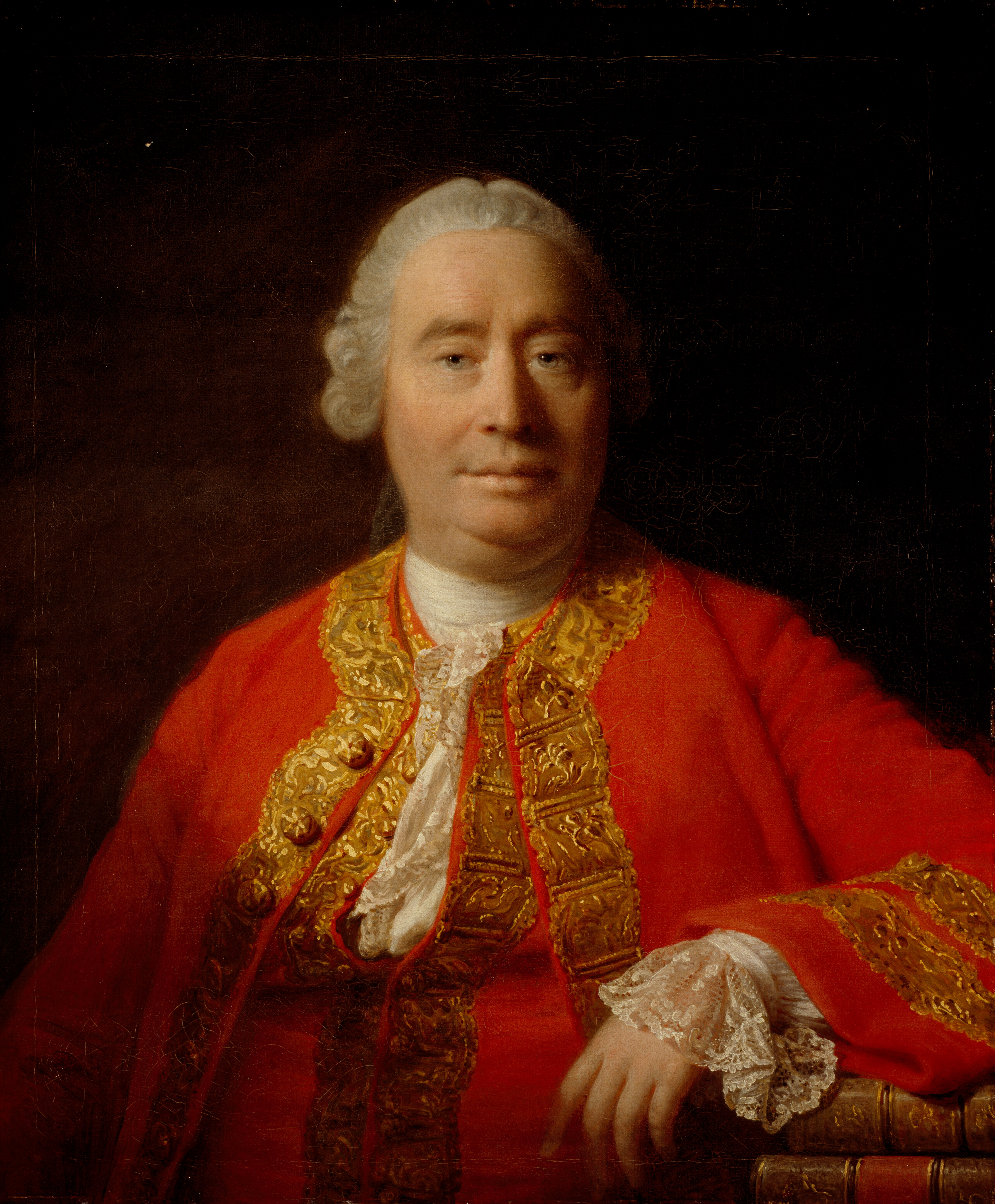
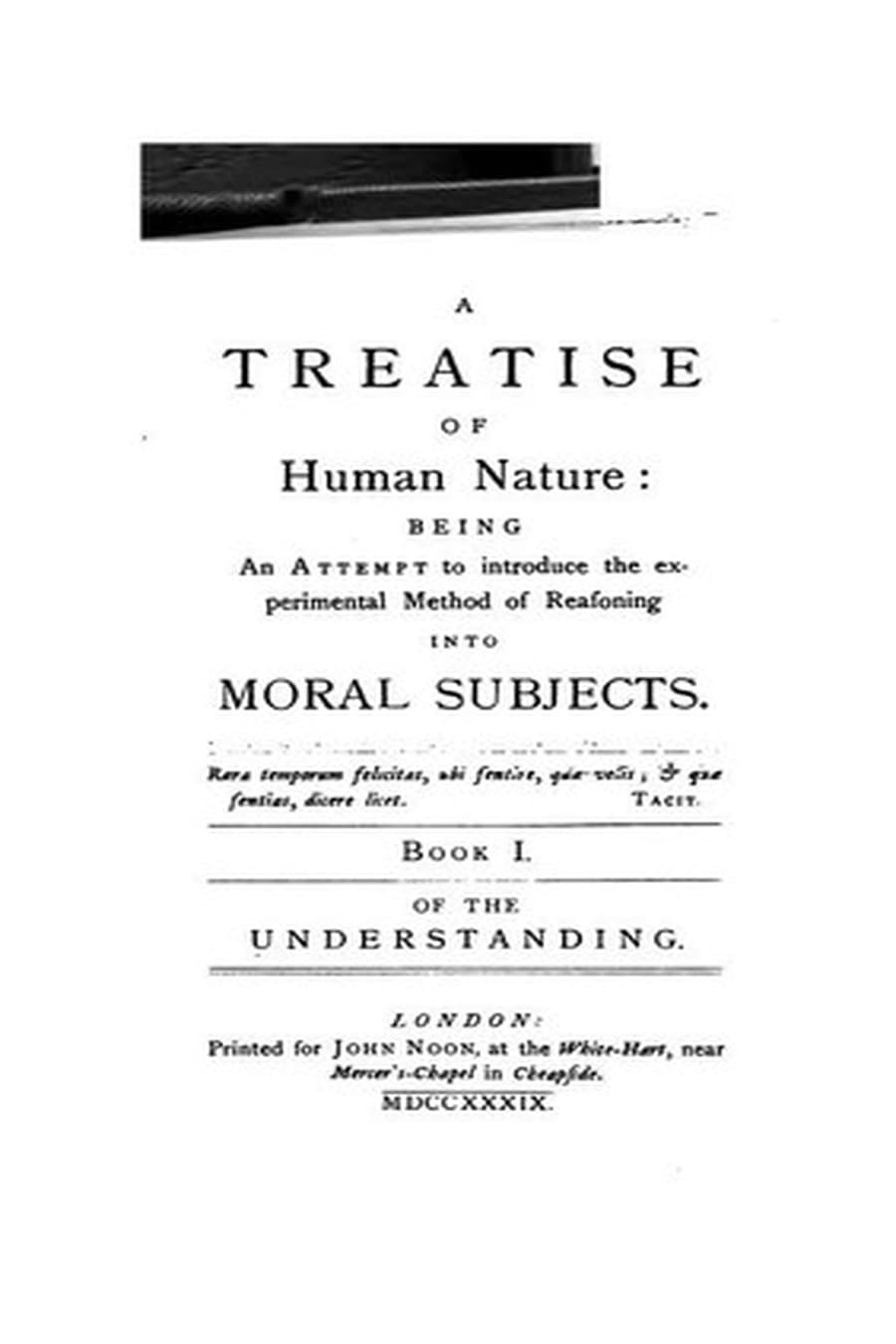
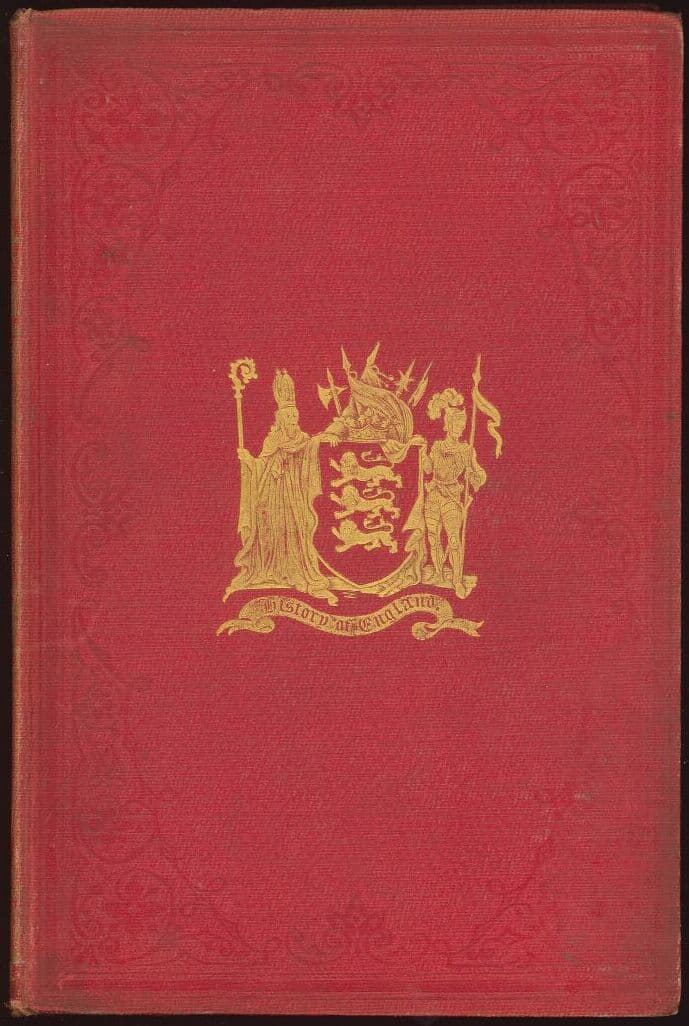
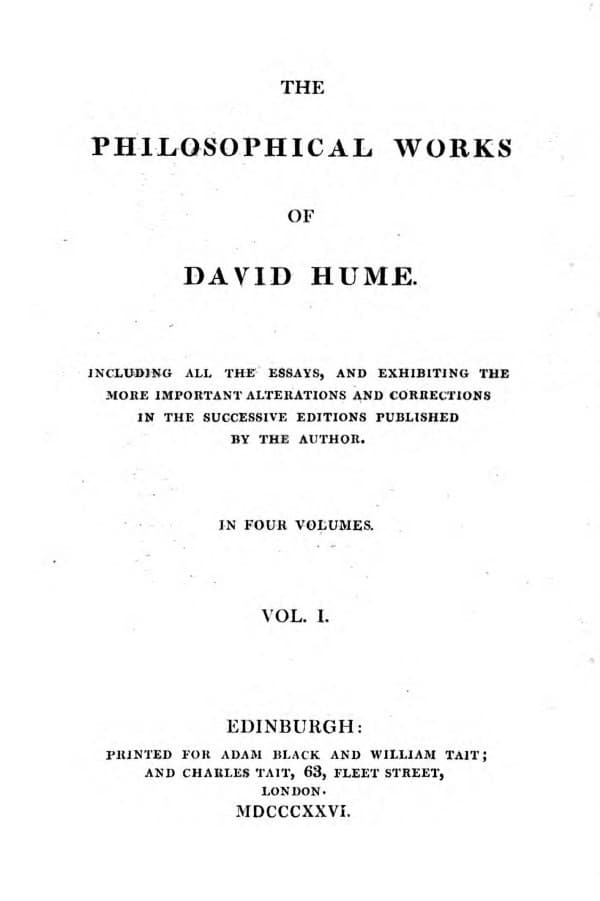
A Treatise of Human Nature
1739
Hume wanted to do for the human mind what Newton did for the physical world. This is the audacious premise of the Treatise, an attempt to lay bare the mechanical operations of thought itself through rigorous empirical observation. Hume argues that all mental content derives from experience, what he calls impressions, the raw data of sensation, and ideas, their pale reproductions. From this seemingly simple distinction, he unravels the foundations of belief, causation, personal identity, and morality with devastating logical precision. The most radical move: Hume places passion above reason. We do not act because we reason; we reason because we act. Reason is merely the instrument of desire, not its master. Against the rationalists who preceded him, Hume insists that inductive reasoning, our belief that the sun will rise tomorrow, cannot be justified by reason at all. It is pure habit, a mental instinct. This is the famous problem of induction, which still hauls philosophy around by its collar two and a half centuries later. Hume also defends a sentimentalist account of morality: ethical truths live in our feelings, not in abstract rational principles. The book failed commercially when published, and Hume himself spent years reworking its insights into more accessible form. Yet the Treatise remains the foundational document of modern empirical philosophy and cognitive science, a relentless inquiry into what we can actually know and who we actually are.
Editions

X-Ray
“Generally speaking, the errors in religion are dangerous; those in philosophy only ridiculous.””
— David Hume
“Reason is, and ought only to be the slave of the passions, and can never pretend to any other office than to serve and obey them.””
— David Hume
“For my part, when I enter most intimately into what I call myself, I always stumble on some particular perception or other, of heat or cold, light or shade, love or hatred, pain or pleasure. I never can catch myself at any time without a perception, and never can observe any thing but the perception…. If any one, upon serious and unprejudic'd reflection thinks he has a different notion of himself, I must confess I can reason no longer with him. All I can allow him is, that he may be in the right as well as I, and that we are essentially different in this particular. He may, perhaps, perceive something simple and continu'd, which he calls himself; tho' I am certain there is no such principle in me.””
— David Hume
“The identity that we ascribe to things is only a fictitious one, established by the mind, not a peculiar nature belonging to what we’re talking about.””
— David Hume
“Any pride or haughtiness, is displeasing to us, merely because it shocks our own pride, and leads us by sympathy into comparison, which causes the disagreeable passion of humility.””
— David Hume
“We make allowance for a certain degree of selfishness in men; because we know it to be inseparable from human nature, and inherent in our frame and constitution. By this reflexion we correct those sentiments of blame, which so naturally arise upon any opposition.””
— David Hume
“Tis not unreasonable for me to prefer the destruction of the whole world to the scratching of my finger.””
— David Hume
“I may venture to affirm of the rest of mankind, that they are nothing but a bundle or collection of different perceptions, which succeed each other with an inconceivable rapidity, and are in a perpetual flux and movement.””
— David Hume
“Most fortunately it happens, that since reason is incapable of dispelling these clouds, nature herself suffices to that purpose, and cures me of this philosophical melancholy and delirium, either by relaxing this bent of mind, or by some avocation, and lively impression of my senses, which obliterate all these chimeras. I dine, I play a game of backgammon, I converse, and am merry with my friends; and when after three or four hours' amusement, I would return to these speculations, they appear so cold, and strain'd, and ridiculous, that I cannot find in my heart to enter into them any farther.””
— David Hume
Link to this book
Add a free, dofollow link to Lex on your blog, forum, syllabus, or reading list.

<a href="https://lex-books.com/book/a-treatise-of-human-nature-a9d9c43e-8609-4a45-9a35-e42645099e04"><img src="https://lex-books.com/badges/read-on-lex.svg" alt="Read A Treatise of Human Nature by David Hume free on Lex" width="160" height="40"></a>[](https://lex-books.com/book/a-treatise-of-human-nature-a9d9c43e-8609-4a45-9a35-e42645099e04)[url=https://lex-books.com/book/a-treatise-of-human-nature-a9d9c43e-8609-4a45-9a35-e42645099e04][img]https://lex-books.com/badges/read-on-lex.svg[/img][/url]Read A Treatise of Human Nature by David Hume free on Lex: https://lex-books.com/book/a-treatise-of-human-nature-a9d9c43e-8609-4a45-9a35-e42645099e04Cite this book
Reading this edition for a paper or guide? Copy a citation.
Hume, David. A Treatise of Human Nature. Lex, lex-books.com/book/a-treatise-of-human-nature-a9d9c43e-8609-4a45-9a35-e42645099e04.Hume, D. (1739). A Treatise of Human Nature. Lex. https://lex-books.com/book/a-treatise-of-human-nature-a9d9c43e-8609-4a45-9a35-e42645099e04Hume, David. A Treatise of Human Nature. Lex. https://lex-books.com/book/a-treatise-of-human-nature-a9d9c43e-8609-4a45-9a35-e42645099e04.