
William Wilberforce
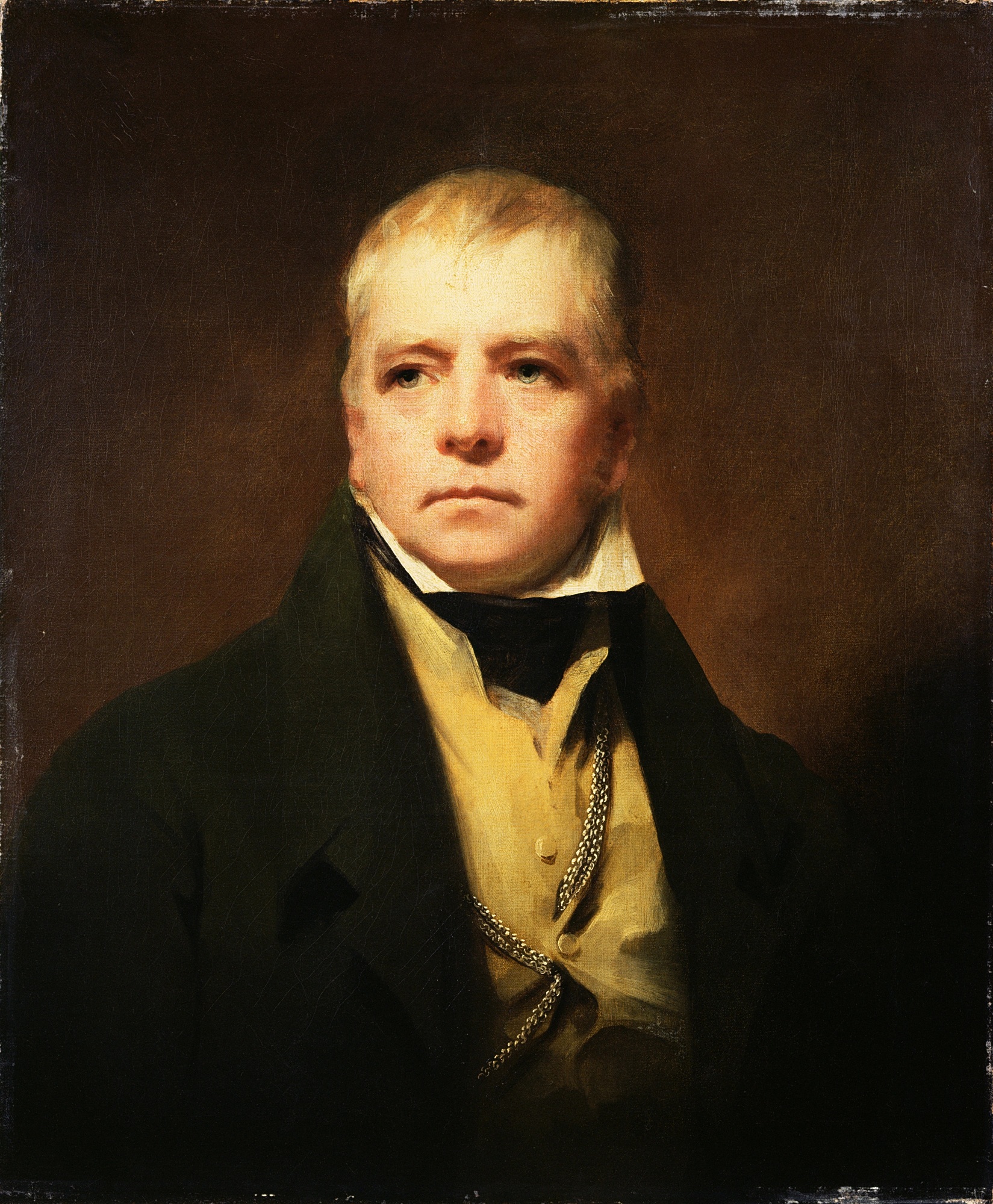
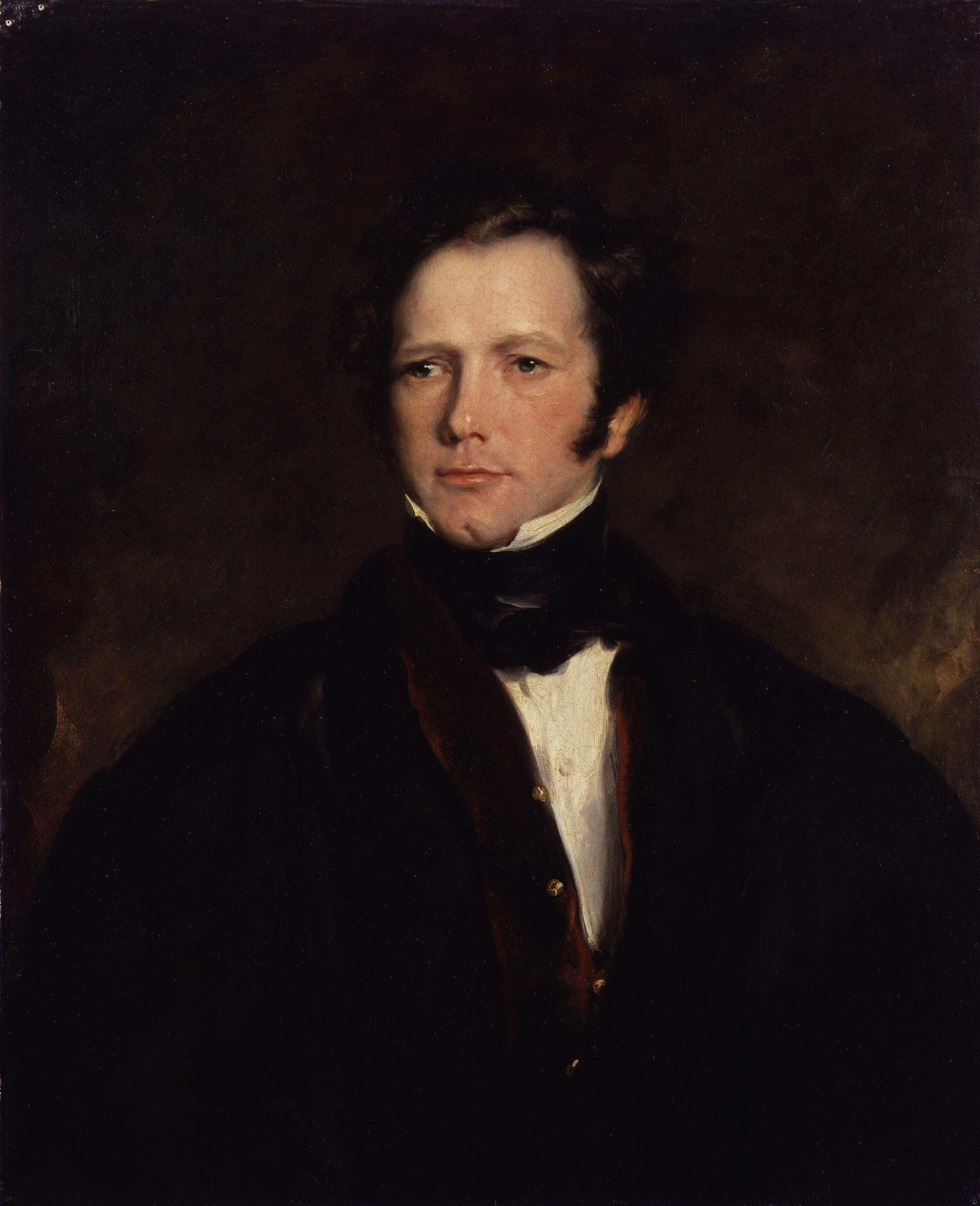
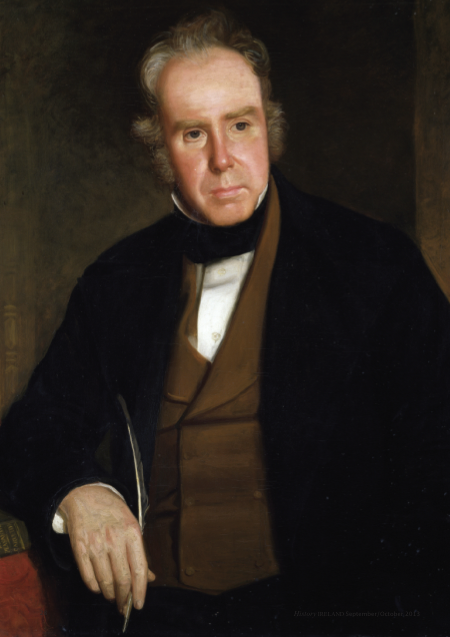
William Wilberforce was a prominent British politician and philanthropist, best known for his pivotal role in the abolition of the Atlantic slave trade. Born in Kingston upon Hull, Yorkshire, he began his political career in 1780 and served as an independent Member of Parliament for Yorkshire from 1784 to 1812. A significant turning point in his life came in 1785 when he experienced a religious conversion that led him to embrace evangelical Anglicanism. This transformation ignited a passion for social reform and justice, steering him towards the abolitionist movement. In 1787, he allied with key figures such as Thomas Clarkson and Granville Sharp, becoming a leading voice against the slave trade and dedicating two decades to the parliamentary campaign that ultimately resulted in the passage of the Slave Trade Act in 1807. Beyond abolition, Wilberforce's reformist zeal extended to various social causes, including the promotion of education, missionary work in India, and the establishment of organizations like the Society for the Prevention of Cruelty to Animals. However, his conservative views sometimes drew criticism, as detractors argued that he overlooked domestic injustices while focusing on international issues. Despite these complexities, Wilberforce's legacy as a champion of human rights and moral reform endures, marking him as a significant figure in the fight against slavery and for social justice in Britain and beyond.
Famous Quotes
View all 3 quotes“You may choose to look the other way but you can never say again that you did not know.”
“If to be feelingly alive to the sufferings of my fellow-creatures is to be a fanatic, I am one of the most incurable fanatics ever permitted to be at large.”
“We are too young to realize that certain things are impossible... So we will do them anyway.”
Books from the author













Link to this page
Add a free, dofollow link to Lex on your blog, forum, syllabus, or reading list.

<a href="https://lex-books.com/author/william-wilberforce"><img src="https://lex-books.com/badges/read-on-lex.svg" alt="William Wilberforce on Lex" width="160" height="40"></a>[](https://lex-books.com/author/william-wilberforce)[url=https://lex-books.com/author/william-wilberforce][img]https://lex-books.com/badges/read-on-lex.svg[/img][/url]William Wilberforce on Lex: https://lex-books.com/author/william-wilberforce