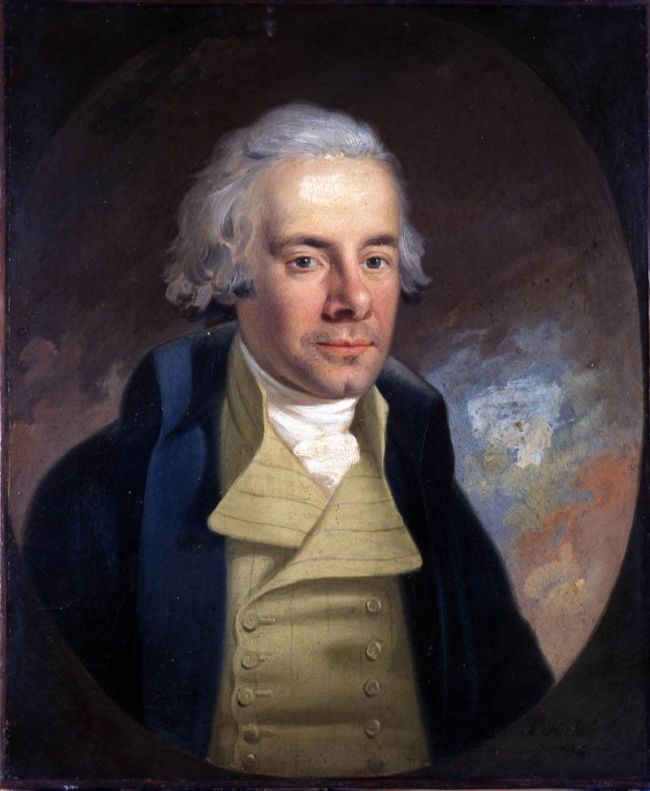
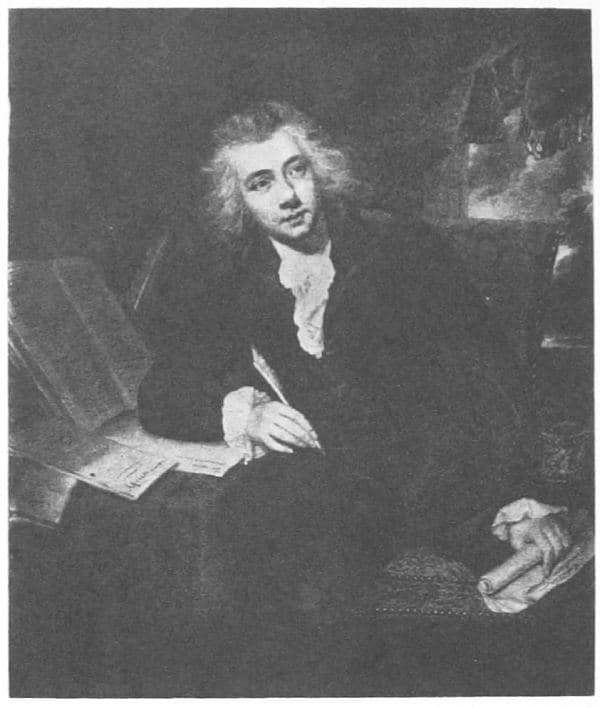
A Practical View of the Prevailing Religious System of Professed Christians, in the Middle and Higher Classes in This Country, Contrasted with Real Christianity.
1797
A Practical View of the Prevailing Religious System of Professed Christians, in the Middle and Higher Classes in This Country, Contrasted with Real Christianity.
1797
In 1797, a young British parliamentarian who would later dismantle the slave trade turned his formidable moral energy inward, demanding that his countrymen examine what they actually believed versus what they merely practiced. William Wilberforce wrote this treatise because he was terrified: millions identified as Christians while understanding almost nothing of Christianity's demands. He argues that morality and respectability had become substitutes for faith, that Britain had confused good manners with salvation, and that a nation calling itself Christian was sleepwalking toward spiritual disaster. The book is essentially an intervention, a prophetic voice calling the comfortable middle and upper classes to stop merely performing religion and start actually following Christ. Wilberforce writes with startling directness about the danger of a faith inherited like property, passed down through generations without any personal transformation. This is not a dry theological treatise but a passionate plea for authenticity in an age of religious complacency. Two centuries later, the question Wilberforce posed remains unbroken: What if most people who call themselves Christians are actually strangers to the faith they claim?
Editions
X-Ray
“true Christians consider themselves not as satisfying some rigorous creditor, but as discharging a debt of gratitude””
— William Wilberforce
“Selfishness is one of the principal fruits of the corruption of human nature; and it is obvious that selfishness disposes us to over-rate our good qualities, and to overlook or extenuate our defects.””
— William Wilberforce
“Let him then, who would be indeed a Christian, watch over his ways and over his heart with unceasing circumspection. Let him endeavour to learn, both from men and books, particularly from the lives of eminent Christians, what methods have been actually found most effectual for the conquest of every particular vice, and for improvement in every branch of holiness. Thus studying his own character, and observing the most secret workings of his own mind, and of our common nature; the knowledge which he will acquire of the human heart in general, and especially of his own, will be of the highest utility, in enabling him to avoid or to guard against the occasions of evil: and it will also tend, above all things, to the growth of humility, and to the maintenance of that sobriety of spirit and tenderness of conscience, which are eminently characteristic of the true Christian.””
— William Wilberforce
“It makes no sense to take the name of Christian and not cling to Christ. Jesus is not some magic charm to wear like a piece of jewelry we think will give us good luck. He is the Lord. His name is to be written on our hearts in such a powerful way that it creates within us a profound experience of His peace and a heart that is filled with His praise.””
— William Wilberforce
“Let true Christians then, with becoming earnestness, strive in all things to recommend their profession, and to put to silence the vain scoffs of ignorant objectors. Let them boldly assert the cause of Christ in an age when so many, who bear the name of Christians, are ashamed of Him: and let them consider as devolved on Them the important duty of suspending for a while the fall of their country, and, perhaps, of performing a still more extensive service to society at large; not by busy interference in politics, in which it cannot but be confessed there is much uncertainty; but rather by that sure and radical benefit of restoring the influence of Religion, and of raising the standard of morality.””
— William Wilberforce
“We can scarcely indeed look into any part of the sacred volume without meeting abundant proofs, that it is the religion of the Affections which God particularly requires. Love, Zeal, Gratitude, Joy, Hope, Trust, are each of them specified; and are not allowed to us as weaknesses, but enjoined on us as our bounden duty, and commended to us as our acceptable worship.””
— William Wilberforce
“Christianity has been successfully attacked and marginalized… because those who professed belief were unable to defend the faith from attack, even though its attackers’ arguments were deeply flawed.””
— William Wilberforce
“The distemper of which, as a community, we are sick, should be considered rather as a moral than a political malady.””
— William Wilberforce
“What a difference it would be if our system of morality were based on the Bible instead of the standards devised by cultural Christians.””
— William Wilberforce
Link to this book
Add a free, dofollow link to Lex on your blog, forum, syllabus, or reading list.

<a href="https://lex-books.com/book/a-practical-view-of-the-prevailing-religious-system-of-professed-christians-in-t-c6368226-7916-4fe4-a557-bc3a55c8347f"><img src="https://lex-books.com/badges/read-on-lex.svg" alt="Read A Practical View of the Prevailing Religious System of Professed Christians, in the Middle and Higher Classes in This Country, Contrasted with Real Christianity. by William Wilberforce free on Lex" width="160" height="40"></a>[](https://lex-books.com/book/a-practical-view-of-the-prevailing-religious-system-of-professed-christians-in-t-c6368226-7916-4fe4-a557-bc3a55c8347f)[url=https://lex-books.com/book/a-practical-view-of-the-prevailing-religious-system-of-professed-christians-in-t-c6368226-7916-4fe4-a557-bc3a55c8347f][img]https://lex-books.com/badges/read-on-lex.svg[/img][/url]Read A Practical View of the Prevailing Religious System of Professed Christians, in the Middle and Higher Classes in This Country, Contrasted with Real Christianity. by William Wilberforce free on Lex: https://lex-books.com/book/a-practical-view-of-the-prevailing-religious-system-of-professed-christians-in-t-c6368226-7916-4fe4-a557-bc3a55c8347fCite this book
Reading this edition for a paper or guide? Copy a citation.
Wilberforce, William. A Practical View of the Prevailing Religious System of Professed Christians, in the Middle and Higher Classes in This Country, Contrasted with Real Christianity.. Lex, lex-books.com/book/a-practical-view-of-the-prevailing-religious-system-of-professed-christians-in-t-c6368226-7916-4fe4-a557-bc3a55c8347f.Wilberforce, W. (1797). A Practical View of the Prevailing Religious System of Professed Christians, in the Middle and Higher Classes in This Country, Contrasted with Real Christianity.. Lex. https://lex-books.com/book/a-practical-view-of-the-prevailing-religious-system-of-professed-christians-in-t-c6368226-7916-4fe4-a557-bc3a55c8347fWilberforce, William. A Practical View of the Prevailing Religious System of Professed Christians, in the Middle and Higher Classes in This Country, Contrasted with Real Christianity.. Lex. https://lex-books.com/book/a-practical-view-of-the-prevailing-religious-system-of-professed-christians-in-t-c6368226-7916-4fe4-a557-bc3a55c8347f.