William Patton
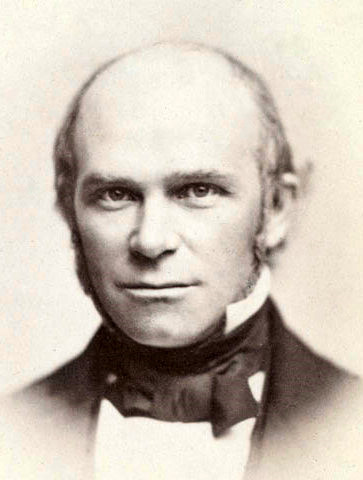
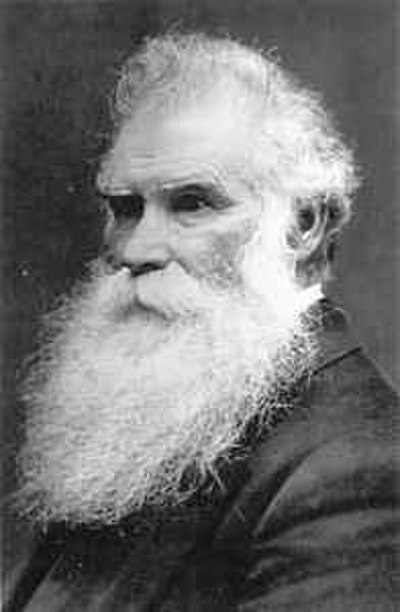
William Patton was an influential American minister and author, recognized for his contributions to religious literature in the 19th century. He was a prominent figure in the Presbyterian Church and played a significant role in the development of religious thought during a time of great social and political change in the United States. Patton's works often reflected his deep commitment to the principles of Christianity and his desire to engage with contemporary issues through a theological lens. One of his notable contributions is found in 'The National Preacher,' a monthly publication that featured original sermons from various living ministers. This work aimed to disseminate religious ideas and provide a platform for preachers to reach a wider audience. Patton's editorial efforts in this publication helped shape the discourse of his time, making theological discussions more accessible to the general public. His legacy lies in his dedication to the ministry and his efforts to inspire others through the written word, leaving an indelible mark on American religious literature.
Famous Quotes
View all 6 quotes“If everyone is thinking alike, someone isn’t thinking.”
“Patton’s store. A grinning man would halt the wagon with an upraised arm but it would not halt. When he noticed the quiltcovered cargo the wagon transported, he called, What you got there, Sandy? The driver turned and spat and wiped his mouth and glanced back briefly but he didn’t stay the wagon. Dead folks, he said.””
“Doesn’t the superior lose control if his subordinates have a great deal of freedom to make their own decisions? The historical record quickly shows this is not the case. Generals George Patton and Bruce Clark both used mission-type orders in World War II. The German army has used mission-type orders for over a century, yet it has not been an army that was “out of control.” What changes is the way control is achieved. Instead of controlling by telling the subordinate what to do and then demanding constant reports to show he is doing it, control comes through the intent and the mission. Indeed, control is really replaced with guidance, while the intent and the mission “glue” the force together. There are””
Books from the author




Link to this page
Add a free, dofollow link to Lex on your blog, forum, syllabus, or reading list.

<a href="https://lex-books.com/author/william-patton"><img src="https://lex-books.com/badges/read-on-lex.svg" alt="William Patton on Lex" width="160" height="40"></a>[](https://lex-books.com/author/william-patton)[url=https://lex-books.com/author/william-patton][img]https://lex-books.com/badges/read-on-lex.svg[/img][/url]William Patton on Lex: https://lex-books.com/author/william-patton