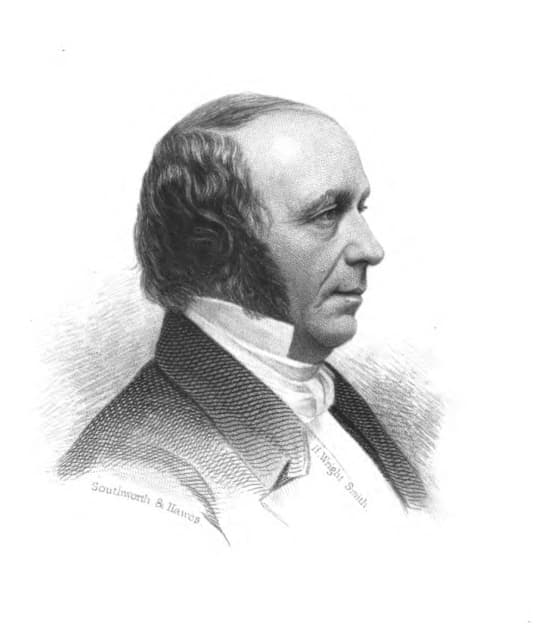
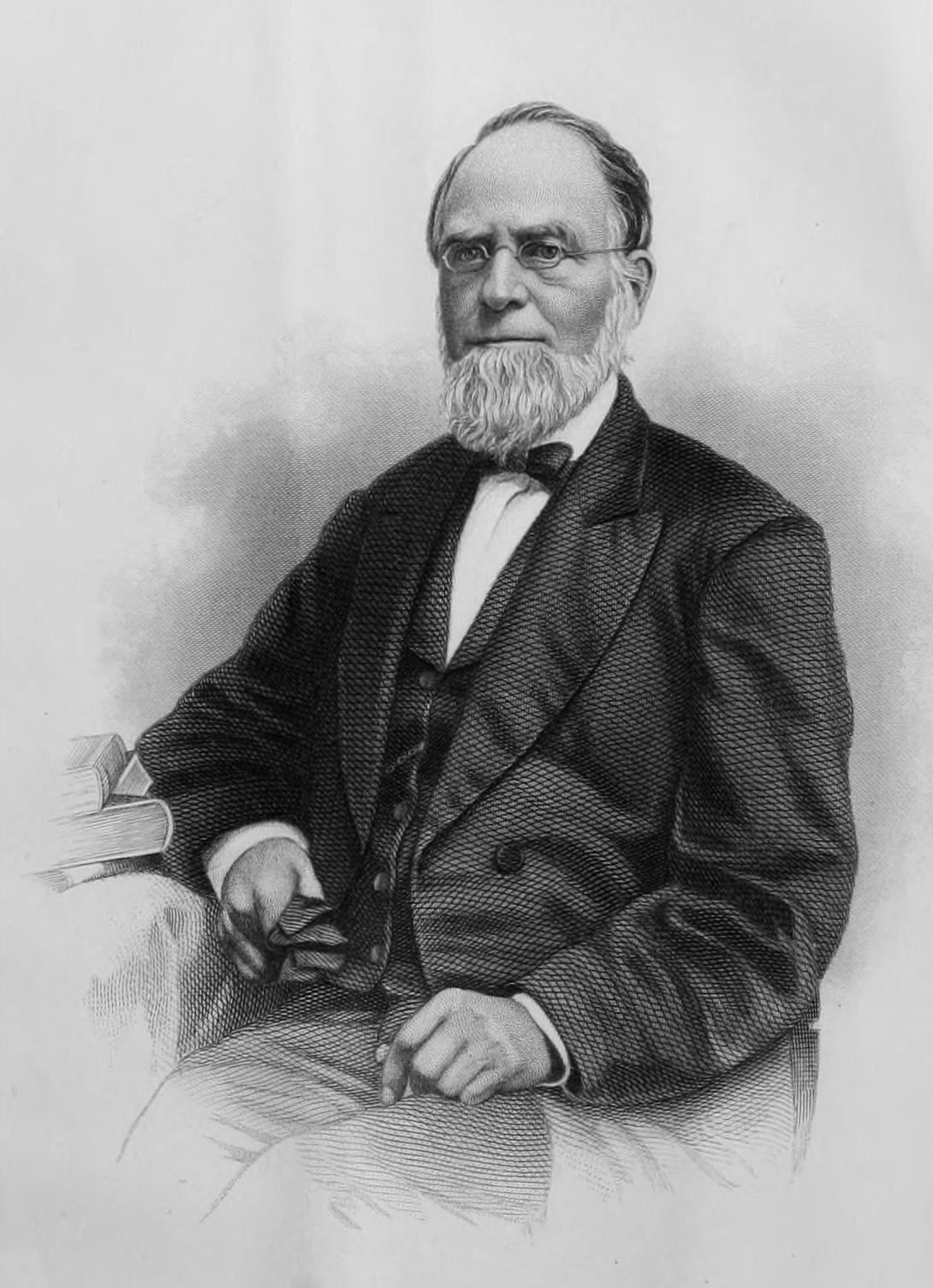
Nehemiah Adams
Nehemiah Adams was an American clergyman and writer known for his contributions to religious literature and social commentary. Born in 1806, he became a prominent figure in the Congregational Church and was deeply engaged in the issues of his time, particularly those surrounding slavery and social reform. His most notable works include 'A South-Side View of Slavery,' published in 1854, which offered a defense of slavery from a Southern perspective, and 'The Christian's Defense,' which addressed the moral and ethical implications of various societal issues. Adams's writings reflect the complexities of American society in the mid-19th century, illustrating the tensions between religious beliefs and social practices. Adams's literary significance lies in his ability to articulate the views of his contemporaries while also challenging them. His works sparked considerable debate and controversy, particularly in the context of the abolitionist movement. By engaging with the moral dilemmas of his era, Adams contributed to the broader discourse on faith, morality, and social justice. His legacy endures as a reflection of the religious and cultural landscape of 19th-century America, providing insight into the mindset of a clergyman grappling with the pressing issues of his time.
Famous Quotes
View all 3 quotes“So in all our search after the mind of God in the Holy Scriptures we are to manage our inquiries with reference to Christ. Therefore the best interpreter of the Old Testament is the Holy Spirit speaking to us in the new. There we have the clearest light of the knowledge of the glory of God shining on us in the face of Jesus Christ, by unveiling those counsels of love and grace that were hidden from former ages and generations””
“This sanction belonged not only to the positive precept to which it was expressly annexed, but also to the law of nature; the demerit for transgressing this law is known to man by the same light as the law itself is known to him. This is made good by the experience of mankind even in their fallen state, who do not only find some remaining notions in themselves of the difference of good and evil, and some sense of their duty to embrace the one and eschew the other, but also have a consciousness of punishment due to the transgression of these dictates of their reason. These notions are connatural5 to them and therefore are to be observed both in those that have not and in those that have the light of a written law to guide them (Romans 1:32; 2:15). If this is so with fallen man regarding the law itself, then its sanction was also perfectly and distinctly known to Adam in his upright state. His conscience was pure and his mind irradiated with a clear light, being perfectly free from those dark fumes of sensual lust with which the reason and judgment of his lapsed offspring is darkened and perverted.””
“I do not say the covenant of grace is absolutely without conditions, if by conditions we intend the duties of obedience which God requires of us in and by virtue of that covenant; but this I say, the principal promises of it are not in the first place remunerative of our obedience in the covenant, but efficaciously assumptive of us into covenant, and establishing or confirming in the covenant.””
Books from the author




Link to this page
Add a free, dofollow link to Lex on your blog, forum, syllabus, or reading list.

<a href="https://lex-books.com/author/nehemiah-adams"><img src="https://lex-books.com/badges/read-on-lex.svg" alt="Nehemiah Adams on Lex" width="160" height="40"></a>[](https://lex-books.com/author/nehemiah-adams)[url=https://lex-books.com/author/nehemiah-adams][img]https://lex-books.com/badges/read-on-lex.svg[/img][/url]Nehemiah Adams on Lex: https://lex-books.com/author/nehemiah-adams