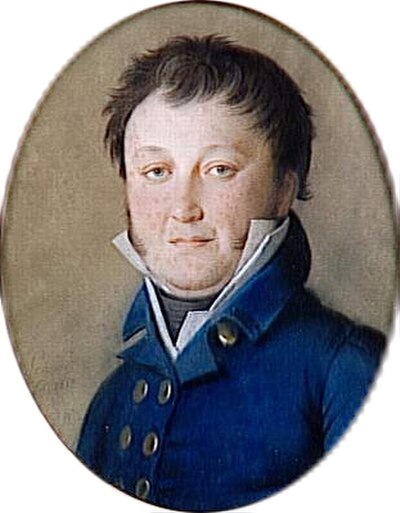
George Bethune English
George Bethune English was an American adventurer, diplomat, and soldier whose intellectual journey led him to embrace Islam and challenge Christian orthodoxy. Born in Cambridge, Massachusetts, he was the eldest son of a prominent merchant family and received his education at Harvard College, where he initially pursued law before earning a Master's in theology. His academic pursuits were marked by a unique engagement with both the Pentateuch and the Quran, which ultimately fueled his disillusionment with traditional Christian beliefs. This culminated in his controversial work, 'The Grounds of Christianity Examined,' published in 1814, which questioned the foundations of Christianity and resulted in his excommunication from the Church of Christ. English's writings sparked significant debate and backlash, leading to a series of responses from contemporaries, including Unitarian leader William Ellery Channing and former colleague Edward Everett. His intellectual legacy continued with his later work, 'Five Smooth Stones out of the Brook,' produced after his return from Egypt. English's life was marked by a quest for truth that transcended religious boundaries, making him a notable figure in early American religious discourse and a precursor to later interfaith dialogues. His unique perspective as a convert to Islam and his critical examination of Christianity positioned him as a significant, if controversial, voice in the landscape of 19th-century American thought.
Books from the author




Link to this page
Add a free, dofollow link to Lex on your blog, forum, syllabus, or reading list.

<a href="https://lex-books.com/author/george-bethune-english"><img src="https://lex-books.com/badges/read-on-lex.svg" alt="George Bethune English on Lex" width="160" height="40"></a>[](https://lex-books.com/author/george-bethune-english)[url=https://lex-books.com/author/george-bethune-english][img]https://lex-books.com/badges/read-on-lex.svg[/img][/url]George Bethune English on Lex: https://lex-books.com/author/george-bethune-english