William Morison
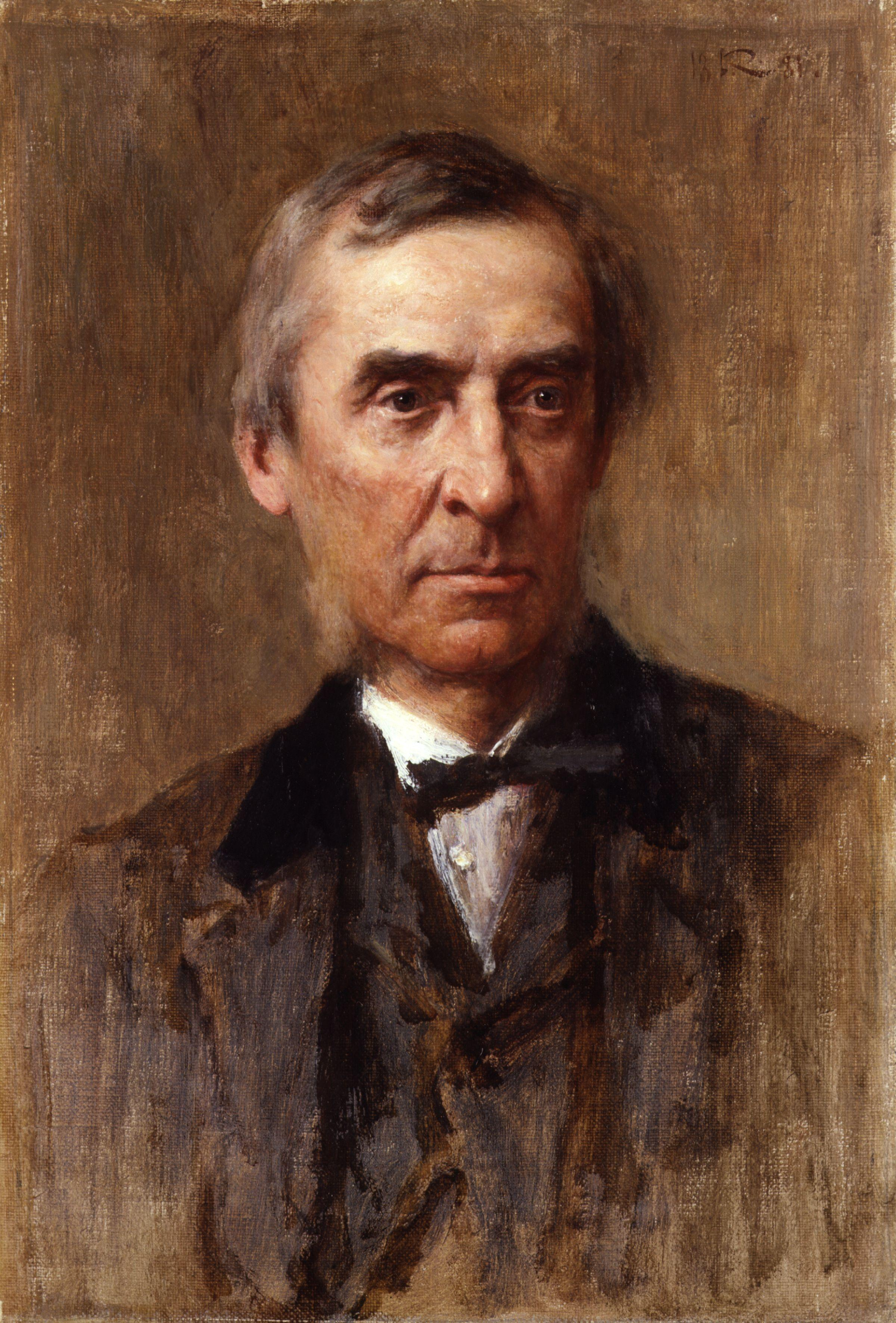
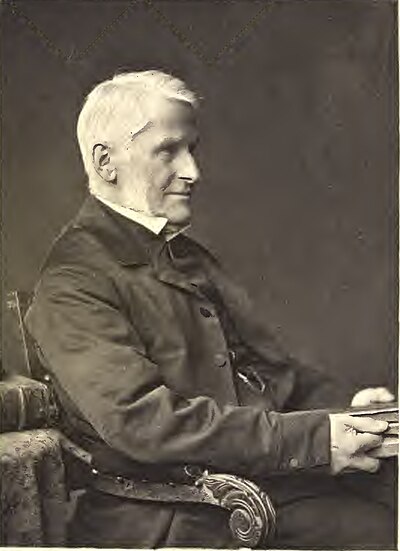
William Morison was a Scottish historian and author, best known for his work on the life and influence of Andrew Melville, a prominent figure in the Scottish Reformation. Morison's scholarly pursuits were deeply rooted in the religious and political upheavals of his time, and he sought to illuminate the complexities of Melville's contributions to the development of Presbyterianism in Scotland. His book, 'Andrew Melville,' not only chronicled Melville's life but also explored the broader implications of his work on Scottish education and church governance, making it a significant contribution to the study of Scottish history. Throughout his career, Morison's writings reflected a commitment to understanding the interplay between religion and politics in Scotland. His detailed examination of Melville's legacy provided insights into the struggles for religious freedom and the establishment of a distinct Scottish identity during a transformative period in the nation's history. Morison's scholarship has been recognized for its depth and clarity, ensuring that Andrew Melville's role in shaping modern Scotland remains acknowledged and appreciated. Morison's contributions to historical literature continue to resonate, as they offer valuable perspectives on the enduring impact of religious figures in shaping societal structures.
Famous Quotes
View all 1 quotes“Lo que sucede es lo inesperado, siempre. Su abuela Morison decía que la pistola que no está cargada es la que mata a la gente”.””
Books from the author




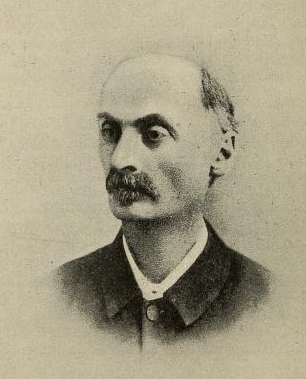

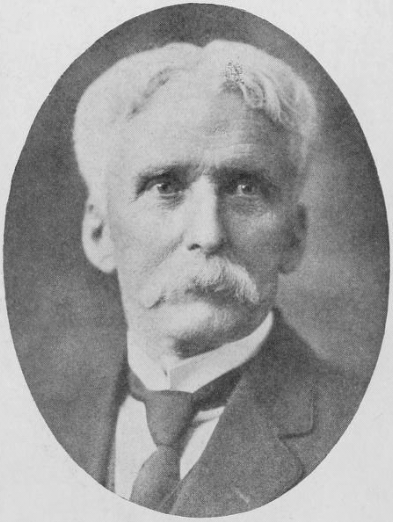

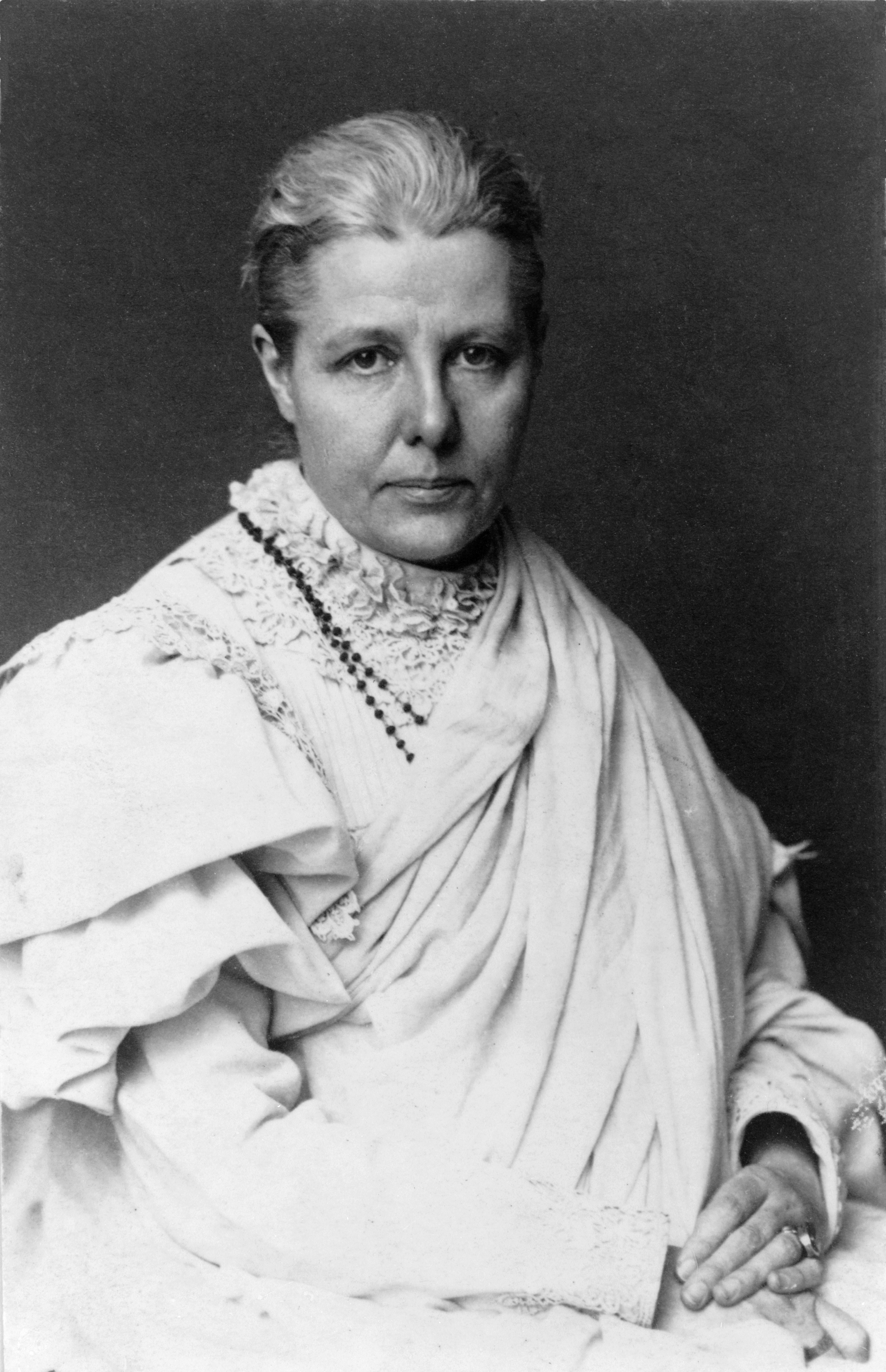
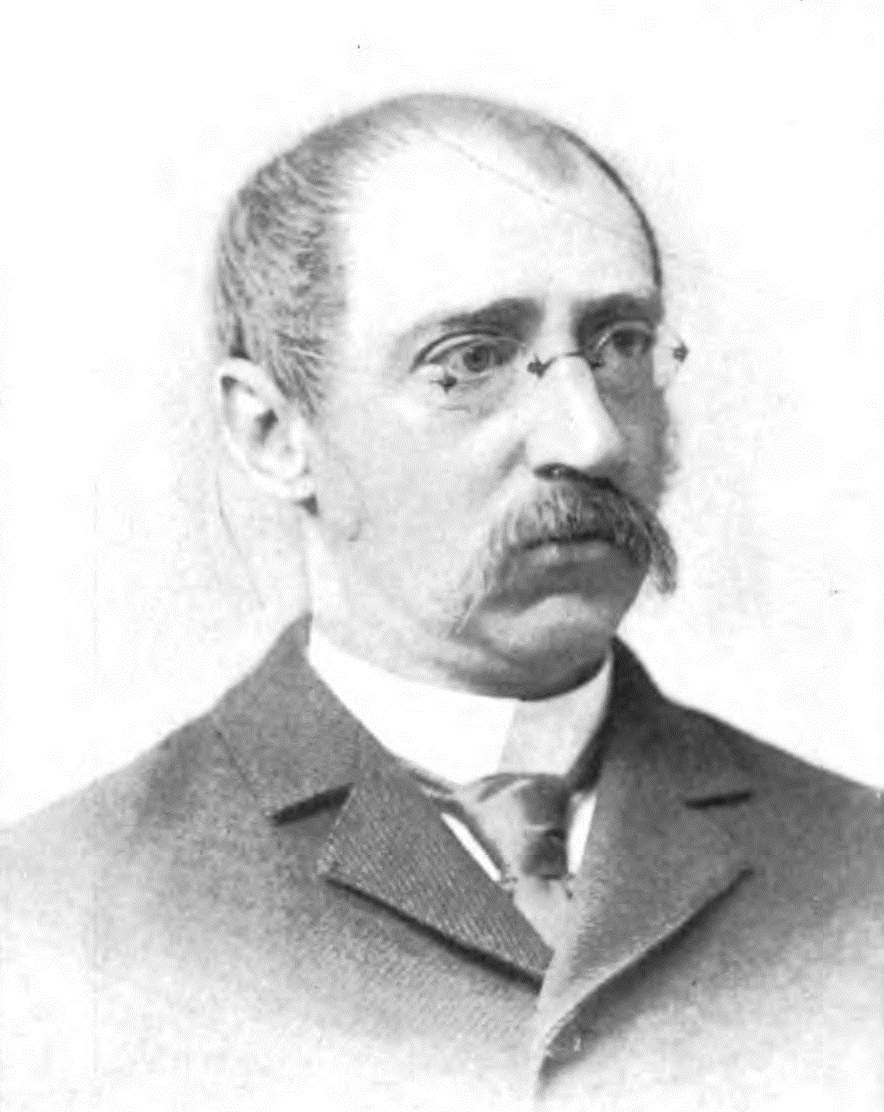
Link to this page
Add a free, dofollow link to Lex on your blog, forum, syllabus, or reading list.

<a href="https://lex-books.com/author/william-morison"><img src="https://lex-books.com/badges/read-on-lex.svg" alt="William Morison on Lex" width="160" height="40"></a>[](https://lex-books.com/author/william-morison)[url=https://lex-books.com/author/william-morison][img]https://lex-books.com/badges/read-on-lex.svg[/img][/url]William Morison on Lex: https://lex-books.com/author/william-morison