
Henry A. Beers
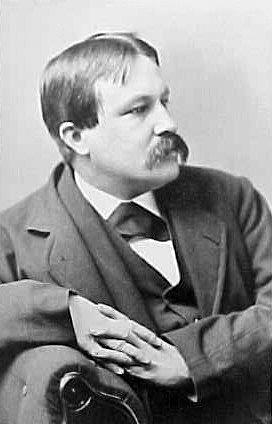
Henry A. Beers was an American literary critic, historian, and poet, known for his insightful analyses of American literature and his contributions to literary scholarship in the late 19th and early 20th centuries. Born in 1847, Beers pursued a career in academia and became a prominent figure at Yale University, where he taught English literature. His most notable works include 'A History of American Literature' and 'The Development of English Literature,' both of which provided comprehensive overviews of the evolution of literature in America and England, respectively. Beers's scholarship was characterized by its clarity and depth, making complex literary movements accessible to a wider audience. In addition to his critical works, Beers was also a poet and contributed to various literary journals, where he explored themes of nature, society, and the human experience. His literary significance lies in his role as a bridge between the earlier Romantic traditions and the emerging modernist movements, as he helped to contextualize American literature within a broader literary canon. Beers's legacy endures through his influential writings, which continue to be referenced by scholars and students alike, solidifying his place in the history of American literary criticism.
Famous Quotes
View all 1 quotes“he warns it against the besetting sin of university dons and the learned and lettered class in general, a supercilious, patronizing attitude towards the men of action who are doing the rough work of the world. Critics are the object of his fiercest denunciation. "A cynical habit of thought and speech, a readiness to criticise work which the critic himself never tries to perform, an intellectual aloofness which will not accept contact with life's realities”
Books from the author
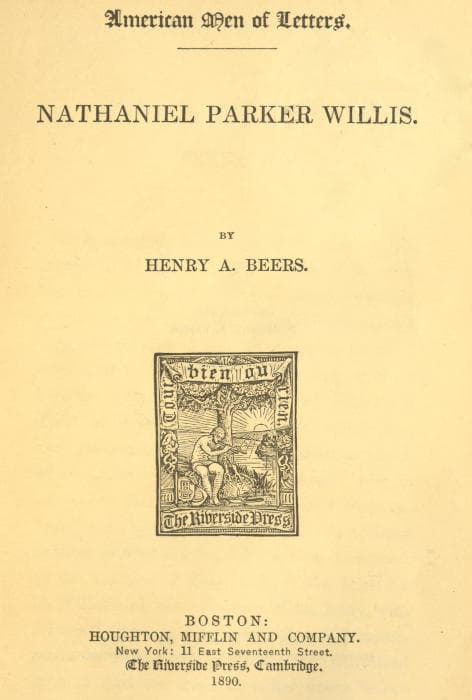
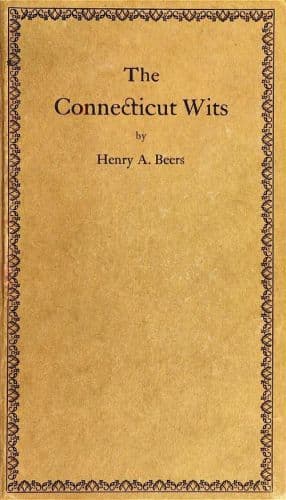

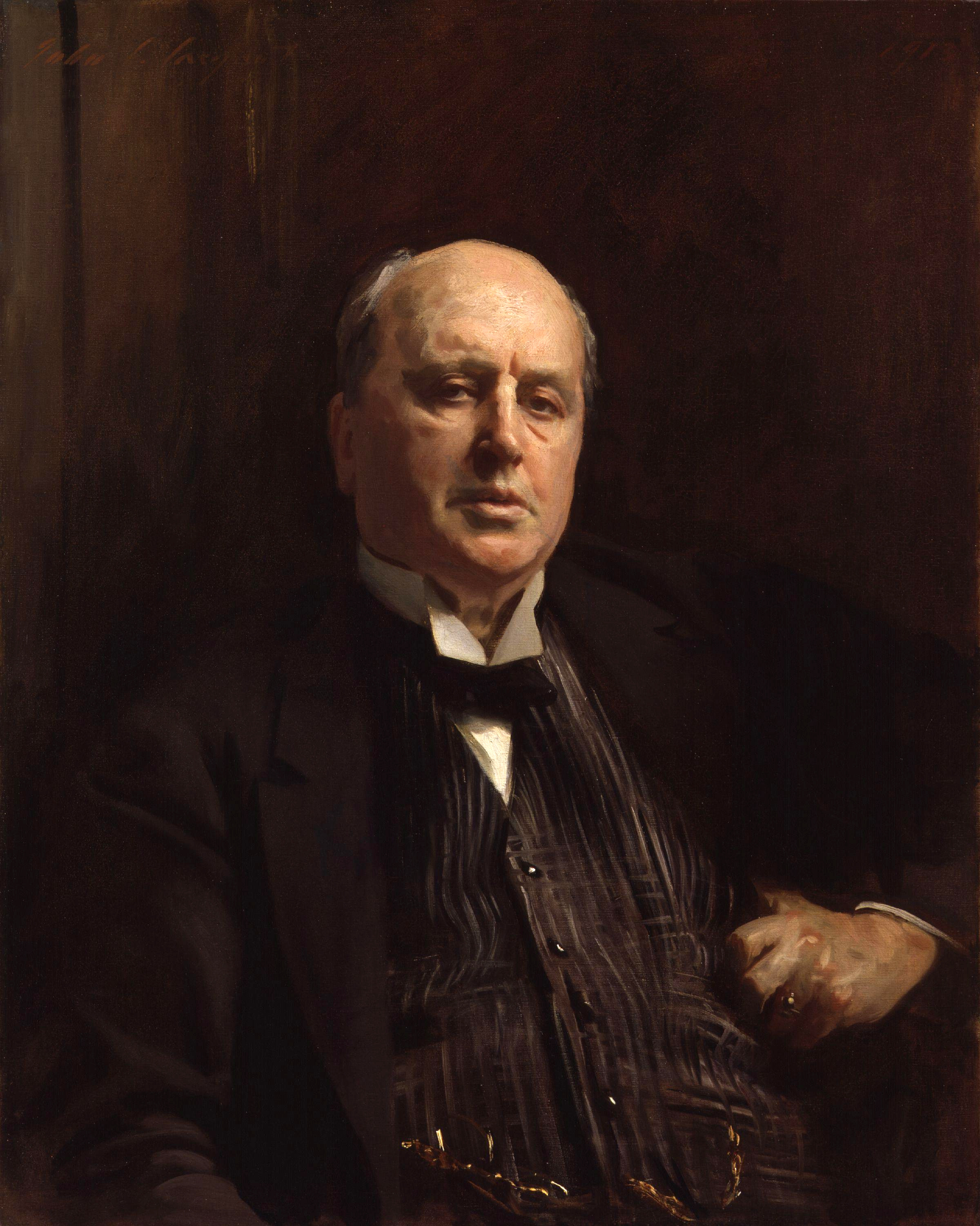


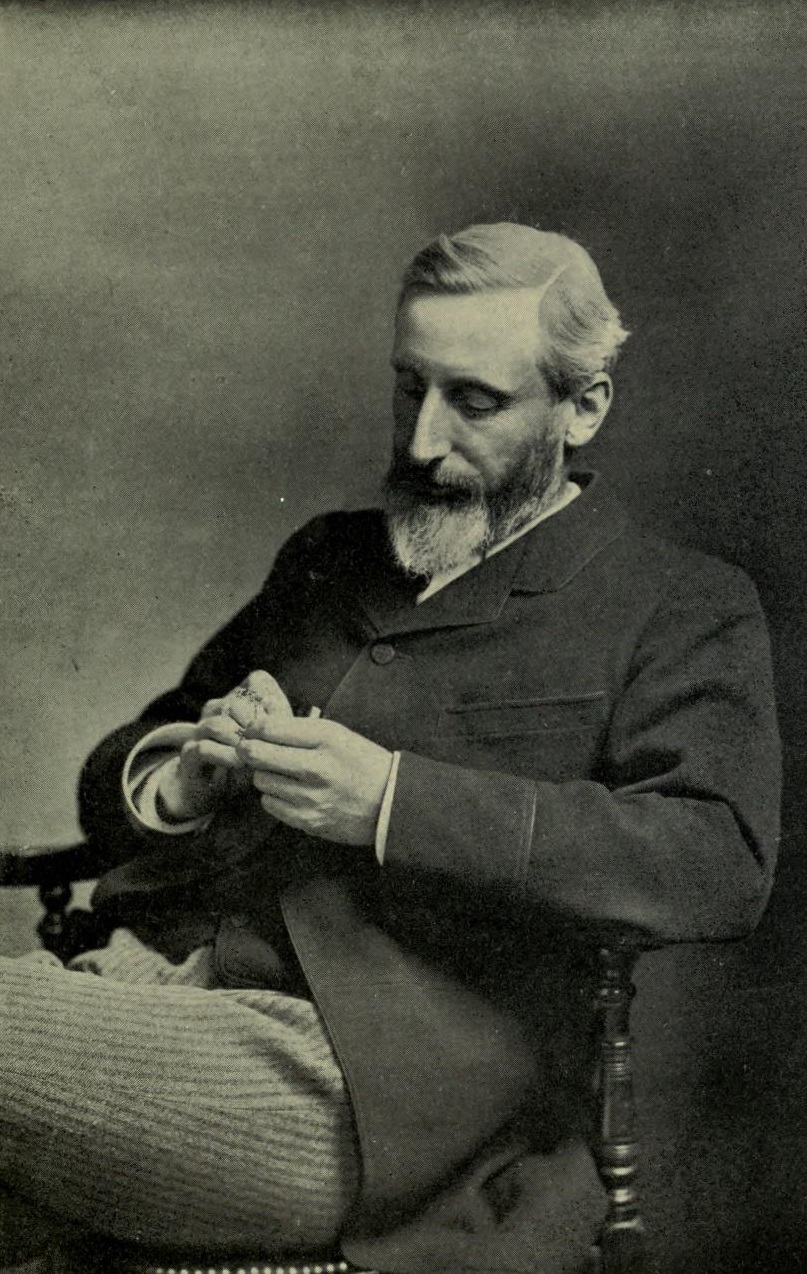










Link to this page
Add a free, dofollow link to Lex on your blog, forum, syllabus, or reading list.

<a href="https://lex-books.com/author/henry-a-beers"><img src="https://lex-books.com/badges/read-on-lex.svg" alt="Henry A. Beers on Lex" width="160" height="40"></a>[](https://lex-books.com/author/henry-a-beers)[url=https://lex-books.com/author/henry-a-beers][img]https://lex-books.com/badges/read-on-lex.svg[/img][/url]Henry A. Beers on Lex: https://lex-books.com/author/henry-a-beers