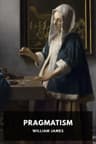
Pragmatism: A New Name for Some Old Ways of Thinking
1907
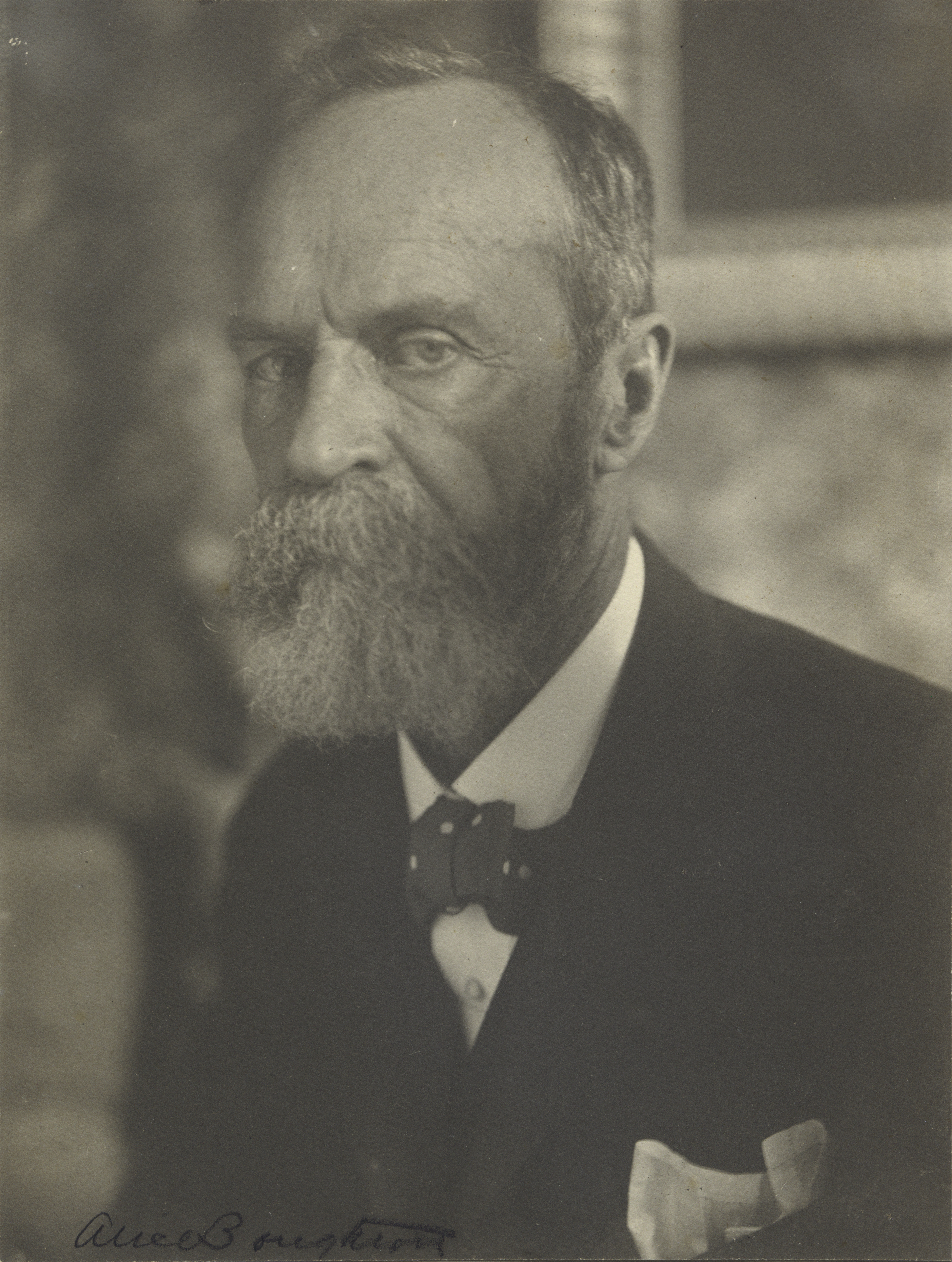
William James detonates a philosophical bomb in these lectures: ideas are not true because they correspond to some abstract reality, but because they work in practice. This is pragmatism, the most distinctly American philosophy, and James is its charismatic evangelist. He argues that truth must be tested in the marketplace of actual experience, not in metaphysical speculation or rationalist abstraction. The meaning of any idea, whether philosophical, political, or personal, lies in its concrete consequences for human life. James mounts a vigorous attack on transcendental and rationalist traditions, defending an empiricism that refuses to dismiss the human need for meaning and ideals. The eternal conflict between the tender-minded and the tough-minded, between those who crave abstract certainty and those who trust only hard facts, James offers a way forward that honors both. This is philosophy not as ivory tower contemplation but as a living instrument for navigating existence.
Editions
X-Ray
“Philosophy is at once the most sublime and the most trivial of human pursuits. It works in the minutest crannies and it opens out the widest vistas.””
— William James
“I know that you, ladies and gentlemen, have a philosophy, each and all of you, and that the most interesting and important thing about you is the way in which it determines the perspective in your several worlds.””
— William James
“There is, it must be confessed, a curious fascination in hearing deep things talked about, even tho neither we nor the disputants understand them. We get the problematic thrill, we feel the presence of the vastness. Let a controversy begin in a smoking-room anywhere, about free-will or God's omniscience, or good and evil, and see how everyone in the place pricks up his ears. Philosophy's results concern us all most vitally, and philosophy's queerest arguments tickle agreeably our sense of subtlety and ingenuity.””
— William James
“First, you know, a new theory is attacked as absurd; then it is admitted to be true, but obvious and insignificant; finally it is seen to be so important that its adversaries claim that they themselves discovered it.””
— William James
“It is astonishing to see how many philosophical disputes collapse into insignificance the moment you subject them to this simple test of tracing a concrete consequence.””
— William James
“Theologians have by this time stretched their minds so as to embrace the darwinian facts, and yet to interpret them as still showing divine purpose. It used to be a question of purpose AGAINST mechanism, of one OR the other. It was as if one should say "My shoes are evidently designed to fit my feet, hence it is impossible that they should have been produced by machinery.””
— William James
“The notion of God, on the other hand, however inferior it may be in clearness to those mathematical notions so current in mechanical philosophy, has at least this practical superiority over them, that it guarantees an ideal order that shall be permanently preserved.””
— William James
“Matter is indeed infinitely and incredibly refined. To anyone who has ever looked on the face of a dead child or parent the mere fact that matter could have taken for a time that precious form, ought to make matter sacred ever after. It makes no difference what the principle of life may be, material or immaterial, matter at any rate cooperates, lends itself to all life's purposes. That beloved incarnation was among matter's possibilities.””
— William James
“The pragmatic method is primarily a method of settling metaphysical disputes that otherwise might be interminable. Is the world one or many?”
— William James
Link to this book
Add a free, dofollow link to Lex on your blog, forum, syllabus, or reading list.

<a href="https://lex-books.com/book/pragmatism-a-new-name-for-some-old-ways-of-thinking-b2c145d2-d34f-4073-a439-f9188ab450b0"><img src="https://lex-books.com/badges/read-on-lex.svg" alt="Read Pragmatism: A New Name for Some Old Ways of Thinking by William James free on Lex" width="160" height="40"></a>[](https://lex-books.com/book/pragmatism-a-new-name-for-some-old-ways-of-thinking-b2c145d2-d34f-4073-a439-f9188ab450b0)[url=https://lex-books.com/book/pragmatism-a-new-name-for-some-old-ways-of-thinking-b2c145d2-d34f-4073-a439-f9188ab450b0][img]https://lex-books.com/badges/read-on-lex.svg[/img][/url]Read Pragmatism: A New Name for Some Old Ways of Thinking by William James free on Lex: https://lex-books.com/book/pragmatism-a-new-name-for-some-old-ways-of-thinking-b2c145d2-d34f-4073-a439-f9188ab450b0Cite this book
Reading this edition for a paper or guide? Copy a citation.
James, William. Pragmatism: A New Name for Some Old Ways of Thinking. Lex, lex-books.com/book/pragmatism-a-new-name-for-some-old-ways-of-thinking-b2c145d2-d34f-4073-a439-f9188ab450b0.James, W. (1907). Pragmatism: A New Name for Some Old Ways of Thinking. Lex. https://lex-books.com/book/pragmatism-a-new-name-for-some-old-ways-of-thinking-b2c145d2-d34f-4073-a439-f9188ab450b0James, William. Pragmatism: A New Name for Some Old Ways of Thinking. Lex. https://lex-books.com/book/pragmatism-a-new-name-for-some-old-ways-of-thinking-b2c145d2-d34f-4073-a439-f9188ab450b0.