
Charles King
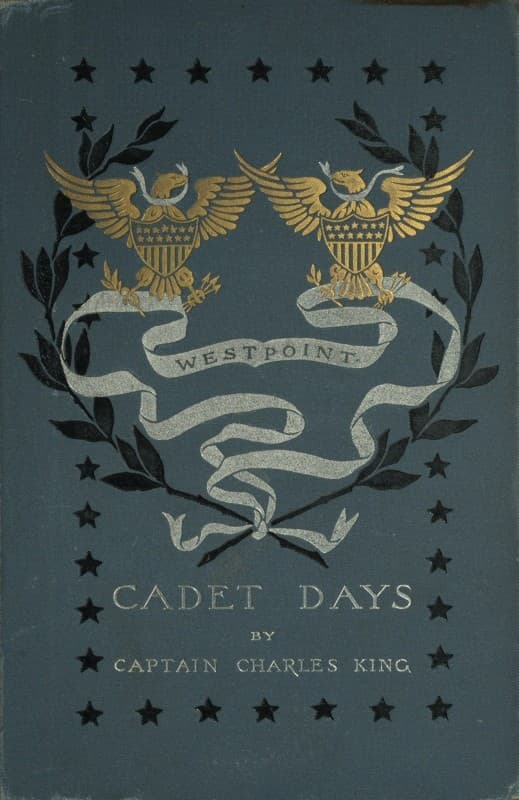
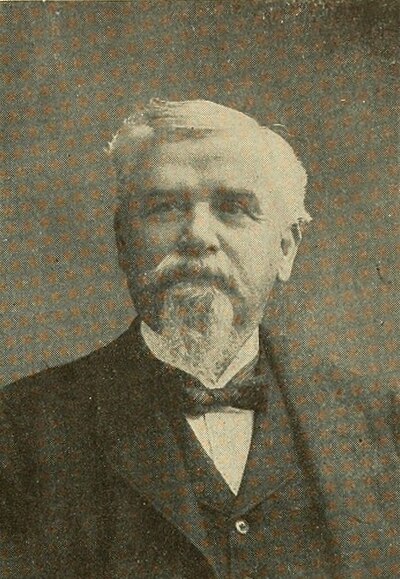
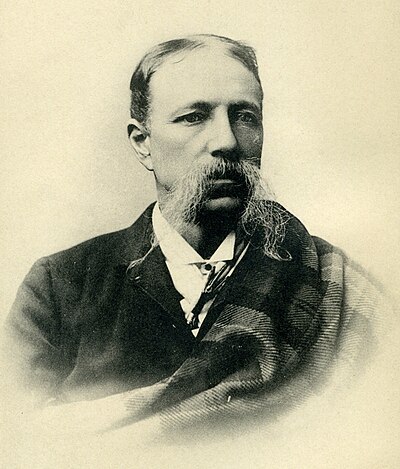
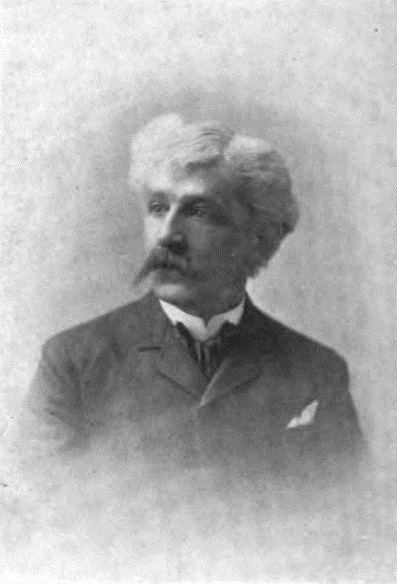
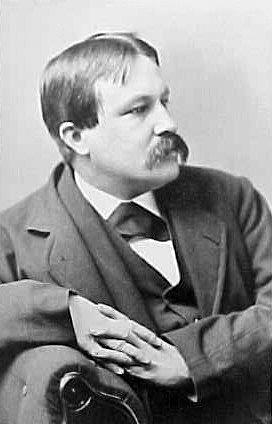
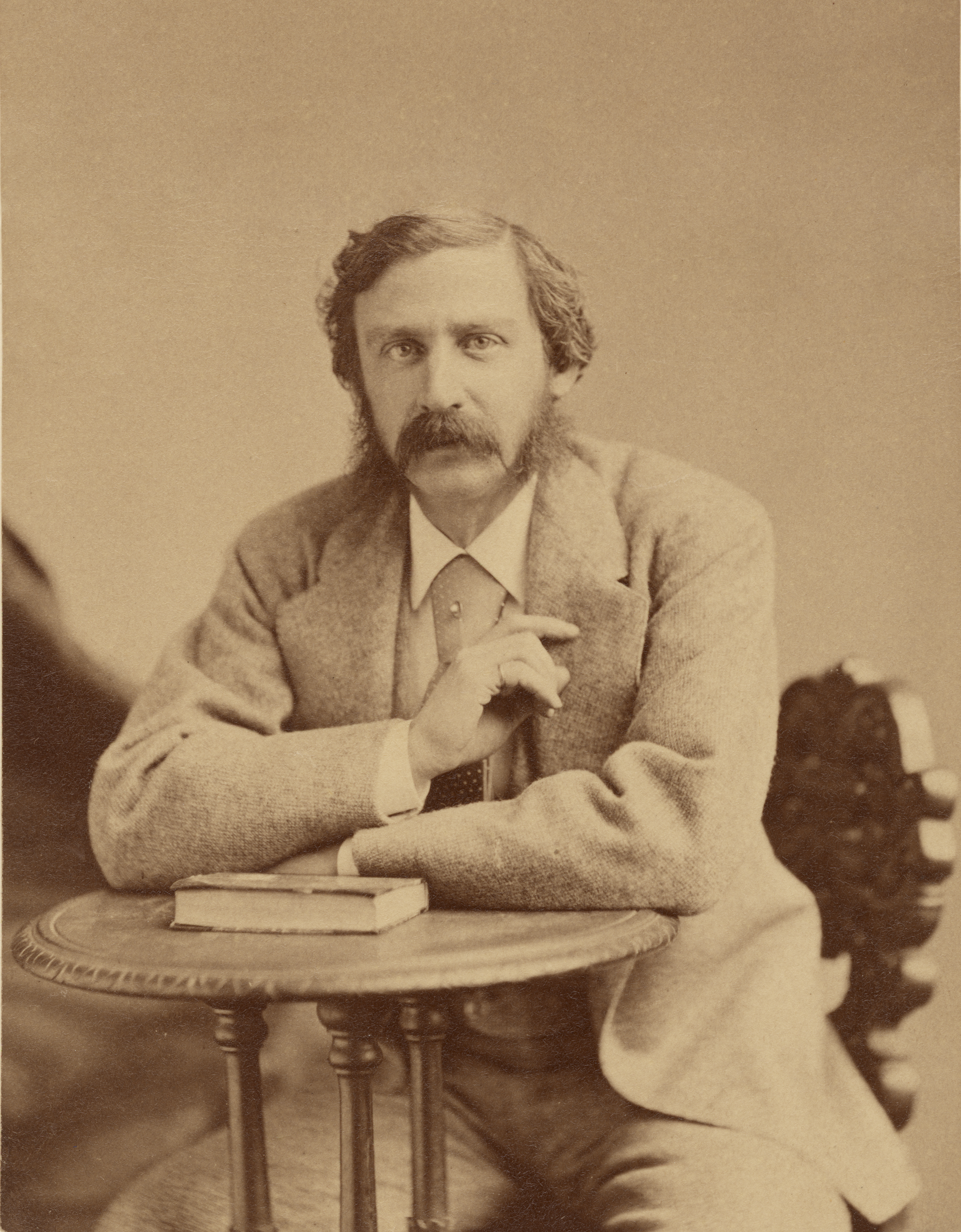
Charles King was an American soldier and writer, known for his vivid portrayals of military life and the experiences of soldiers. Born in 1844, he served in the Union Army during the Civil War, which profoundly influenced his literary career. King's firsthand experiences in the military provided a rich backdrop for his writing, allowing him to capture the complexities of soldiering with authenticity and depth. He authored numerous novels, including 'The Colonel's Daughter' and 'A Soldier's Daughter,' which reflected both the valor and the challenges faced by those in uniform. King's literary significance lies in his ability to blend his military background with storytelling, making him one of the early chroniclers of American military life in fiction. His works often explored themes of honor, duty, and the personal sacrifices of soldiers, resonating with readers who sought to understand the realities of war. Through his narratives, King contributed to the genre of military literature, influencing subsequent writers and shaping the portrayal of soldiers in American fiction. His legacy endures as a testament to the intersection of personal experience and literary expression in the context of American history.
Famous Quotes
View all 3 quotes“Cultures are cunning tailors. They cut garments from convenience and then work hard to reshape individuals to fit them.”
“If you found yourself upset at some other society’s customs, Boas argued, the truly scientific thing to do was to analyze your own reaction. It was probably a good clue to the things that your own culture held dear. The best data generator was your own sense of disgust.”
“Deviance of any type, she argued, was no more than a mismatch between an individual’s way of navigating through life and the catalog of behaviors and emotions that her society tended to prefer and value. Normalcy in any society was only an edited version of the grand text of all possible human behaviors; there was no reason to expect that every society would do the editing in precisely the same way. Ways of being in the world were abnormal only in the sense that the local context created “the psychic dilemmas of the socially unavailable.”
Books from the author






Link to this page
Add a free, dofollow link to Lex on your blog, forum, syllabus, or reading list.

<a href="https://lex-books.com/author/charles-king"><img src="https://lex-books.com/badges/read-on-lex.svg" alt="Charles King on Lex" width="160" height="40"></a>[](https://lex-books.com/author/charles-king)[url=https://lex-books.com/author/charles-king][img]https://lex-books.com/badges/read-on-lex.svg[/img][/url]Charles King on Lex: https://lex-books.com/author/charles-king