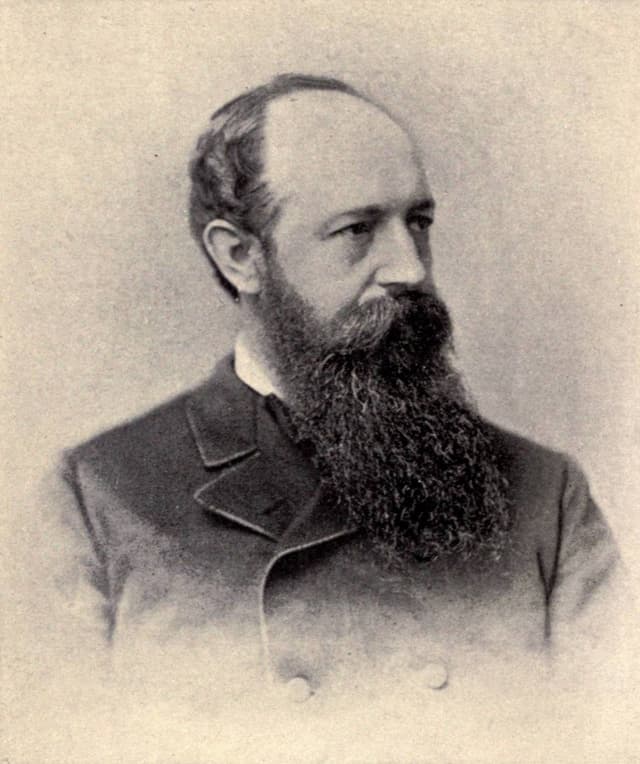
Edward Payson Roe
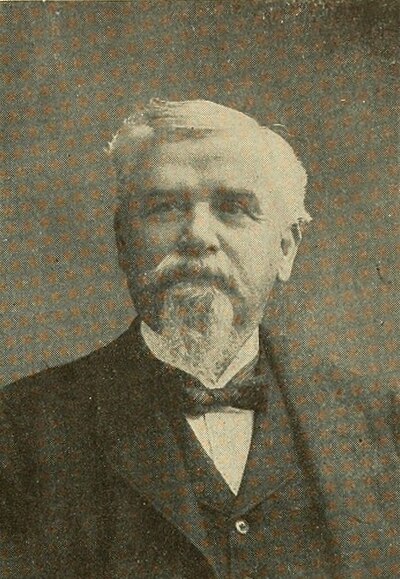
Edward Payson Roe was an American novelist, Presbyterian minister, and horticulturist known for his contributions to 19th-century literature. Born in a religious family, he became a minister and infused his writings with themes of morality, faith, and social issues. His novels often depicted the struggles and triumphs of ordinary people, reflecting the complexities of American life during his time. Notable works such as 'Barriers Burned Away' and 'A Knight of the Nineteenth Century' showcased his ability to blend romance with social commentary, making him a significant figure in the genre of domestic fiction. Roe's literary significance lies in his exploration of contemporary issues such as class disparity and the role of women in society, which resonated with readers of his era. His storytelling was characterized by a strong moral compass, often advocating for personal integrity and social responsibility. Despite being overshadowed by contemporaries like Louisa May Alcott and Harriet Beecher Stowe, Roe's work remains an important part of American literary history, reflecting the values and challenges of the post-Civil War period. His legacy endures through his novels, which continue to be studied for their insights into the social fabric of 19th-century America.
Famous Quotes
View all 3 quotes“Look at us, said the violets blooming at her feet, all last winter we slept in the seeming death but at the right time God awakened us, and here we are to comfort you.”
“People will have their excitements, and a good rousing persecution used to stir things like the burning of Chicago or a Presidential election in our day.”
“And what reservoir is more inexhaustible than the love of a heart like hers?—a love born as naturally and unconsciously as life itself—that, when discovered, changes existence by a sudden kaleidoscopic turn, compelling all within and without to pass at once into new arrangement and combination—that inspires heroic, patient effort, self-denial, and even self-sacrifice.”
Books from the author


Link to this page
Add a free, dofollow link to Lex on your blog, forum, syllabus, or reading list.

<a href="https://lex-books.com/author/edward-payson-roe"><img src="https://lex-books.com/badges/read-on-lex.svg" alt="Edward Payson Roe on Lex" width="160" height="40"></a>[](https://lex-books.com/author/edward-payson-roe)[url=https://lex-books.com/author/edward-payson-roe][img]https://lex-books.com/badges/read-on-lex.svg[/img][/url]Edward Payson Roe on Lex: https://lex-books.com/author/edward-payson-roe