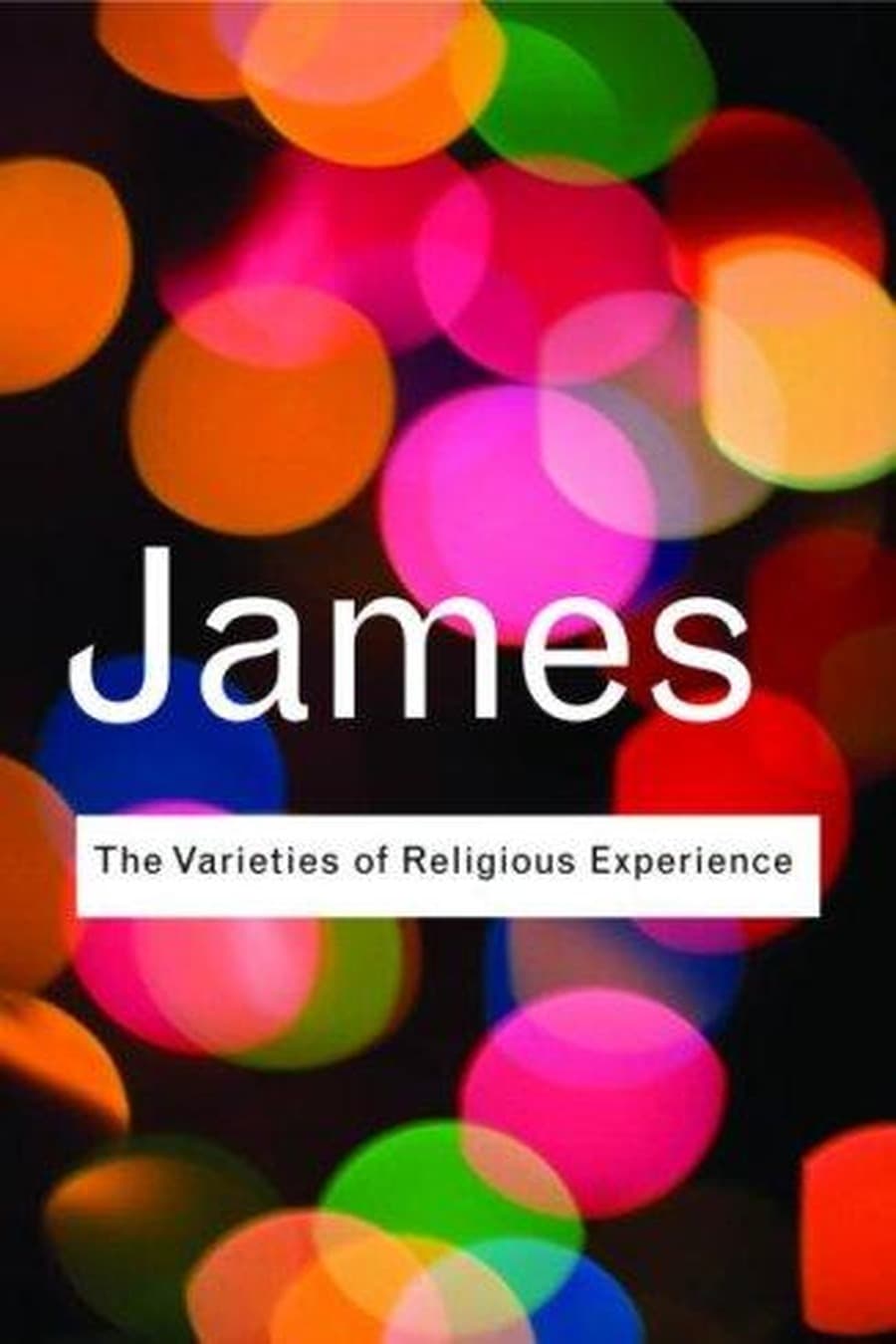
The Varieties of Religious Experience: A Study in Human Nature
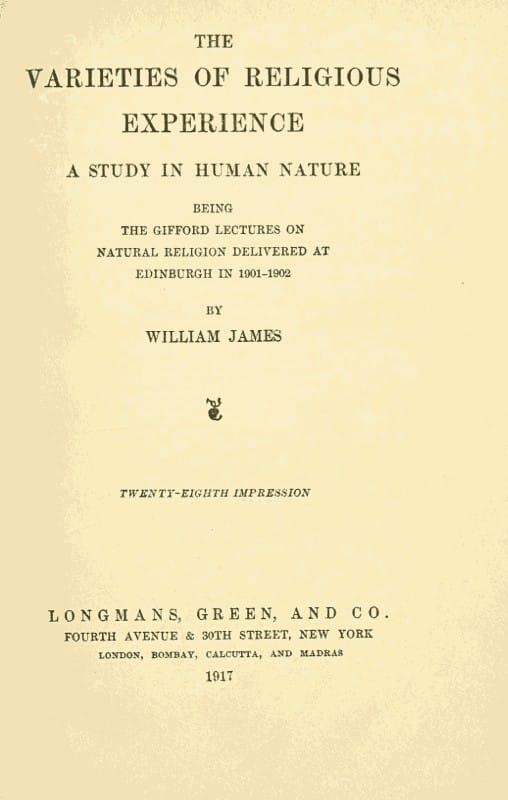
The Varieties of Religious Experience: A Study in Human Nature
In 1901, William James traveled to Edinburgh to deliver a series of lectures that would permanently alter how we understand the intersection of mind and spirit. Rather than examining religious institutions or theological doctrines, James turned his psychological lens on the raw, personal encounters that constitute genuine religiosity: the convert's sudden transformation, the mystic's illumination, the saint's unwavering devotion. What emerges is a rigorous and surprisingly passionate investigation into the mechanics of the divided self and how encounters with what individuals perceive as the divine can either torment or redeem them. James argues fiercely against the medical materialism of his day, refusing to reduce profound spiritual experiences to mere brain chemistry. He insists that these experiences must be understood on their own terms, as psychological facts of enormous significance. The lectures culminate in a radical argument for religious pluralism: that the divine cannot be captured by any single conception, but must mean "a group of qualities" through which different individuals, following different paths, may each find their worthy mission. A century later, this remains one of the most beautiful and serious works of nonfiction in the English language.
Editions
X-Ray
“Good-humor is a philosophic state of mind; it seems to say to Nature that we take her no more seriously than she takes us. I maintain that one should always talk of philosophy with a smile.””
— William James
“Knowledge about life is one thing; effective occupation of a place in life, with its dynamic currents passing through your being, is another.””
— William James
“There are two lives, the natural and the spiritual, and we must lose the one before we can participate in the other.””
— William James
“I am no lover of disorder and doubt as such. Rather I fear to lose truth by the pretension to possess it already wholly.””
— William James
“It does not follow, because our ancestors made so many errors of fact and mixed them with their religion, that we should therefore leave off being religious at all. By being religious we establish ourselves in possession of ultimate reality at the only points at which reality is given us to guard. Our responsible concern is with our private destiny, after all.””
— William James
“The perfect stillness of the night was thrilled by a more solemn silence. The darkness held a presence that was all the more felt because it was not seen. I could not any more have doubted that HE was there than that I was. Indeed, I felt myself to be, if possible, the less real of the two.””
— William James
“Were one asked to characterize the life of religion in the broadest and most general terms possible, one might say that it consists of the belief that there is an unseen order, and our supreme good lies in harmoniously adjusting ourselves thereto.””
— William James
“The lunatic's visions of horror are all drawn from the material of daily fact. Our civilization is founded on the shambles, and every individual existence goes out in a lonely spasm of helpless agony.””
— William James
“Thus, when a superior intellect and a psychopathic temperament coalesce...in the same individual, we have the best possible conditions for the kind of effective genius that gets into the biographical dictionaries. Such men do not remain mere critics and understanders with their intellect. Their ideas posses them, they inflict them, for better or worse, upon their companions or their age.””
— William James
Link to this book
Add a free, dofollow link to Lex on your blog, forum, syllabus, or reading list.

<a href="https://lex-books.com/book/the-varieties-of-religious-experience-a-study-in-human-nature-6d258439-cb62-40ba-a4d4-d263103fe770"><img src="https://lex-books.com/badges/read-on-lex.svg" alt="Read The Varieties of Religious Experience: A Study in Human Nature by William James free on Lex" width="160" height="40"></a>[](https://lex-books.com/book/the-varieties-of-religious-experience-a-study-in-human-nature-6d258439-cb62-40ba-a4d4-d263103fe770)[url=https://lex-books.com/book/the-varieties-of-religious-experience-a-study-in-human-nature-6d258439-cb62-40ba-a4d4-d263103fe770][img]https://lex-books.com/badges/read-on-lex.svg[/img][/url]Read The Varieties of Religious Experience: A Study in Human Nature by William James free on Lex: https://lex-books.com/book/the-varieties-of-religious-experience-a-study-in-human-nature-6d258439-cb62-40ba-a4d4-d263103fe770Cite this book
Reading this edition for a paper or guide? Copy a citation.
James, William. The Varieties of Religious Experience: A Study in Human Nature. Lex, lex-books.com/book/the-varieties-of-religious-experience-a-study-in-human-nature-6d258439-cb62-40ba-a4d4-d263103fe770.James, W. (n.d.). The Varieties of Religious Experience: A Study in Human Nature. Lex. https://lex-books.com/book/the-varieties-of-religious-experience-a-study-in-human-nature-6d258439-cb62-40ba-a4d4-d263103fe770James, William. The Varieties of Religious Experience: A Study in Human Nature. Lex. https://lex-books.com/book/the-varieties-of-religious-experience-a-study-in-human-nature-6d258439-cb62-40ba-a4d4-d263103fe770.