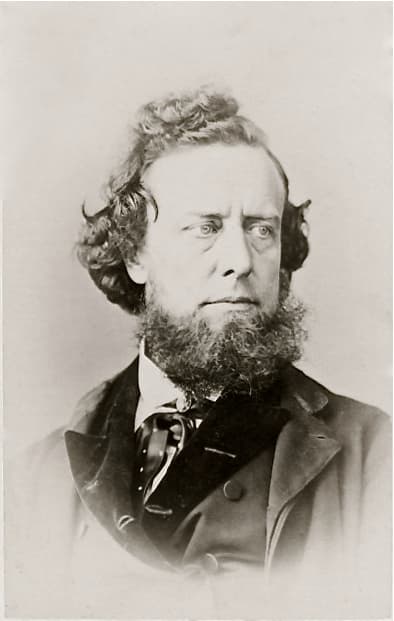
William Hepworth Dixon
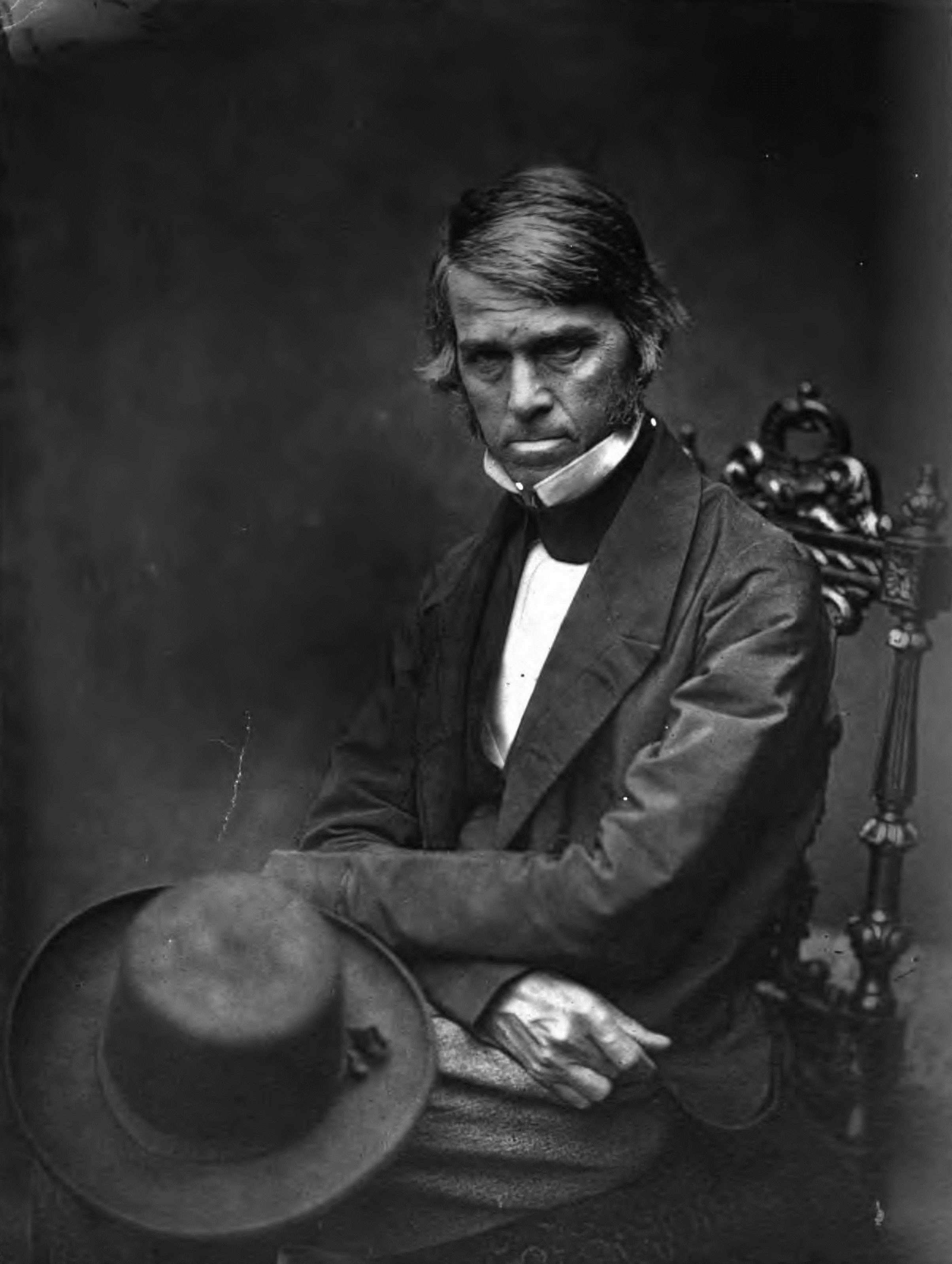
William Hepworth Dixon was an English historian and traveler known for his contributions to 19th-century literature and historical writing. Born in Manchester, he became a prominent figure in the cultural landscape of Victorian England, particularly noted for his role in organizing the Great Exhibition of 1851, which showcased industrial advancements and artistic achievements. His experiences as a traveler informed much of his writing, allowing him to blend historical narrative with personal observation, a style that was somewhat innovative for his time. Dixon authored several significant works, including 'New America,' which provided a detailed account of the United States during a transformative period, and 'The Holy Land,' a travelogue that explored the historical and cultural significance of the region. His writings often reflected his progressive views on social issues, including the rights of women and the importance of education. Dixon's literary significance lies in his ability to merge travel writing with historical commentary, influencing future generations of writers and historians. His legacy endures as a voice of his time, capturing the complexities of societal change and the spirit of exploration in the 19th century.
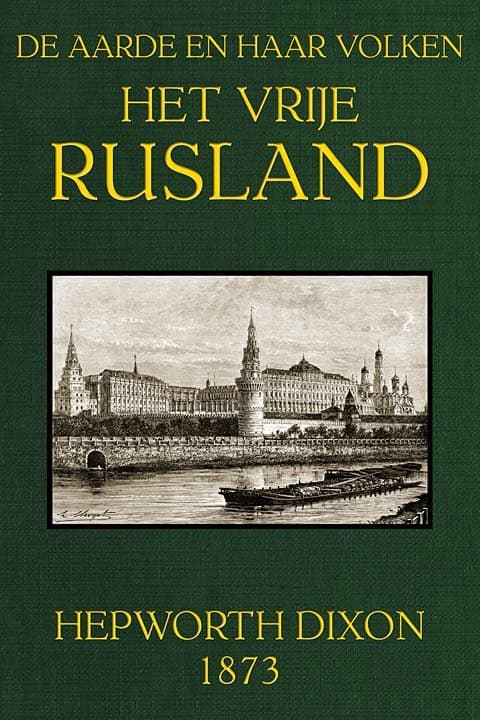
Books from the author




Link to this page
Add a free, dofollow link to Lex on your blog, forum, syllabus, or reading list.

<a href="https://lex-books.com/author/william-hepworth-dixon"><img src="https://lex-books.com/badges/read-on-lex.svg" alt="William Hepworth Dixon on Lex" width="160" height="40"></a>[](https://lex-books.com/author/william-hepworth-dixon)[url=https://lex-books.com/author/william-hepworth-dixon][img]https://lex-books.com/badges/read-on-lex.svg[/img][/url]William Hepworth Dixon on Lex: https://lex-books.com/author/william-hepworth-dixon