William Bray
William Bray was an English priest known for his role as a chaplain to William Laud, the Archbishop of Canterbury. His influence extended into the realm of literature as he served as the licenser of publications for John Pocklington, a controversial figure in the Church of England. Bray's involvement in Pocklington's case highlighted the tensions within the church during a period of significant political and religious upheaval in England. His work reflected the complexities of ecclesiastical authority and the challenges faced by religious figures in navigating the turbulent waters of 17th-century England. Though not widely recognized for his own literary contributions, Bray's significance lies in his connections and the broader implications of his actions within the church. His role as a licenser positioned him at the intersection of religious doctrine and the burgeoning world of print, influencing how religious texts were disseminated and received. Bray's legacy is intertwined with the historical context of his time, marking him as a figure of interest for those studying the interplay between religion and literature in early modern England.
Famous Quotes
View all 5 quotes“The Devil answer'd: bray a fool in a morter with wheat, yet shall not his folly be beaten out of him; if Jesus Christ is the greatest man, you ought to love him in the greatest degree; now hear how he has given his sanction to the law of ten commandments: did he not mock at the sabbath, and so mock the sabbaths God? murder those who were murder'd because of him? turn away the law from the woman taken in adultery? steal the labor of others to support him? bear false witness when he omitted making a defense before Pilate? covet when he pray'd for his disciples, and when he bid them shake off the dust of their feet against such as refused to lodge them? I tell you, no virtue can exist without breaking these ten commandments; Jesus was all virtue, and acted from impulse, not from rules.””
“Therefore, they set about discovery experiments to determine which of the two possibilities were true, one the irreversible result of the other, or the two being interdependent.””
“Then, the near death experience, philosophy, and religion are discussed in detail.””
Books from the author
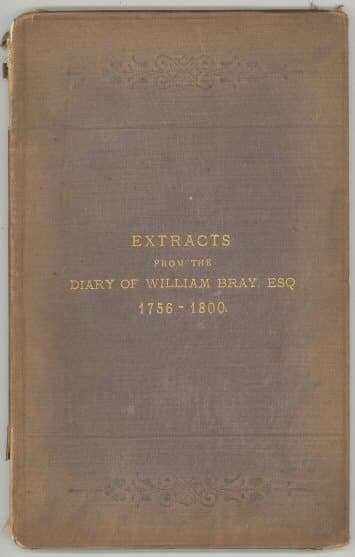


Link to this page
Add a free, dofollow link to Lex on your blog, forum, syllabus, or reading list.

<a href="https://lex-books.com/author/william-bray"><img src="https://lex-books.com/badges/read-on-lex.svg" alt="William Bray on Lex" width="160" height="40"></a>[](https://lex-books.com/author/william-bray)[url=https://lex-books.com/author/william-bray][img]https://lex-books.com/badges/read-on-lex.svg[/img][/url]William Bray on Lex: https://lex-books.com/author/william-bray