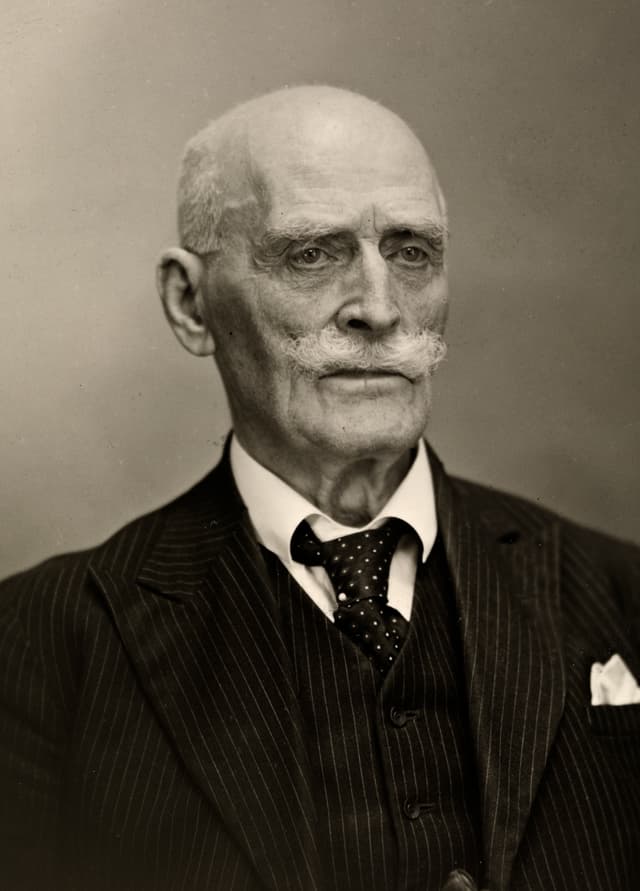
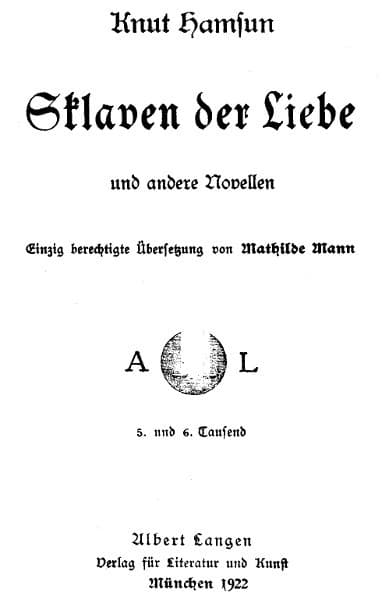
Knut Hamsun
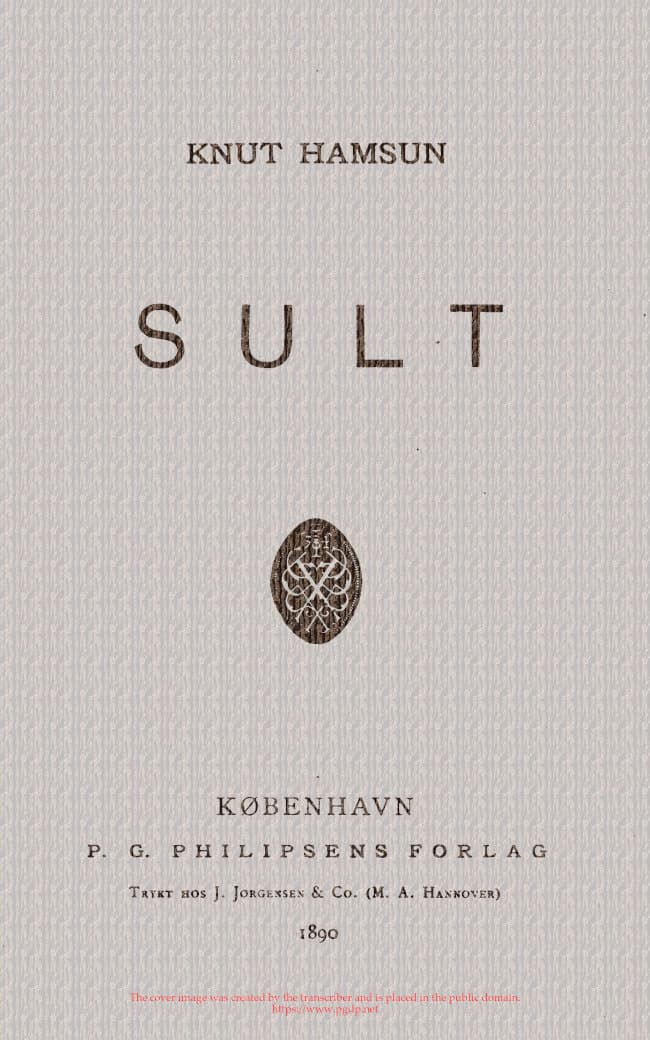
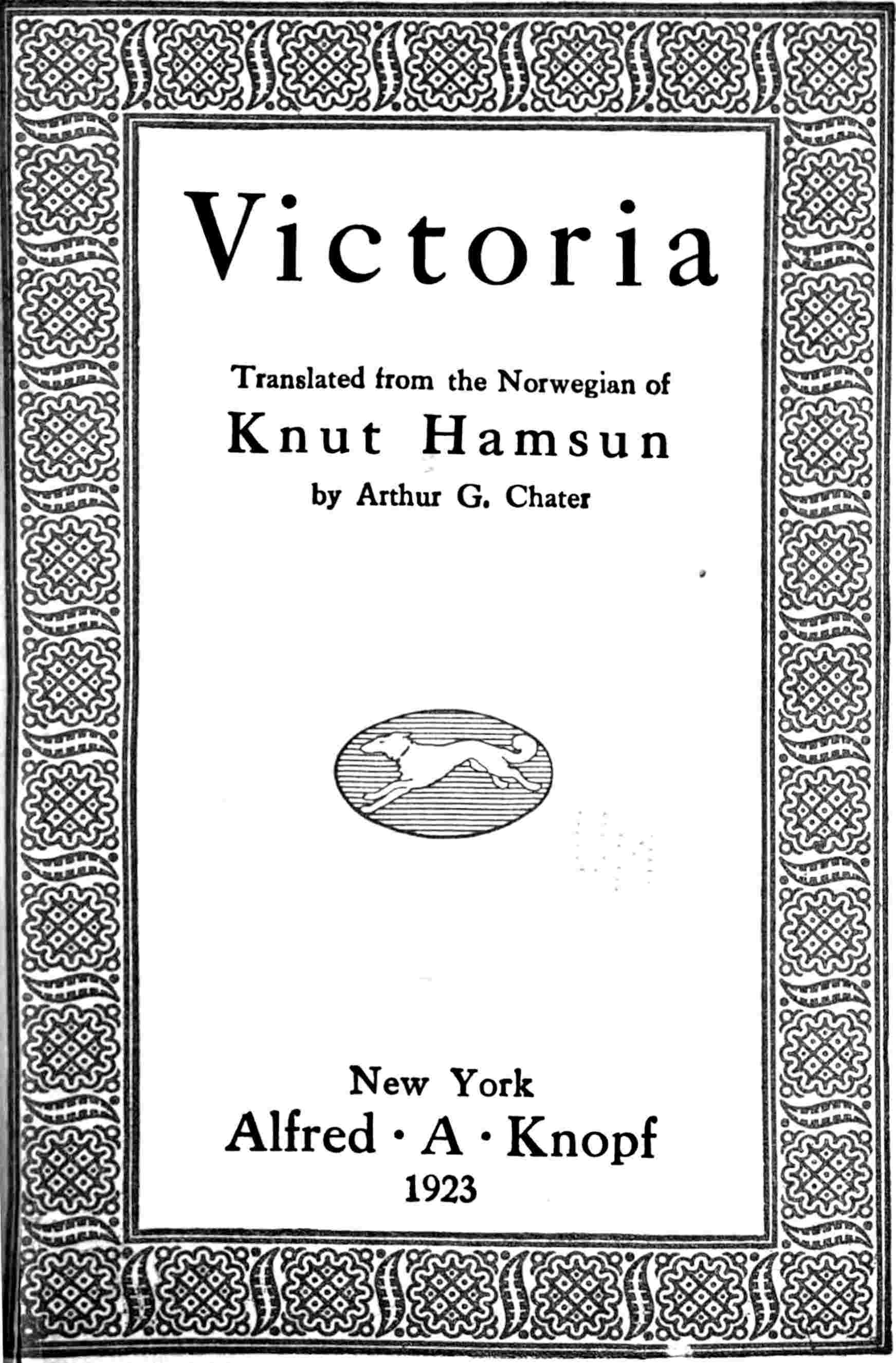
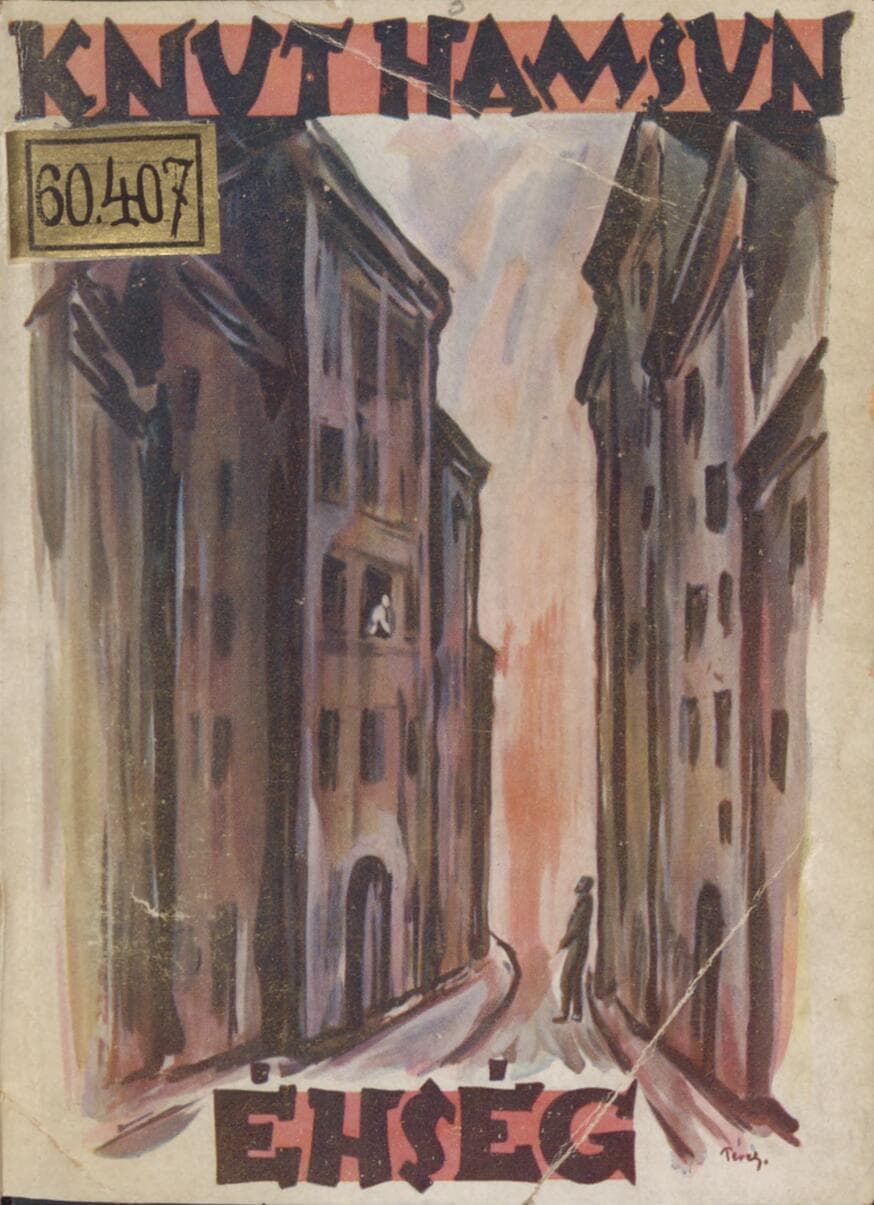
Knut Hamsun was a Norwegian writer renowned for his innovative contributions to literature, particularly in the realm of psychological fiction. Awarded the Nobel Prize in Literature in 1920, Hamsun's prolific career spanned over 70 years, during which he published more than 23 novels, alongside poetry, short stories, plays, and essays. His works, including the seminal novels 'Hunger' (1890), 'Mysteries' (1892), 'Pan' (1894), and 'Victoria' (1898), marked a departure from realism and naturalism, focusing instead on the complexities of the human mind. Hamsun's pioneering use of stream of consciousness and interior monologue set the stage for modernist literature, influencing a generation of writers such as Thomas Mann, Franz Kafka, and Ernest Hemingway. Hamsun's literary significance is underscored by his role as a leader of the Neo-Romantic movement at the turn of the 20th century. His later works, particularly the 'Nordland novels,' reflect the everyday life of rural Norway, infused with local dialect and a blend of irony and humor. Despite his controversial political views later in life, Hamsun's legacy as a transformative figure in literature remains intact, with his techniques and thematic explorations continuing to resonate in contemporary writing. The establishment of the Knut Hamsun Centre in 2009 further cements his enduring influence on the literary landscape.
Famous Quotes
View all 3 quotes“...I will exile my thoughts if they think of you again, and I will rip my lips out if they say your name once more. Now if you do exist, I will tell you my final word in life or in death, I tell you goodbye.”
“I love three things, I then say. I love a dream of love I once had, I love you, and I love this patch of earth. And which do you love best? The dream.”
“I suffered no pain, my hunger had taken the edge off; instead I felt pleasantly empty, untouched by everything around me and happy to be unseen by all. I put my legs up on the bench and leaned back, the best way to feel the true well-being of seclusion. There wasn't a cloud in my mind, nor did I feel any discomfort, and I hadn't a single unfulfilled desire or craving as far as my thought could reach. I lay with open eyes in a state of utter absence from myself and felt deliciously out of it.”
Books from the author


Link to this page
Add a free, dofollow link to Lex on your blog, forum, syllabus, or reading list.

<a href="https://lex-books.com/author/knut-hamsun"><img src="https://lex-books.com/badges/read-on-lex.svg" alt="Knut Hamsun on Lex" width="160" height="40"></a>[](https://lex-books.com/author/knut-hamsun)[url=https://lex-books.com/author/knut-hamsun][img]https://lex-books.com/badges/read-on-lex.svg[/img][/url]Knut Hamsun on Lex: https://lex-books.com/author/knut-hamsun