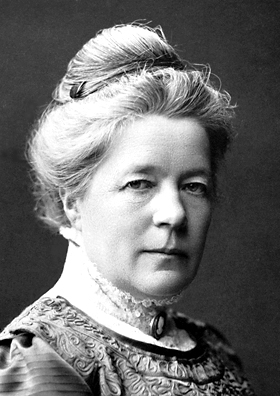
Selma Lagerlöf
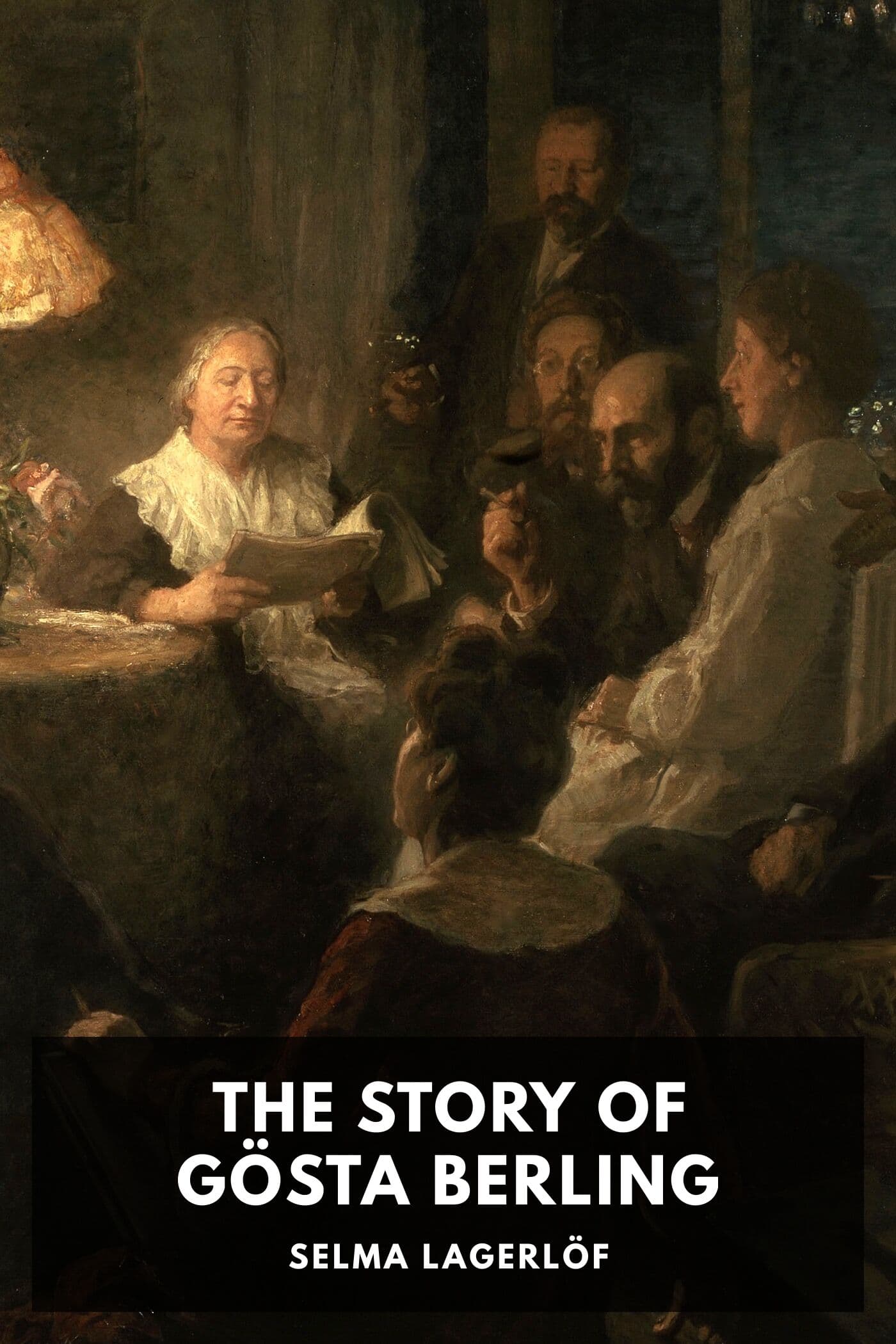
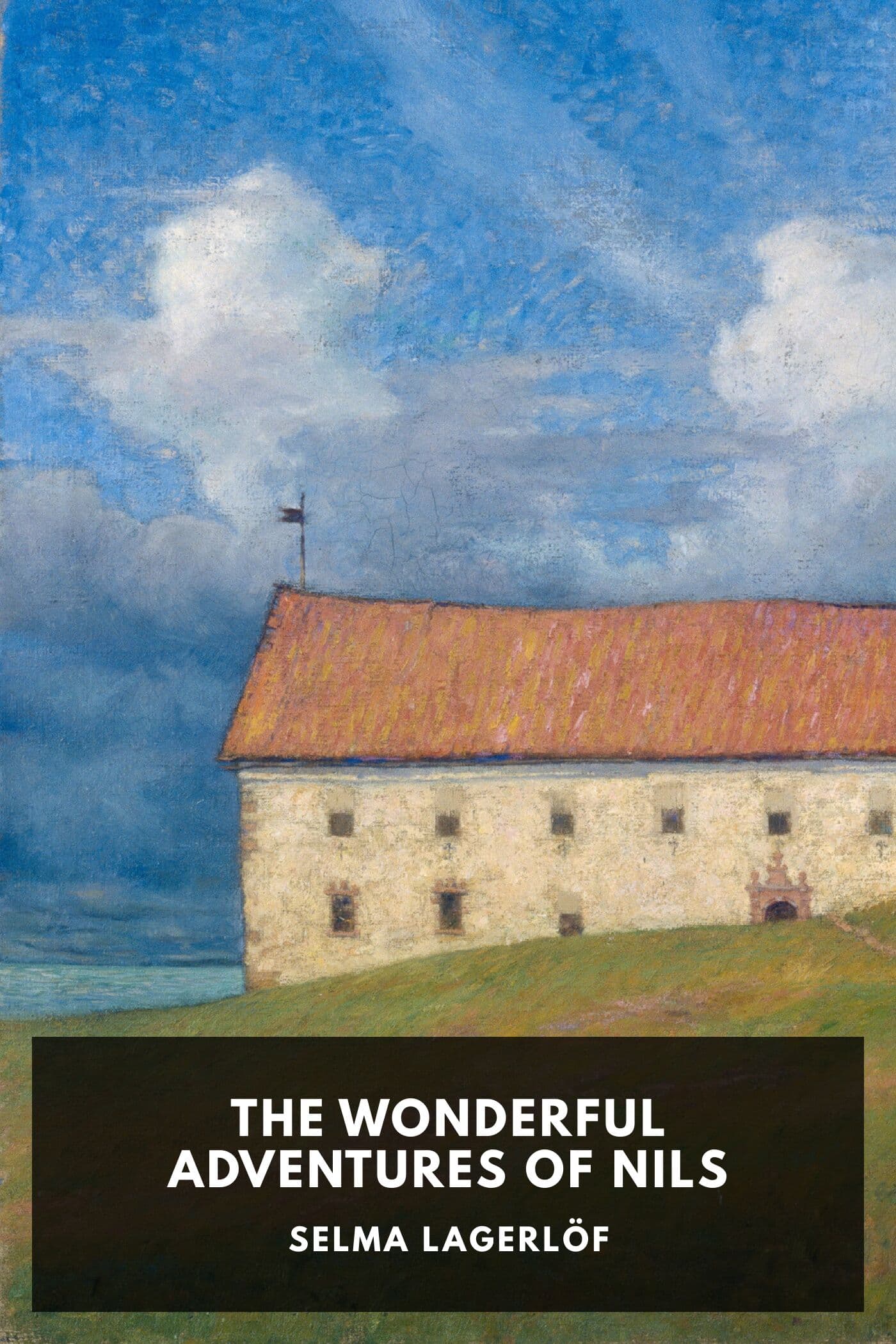
Selma Lagerlöf was a pioneering Swedish writer whose literary contributions significantly shaped the landscape of early 20th-century literature. She gained prominence with her debut novel, Gösta Berling's Saga, published when she was 33, which showcased her unique blend of realism and fantasy, drawing on Swedish folklore and her own experiences. Lagerlöf's narrative style and thematic depth earned her the distinction of being the first woman to receive the Nobel Prize in Literature in 1909, a landmark achievement that highlighted her influence and the importance of women's voices in literature. In addition to her Nobel recognition, Lagerlöf broke further barriers by becoming the first female member of the Swedish Academy in 1914. Her works, including The Wonderful Adventures of Nils and The Saga of Gösta Berling, not only captivated readers with their imaginative storytelling but also addressed social issues and the human condition. Lagerlöf's legacy endures as a trailblazer for women writers and a significant figure in Swedish literature, inspiring generations with her rich narratives and commitment to social justice.
Famous Quotes
View all 19 quotes“Nothing on earth can make up for the loss of one who has loved you.””
“Have you ever seen a child sitting on its mother’s knee listening to fairy stories? As long as the child is told of cruel giants and of the terrible suffering of beautiful princesses, it holds its head up and its eyes open; but if the mother begins to speak of happiness and sunshine, the little one closes its eyes and falls asleep with its head against her breast. . . . I am a child like that, too. Others may like stories of flowers and sunshine; but I choose the dark nights and sad destinies.””
“What Gosta,' he said to himself, 'can you no longer endure? You have been hardened in poverty all of your life; you have heard every tree in the forest, every tuft in the meadows preach to you of sacrifice and patience. You, brought up in a country where the winter is severe, and the summer joy is very short, have you forgotten the art of bearing your trials? 'Oh Gosta, a man must bear all that life gives him with a courageous heart and a smile on his lips, else he is no man. Sorrow as much as you will. If you love your beloved, let your conscience burn and chafe within you, but show yourself a man and a Varmlander. Let your glances beam with joy, and meet your friends with a gay word on your lips! Life and nature are hard. They bring forth courage and joy as a counterweight against their own hardness, or no one could endure them...””
Books from the author







Link to this page
Add a free, dofollow link to Lex on your blog, forum, syllabus, or reading list.

<a href="https://lex-books.com/author/selma-lagerlöf"><img src="https://lex-books.com/badges/read-on-lex.svg" alt="Selma Lagerlöf on Lex" width="160" height="40"></a>[](https://lex-books.com/author/selma-lagerlöf)[url=https://lex-books.com/author/selma-lagerlöf][img]https://lex-books.com/badges/read-on-lex.svg[/img][/url]Selma Lagerlöf on Lex: https://lex-books.com/author/selma-lagerlöf