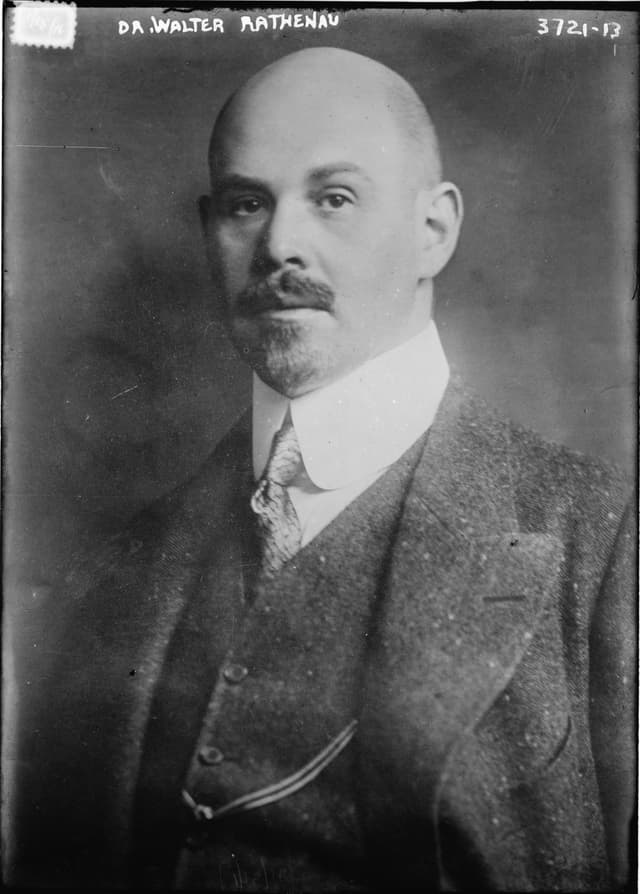
Walther Rathenau
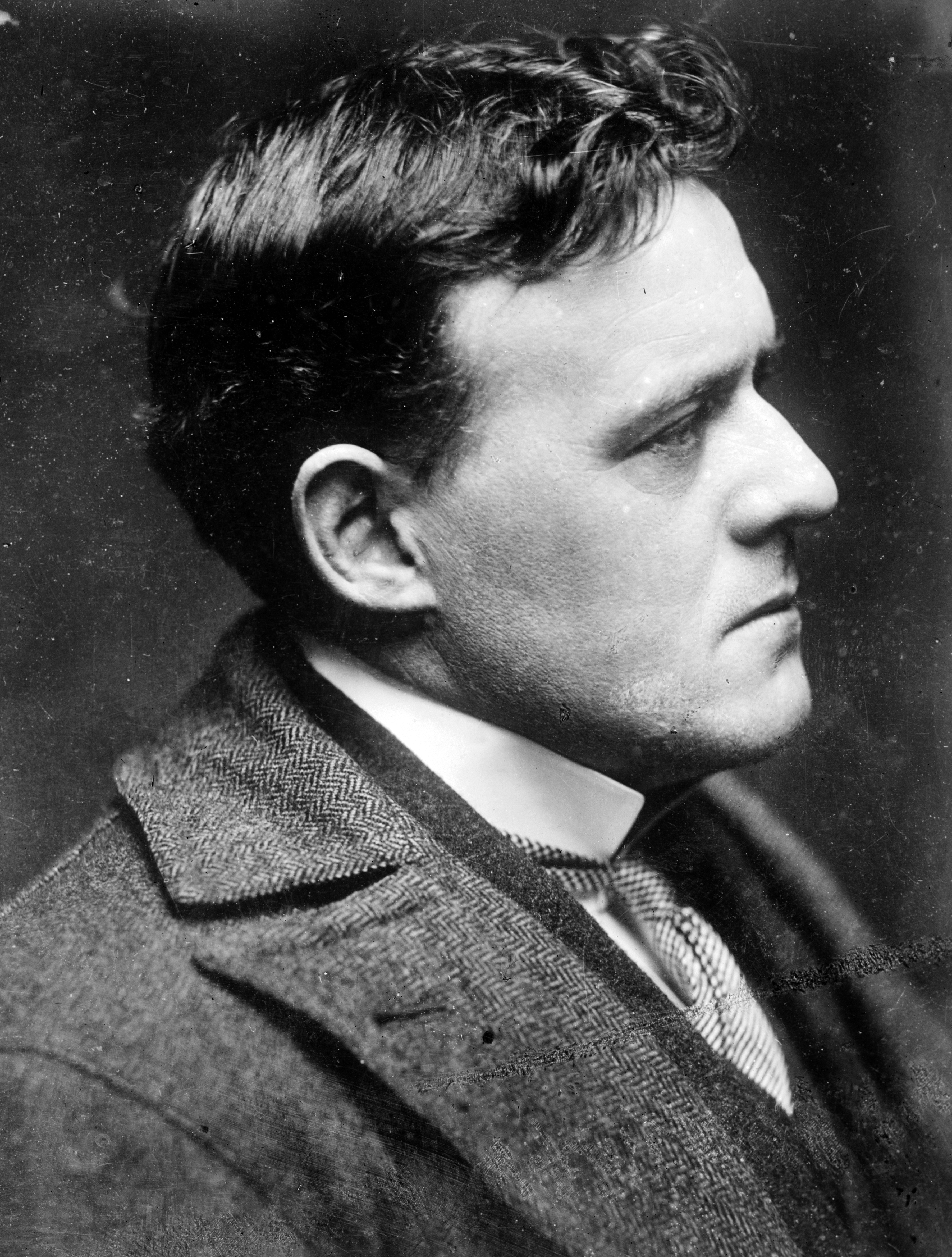
Walther Rathenau was a prominent German industrialist, writer, and politician whose influence extended into the tumultuous years of the Weimar Republic. Born into a Jewish family, he became a leading figure in the German economy during the late German Empire, notably organizing the war economy as head of the War Raw Materials Department during World War I. His expertise and leadership were pivotal in navigating the complexities of wartime resource management, which laid the groundwork for his later political career. After the war, Rathenau emerged as a significant political player, serving as the minister of reconstruction in 1921 and later as foreign minister. His most notable achievement was negotiating the 1922 Treaty of Rapallo, which reestablished diplomatic and economic relations between Germany and Soviet Russia. However, his efforts to stabilize Germany and fulfill the Treaty of Versailles obligations made him a target for right-wing nationalists, who accused him of being part of a Jewish-communist conspiracy. Rathenau's assassination in June 1922 marked a tragic end to a life dedicated to fostering peace and economic recovery in a fractured nation, leaving a complex legacy that intertwined industrial innovation with the fraught politics of his time.
Famous Quotes
View all 1 quotes“Je problematischer der Charakter, desto problemloser erscheint ihm die Welt.”
Books from the author



Link to this page
Add a free, dofollow link to Lex on your blog, forum, syllabus, or reading list.

<a href="https://lex-books.com/author/walther-rathenau"><img src="https://lex-books.com/badges/read-on-lex.svg" alt="Walther Rathenau on Lex" width="160" height="40"></a>[](https://lex-books.com/author/walther-rathenau)[url=https://lex-books.com/author/walther-rathenau][img]https://lex-books.com/badges/read-on-lex.svg[/img][/url]Walther Rathenau on Lex: https://lex-books.com/author/walther-rathenau