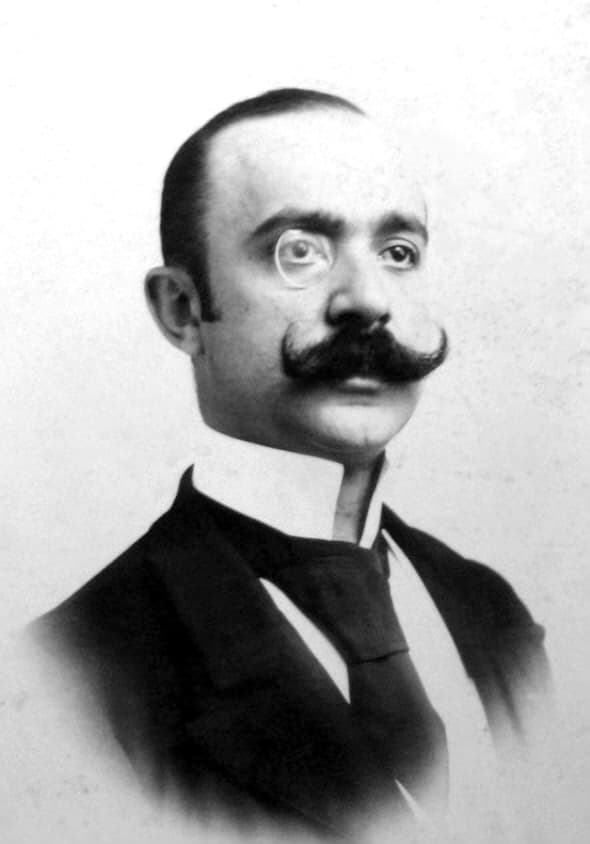
Federico De Roberto
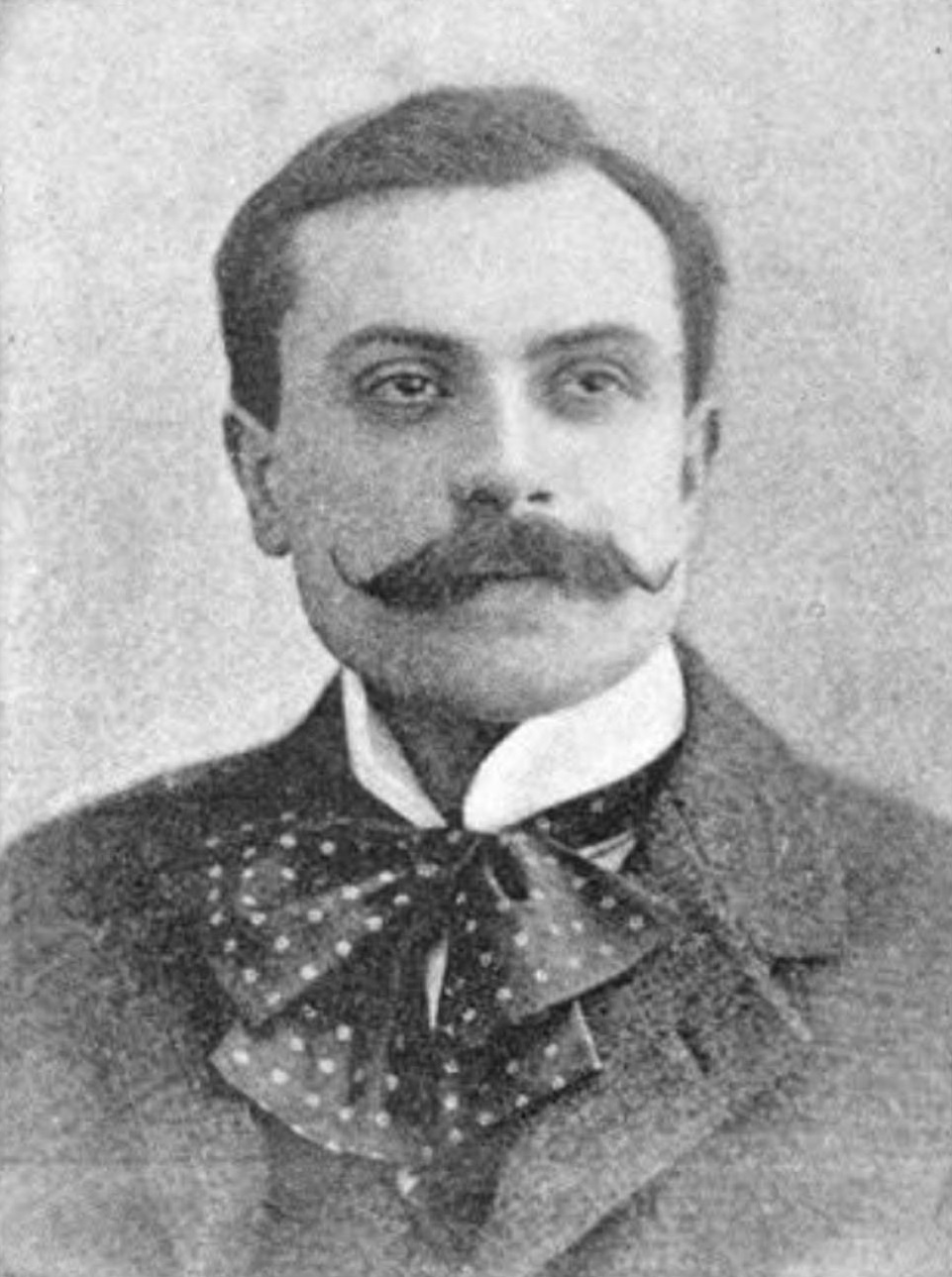
Federico De Roberto was an influential Italian novelist recognized for his profound exploration of Sicilian society and history. Born in Catania, he grew up in a culturally rich environment that deeply informed his literary voice. His most notable work, 'I Viceré' (The Viceroys), published in 1894, is a historical novel that delves into the complexities of Sicilian aristocracy and the impact of colonial rule. The narrative intricately weaves personal and political themes, showcasing De Roberto's keen insight into the socio-political dynamics of his time. De Roberto's literary significance lies in his ability to blend realism with historical narrative, offering a critical perspective on the decline of the Sicilian nobility. His works often reflect a deep sense of place and identity, contributing to the broader Italian literary canon. Despite facing initial criticism, 'I Viceré' has since been recognized as a pivotal work that influenced subsequent generations of writers and historians. De Roberto's legacy endures as a key figure in Italian literature, whose exploration of themes such as power, corruption, and identity continues to resonate with scholars and readers alike.
Famous Quotes
View all 3 quotes“La storia è una monotona ripetizione; gli uomini sono stati, sono e saranno sempre gli stessi.”
“E non riconobbe che anche lei non lo amava più, che quell'amore non era l'amore sognato, che quell'uomo non le piaceva. [...]. La passione aveva legittimato il suo fallo: ella non voleva sentirsi dire che si era ingannata.”
“[...], ella pensò allo strano giuoco del destino, alla disperazione fatale delle intenzioni e dei sentimenti.”
Books from the author
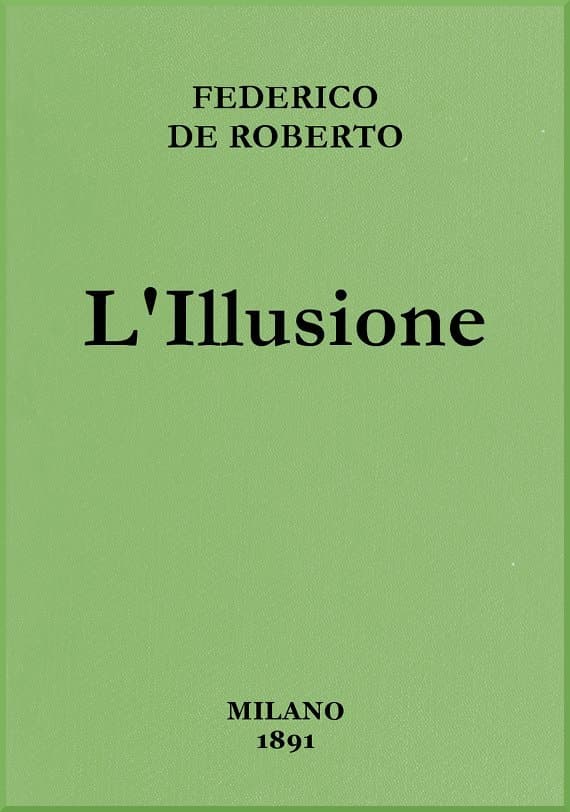


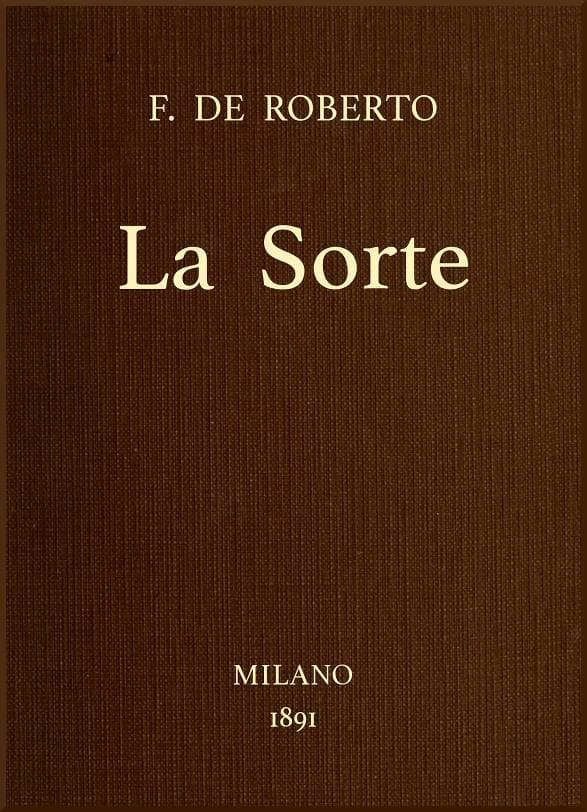








Link to this page
Add a free, dofollow link to Lex on your blog, forum, syllabus, or reading list.

<a href="https://lex-books.com/author/federico-de-roberto"><img src="https://lex-books.com/badges/read-on-lex.svg" alt="Federico De Roberto on Lex" width="160" height="40"></a>[](https://lex-books.com/author/federico-de-roberto)[url=https://lex-books.com/author/federico-de-roberto][img]https://lex-books.com/badges/read-on-lex.svg[/img][/url]Federico De Roberto on Lex: https://lex-books.com/author/federico-de-roberto