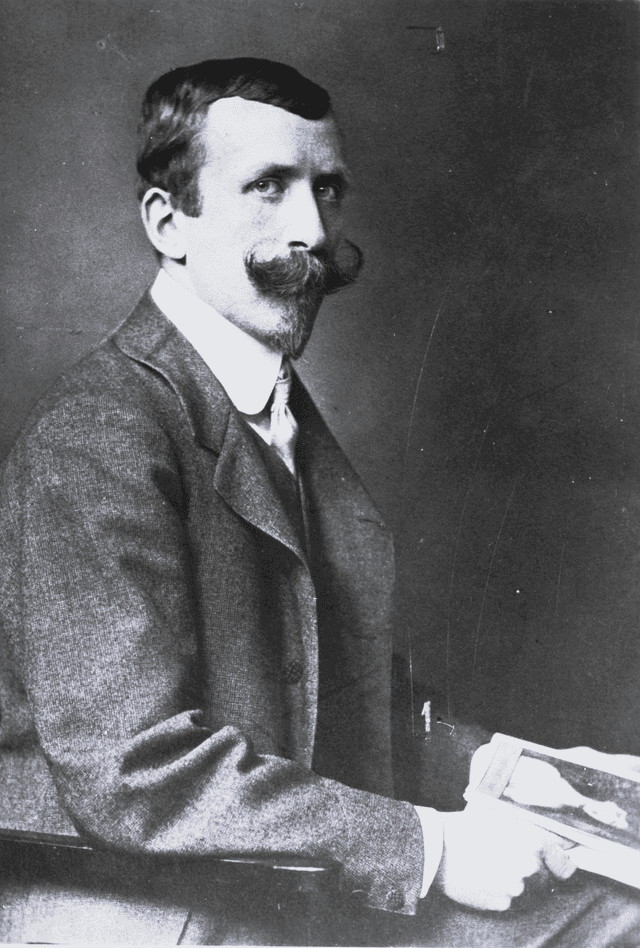
Heinrich Mann
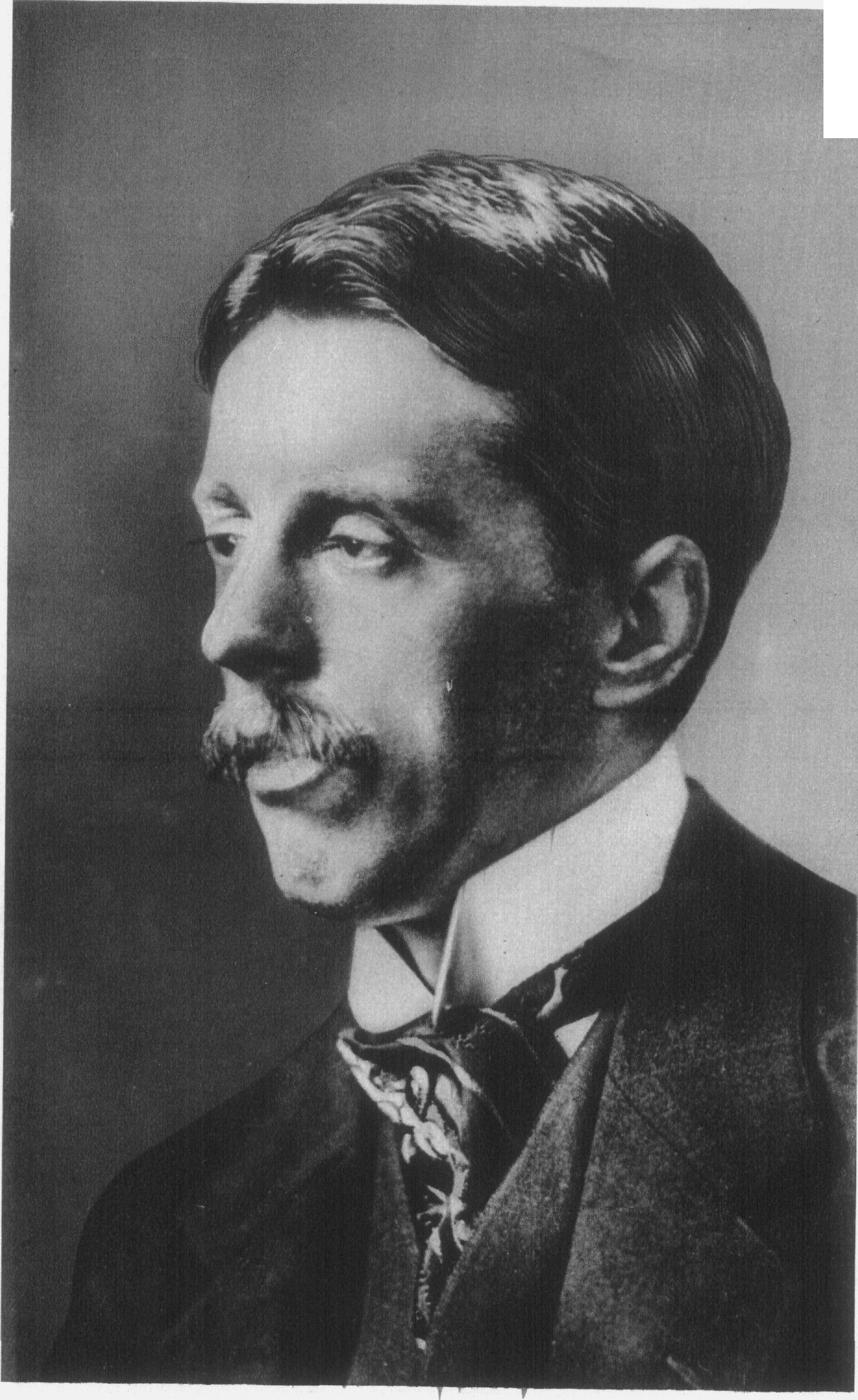
Heinrich Mann was a prominent German novelist and essayist, celebrated for his incisive sociopolitical commentary. Born into a literary family, he was the elder brother of the renowned writer Thomas Mann. Heinrich's works often explored themes of individualism and societal critique, with notable titles such as 'The Loyal Subject' and 'The Blue Angel,' which delved into the complexities of human nature and the moral dilemmas faced in a rapidly changing world. His writing was marked by a deep concern for social justice and a commitment to liberal ideals, which set him apart in the literary landscape of his time. As the rise of Fascism and Nazism threatened the cultural fabric of Germany, Mann became increasingly vocal in his opposition, using his platform as president of the fine poetry division of the Prussian Academy of Arts to advocate for freedom of expression. His outspoken criticism ultimately led to his exile in 1933, after the Nazis came to power. Heinrich Mann's legacy endures as a vital voice against totalitarianism, and his works continue to be studied for their profound insights into the human condition and the socio-political challenges of his era.
Famous Quotes
View all 3 quotes“Wer treten wollte, muß sich treten lassen.”
“Das Misstrauen gegen den Geist ist Misstrauen gegen den Menschen selbst, ist Mangel an Selbstvertrauen.”
“Es gibt Tage, wo das Leben übertrieben flau ist. Zu Bett gehen; weiter hilft nichts mehr.”
Books from the author












Link to this page
Add a free, dofollow link to Lex on your blog, forum, syllabus, or reading list.

<a href="https://lex-books.com/author/heinrich-mann"><img src="https://lex-books.com/badges/read-on-lex.svg" alt="Heinrich Mann on Lex" width="160" height="40"></a>[](https://lex-books.com/author/heinrich-mann)[url=https://lex-books.com/author/heinrich-mann][img]https://lex-books.com/badges/read-on-lex.svg[/img][/url]Heinrich Mann on Lex: https://lex-books.com/author/heinrich-mann