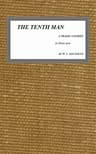
The Tenth Man: A Tragic Comedy in Three Acts
1913
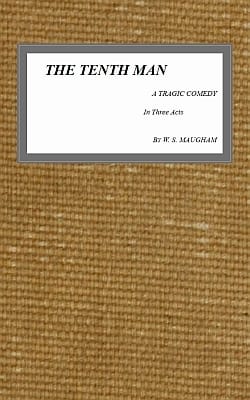
The Tenth Man: A Tragic Comedy in Three Acts
1913
London, 1913. Catherine Winter has left her husband George, a financier whose power stretches across drawing rooms and boardrooms alike. But leaving a powerful man is never simple, and Catherine finds herself trapped between her desire for autonomy and the devastating consequences of public judgment. Her father Lord Etchingham and the social world he inhabits must reckon with the fallout: a ruined reputation, financial machinations, and the terrible weight of choosing between family loyalty and moral integrity. Maugham constructs his tragic comedy with surgical precision, letting sharp dialogue mask deeper cruelties. The title refers to the tenth man needed for a jury to deliberate on a man's fate, suggesting that respectability itself becomes a court where judgment is rendered without trial. This is Maugham at his most incisive, exposing how love, money, and reputation form a triangulation of control in Edwardian England. The play endures because its questions remain urgent: what do we owe family, what do we owe ourselves, and who pays the price when a woman refuses to be owned?
Editions
Link to this book
Add a free, dofollow link to Lex on your blog, forum, syllabus, or reading list.

<a href="https://lex-books.com/book/the-tenth-man-a-tragic-comedy-in-three-acts-388fc4f3-4c31-416b-a64d-40eba0a428cd"><img src="https://lex-books.com/badges/read-on-lex.svg" alt="Read The Tenth Man: A Tragic Comedy in Three Acts by W. Somerset Maugham free on Lex" width="160" height="40"></a>[](https://lex-books.com/book/the-tenth-man-a-tragic-comedy-in-three-acts-388fc4f3-4c31-416b-a64d-40eba0a428cd)[url=https://lex-books.com/book/the-tenth-man-a-tragic-comedy-in-three-acts-388fc4f3-4c31-416b-a64d-40eba0a428cd][img]https://lex-books.com/badges/read-on-lex.svg[/img][/url]Read The Tenth Man: A Tragic Comedy in Three Acts by W. Somerset Maugham free on Lex: https://lex-books.com/book/the-tenth-man-a-tragic-comedy-in-three-acts-388fc4f3-4c31-416b-a64d-40eba0a428cdCite this book
Reading this edition for a paper or guide? Copy a citation.
Maugham, W. Somerset. The Tenth Man: A Tragic Comedy in Three Acts. Lex, lex-books.com/book/the-tenth-man-a-tragic-comedy-in-three-acts-388fc4f3-4c31-416b-a64d-40eba0a428cd.Maugham, W. S. (1913). The Tenth Man: A Tragic Comedy in Three Acts. Lex. https://lex-books.com/book/the-tenth-man-a-tragic-comedy-in-three-acts-388fc4f3-4c31-416b-a64d-40eba0a428cdMaugham, W. Somerset. The Tenth Man: A Tragic Comedy in Three Acts. Lex. https://lex-books.com/book/the-tenth-man-a-tragic-comedy-in-three-acts-388fc4f3-4c31-416b-a64d-40eba0a428cd.