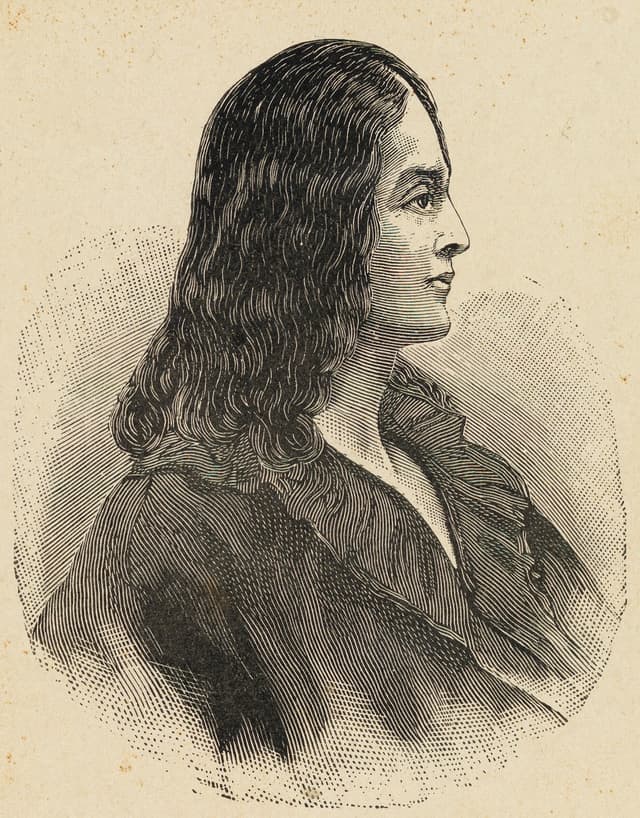
Tomás António Gonzaga
Tomás António Gonzaga was a prominent Portuguese poet and lawyer, best known for his lyrical poetry that captured the complexities of love and longing. Born in the mid-18th century, Gonzaga's life was marked by both literary brilliance and personal turmoil. He became a significant figure in the Arcadian movement, which sought to revive classical themes and forms in literature. His most celebrated work, 'Marília de Dirceu,' is a collection of poems that express his deep affection for a woman named Marília, blending pastoral themes with emotional depth. This work not only showcased his talent but also established him as a key voice in Portuguese literature. Gonzaga's literary significance extends beyond his poetry; he was also involved in the political struggles of his time, particularly against the oppressive colonial regime in Brazil. His writings often reflected the socio-political issues of the era, making him an important figure in the context of Portuguese colonial history. Despite facing exile due to his political beliefs, Gonzaga's legacy endured, influencing future generations of poets and writers. His ability to intertwine personal emotion with broader societal themes solidified his place as a foundational figure in Portuguese literature, and his works continue to be studied and appreciated for their artistic merit and historical context.
Books from the author


Link to this page
Add a free, dofollow link to Lex on your blog, forum, syllabus, or reading list.

<a href="https://lex-books.com/author/tomás-antónio-gonzaga"><img src="https://lex-books.com/badges/read-on-lex.svg" alt="Tomás António Gonzaga on Lex" width="160" height="40"></a>[](https://lex-books.com/author/tomás-antónio-gonzaga)[url=https://lex-books.com/author/tomás-antónio-gonzaga][img]https://lex-books.com/badges/read-on-lex.svg[/img][/url]Tomás António Gonzaga on Lex: https://lex-books.com/author/tomás-antónio-gonzaga