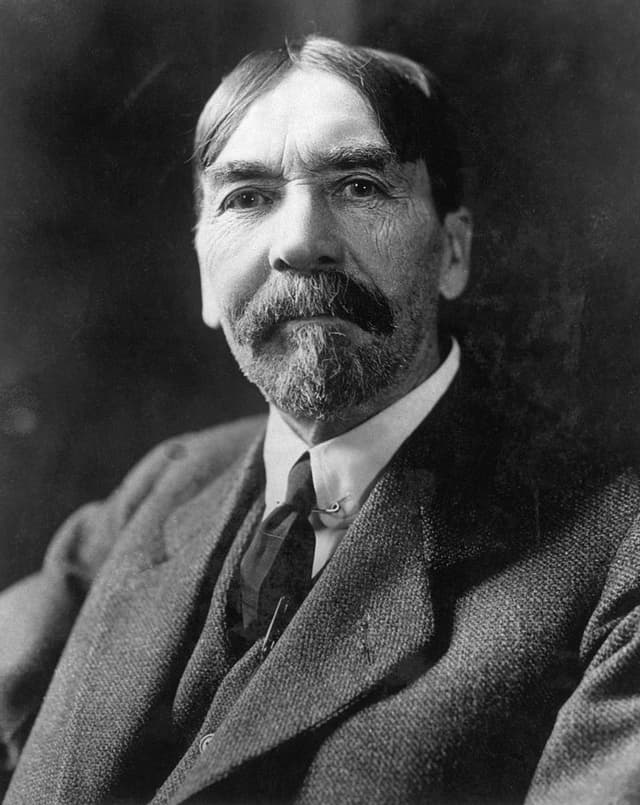
Thorstein Veblen
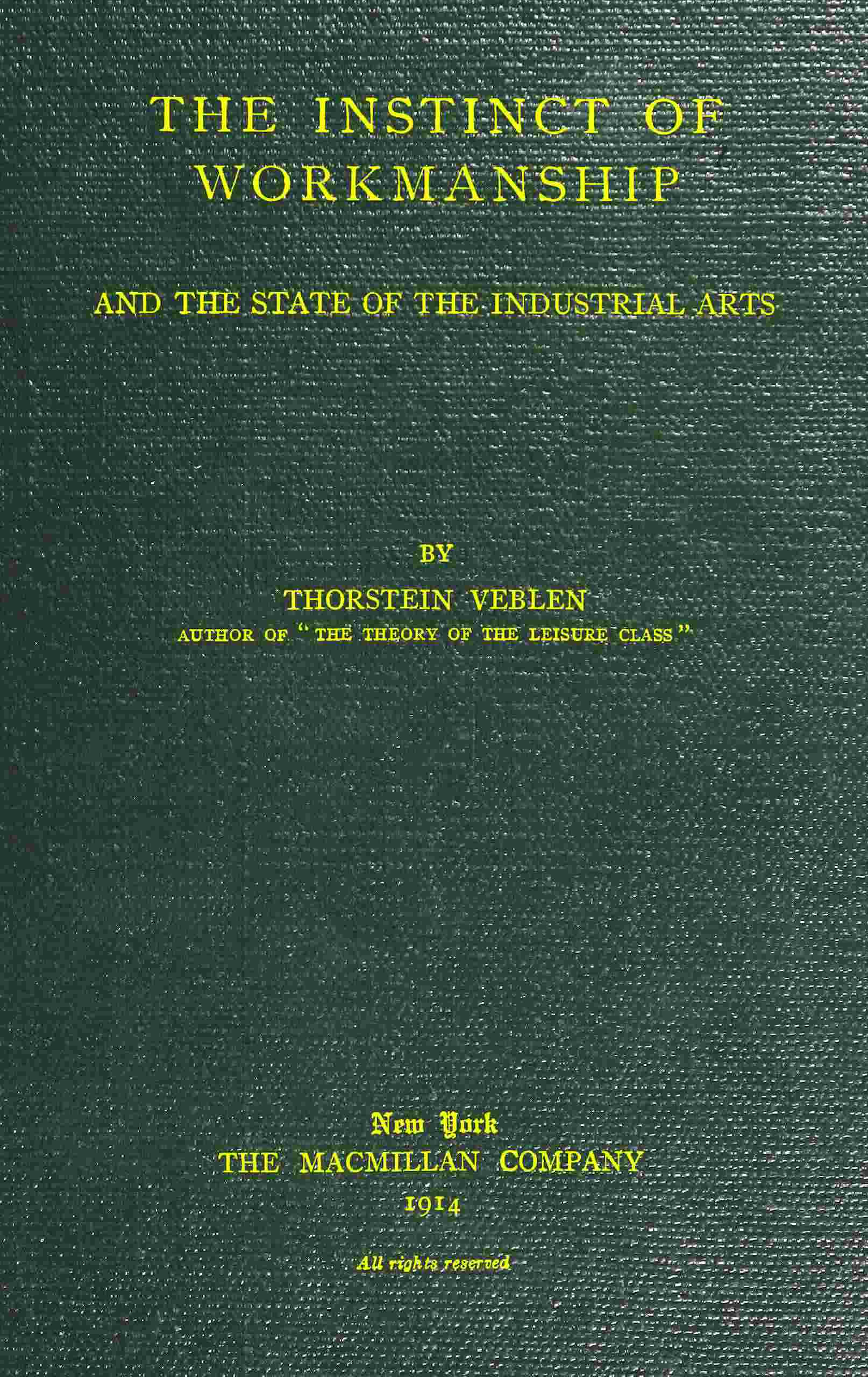
Thorstein Veblen was an influential American economist and sociologist recognized for his critical examination of capitalism. His seminal work, The Theory of the Leisure Class, published in 1899, introduced the concepts of conspicuous consumption and conspicuous leisure, which highlighted the social dynamics of wealth and status in capitalist societies. Veblen's critique of the profit motive and his exploration of the social implications of economic behavior positioned him as a key figure in the Progressive Era, where he challenged prevailing economic theories and practices. Veblen's contributions laid the groundwork for institutional economics, distinguishing between the roles of institutions and technology—a concept that continues to inform contemporary economic thought. His insights into the nature of consumption and social behavior have influenced a wide range of economists and social theorists, particularly those offering non-Marxist critiques of capitalism and technological determinism. Veblen's legacy endures as a critical voice in the discourse on economic systems and their societal impacts.
Famous Quotes
View all 3 quotes“Invention is the mother of necessity.”
“The quasi-peaceable gentleman of leisure, then, not only consumes of the staff of life beyond the minimum required for subsistence and physical efficiency, but his consumption also undergoes a specialisation as regards the quality of the goods consumed. He consumes freely and of the best, in food, drink, narcotics, shelter, services, ornaments, apparel, weapons and accoutrements, amusements, amulets, and idols or divinities.”
“The ceremonial differentiation of the dietary is best seen in the use of intoxicating beverages and narcotics. If these articles of consumption are costly, they are felt to be noble and honorific. Therefore the base classes, primarily the women, practice an enforced continence with respect to these stimulants, except in countries where they are obtainable at a very low cost. From archaic times down through all the length of the patriarchal regime it has been the office of the women to prepare and administer these luxuries, and it has been the perquisite of the men of gentle birth and breeding to consume them. Drunkenness and the other pathological consequences of the free use of stimulants therefore tend in their turn to become honorific, as being a mark, at the second remove, of the superior status of those who are able to afford the indulgence. Infirmities induced by over-indulgence are among some peoples freely recognised as manly attributes. It has even happened that the name for certain diseased conditions of the body arising from such an origin has passed into everyday speech as a synonym for "noble" or "gentle". It is only at a relatively early stage of culture that the symptoms of expensive vice are conventionally accepted as marks of a superior status, and so tend to become virtues and command the deference of the community; but the reputability that attaches to certain expensive vices long retains so much of its force as to appreciably lesson the disapprobation visited upon the men of the wealthy or noble class for any excessive indulgence. The same invidious distinction adds force to the current disapproval of any indulgence of this kind on the part of women, minors, and inferiors. This invidious traditional distinction has not lost its force even among the more advanced peoples of today. Where the example set by the leisure class retains its imperative force in the regulation of the conventionalities, it is observable that the women still in great measure practise the same traditional continence with regard to stimulants.”
Books from the author





Link to this page
Add a free, dofollow link to Lex on your blog, forum, syllabus, or reading list.

<a href="https://lex-books.com/author/thorstein-veblen"><img src="https://lex-books.com/badges/read-on-lex.svg" alt="Thorstein Veblen on Lex" width="160" height="40"></a>[](https://lex-books.com/author/thorstein-veblen)[url=https://lex-books.com/author/thorstein-veblen][img]https://lex-books.com/badges/read-on-lex.svg[/img][/url]Thorstein Veblen on Lex: https://lex-books.com/author/thorstein-veblen