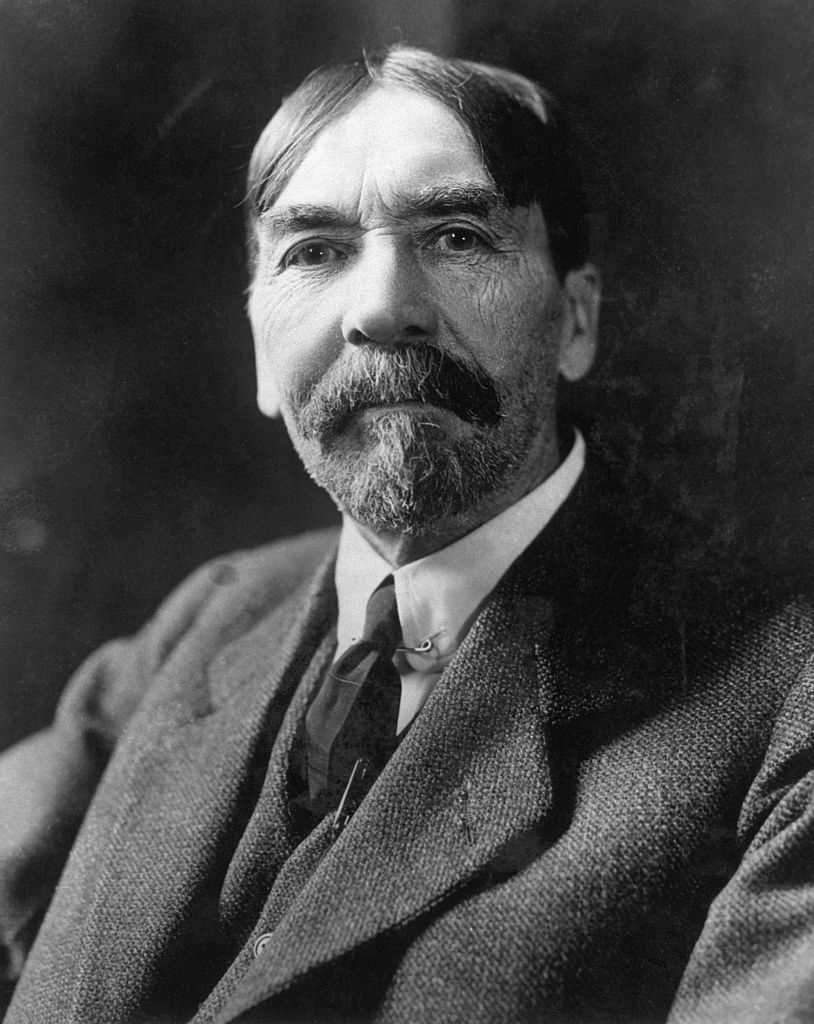
The Theory of the Leisure Class
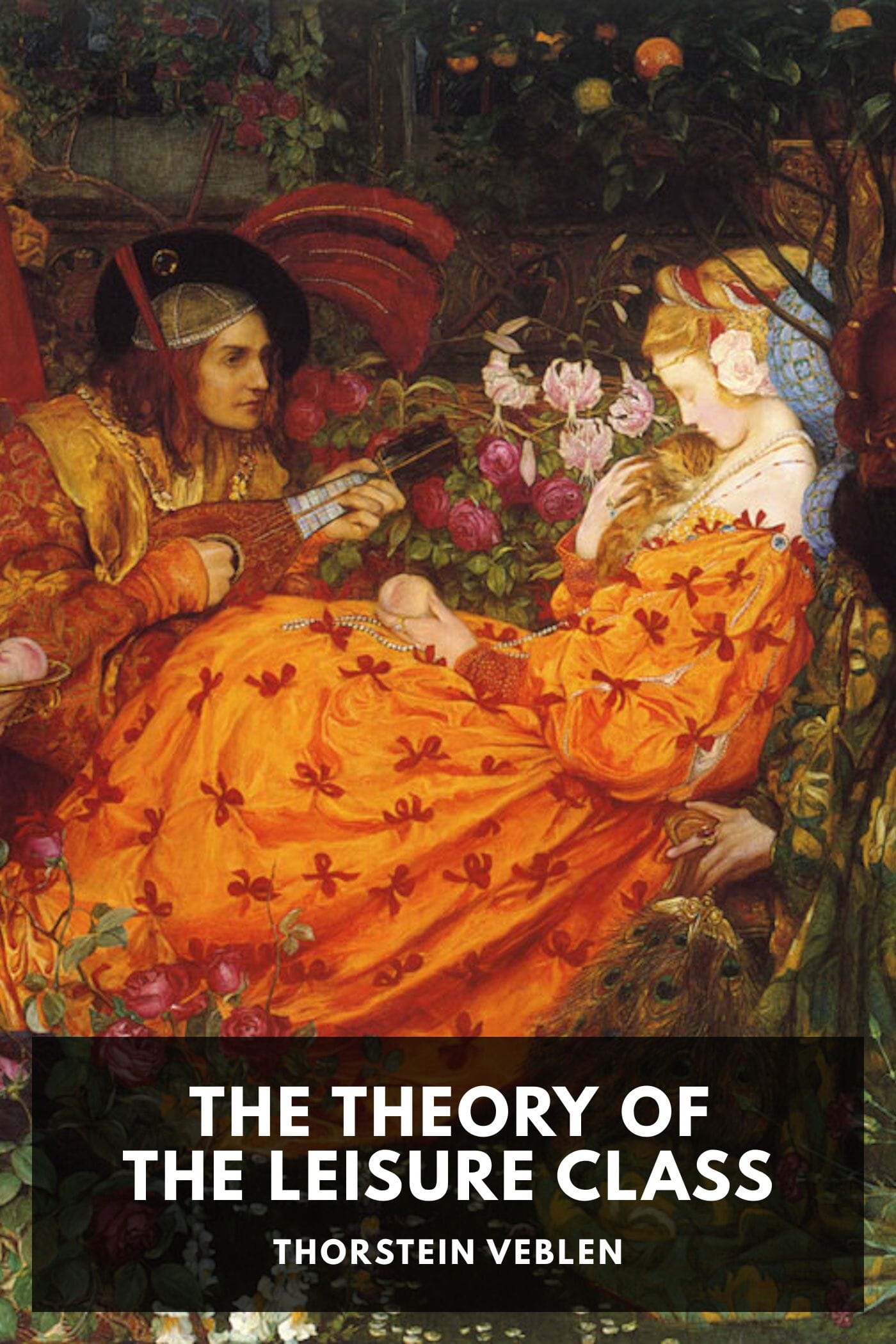
Thorstein Veblen's incisive 1899 treatise dissects the economic and social behaviors of the "leisure class" – the ultra-wealthy elite exempt from productive labor. Against the backdrop of the Gilded Age's stark inequalities, Veblen introduces the now-ubiquitous concept of "conspicuous consumption": the ostentatious display of wealth as a means of asserting and maintaining social status. He argues that this drive to emulate the leisure class trickles down, influencing the aspirations and even the productive labor of the middle and lower classes. Veblen traces these behaviors back to feudal societies, where productive work became associated with indignity, and status was conferred not by accumulation, but by the visible exhibition of wealth and leisure. Veblen's enduring legacy lies in his prescient critique of social stratification, which feels remarkably relevant over a century later. He links "conspicuous leisure" to various societal ills, from the subjugation of women (their constrained lives serving as a husband's status symbol) to society's obsession with unproductive pursuits like sports and organized religion. This groundbreaking work offers a foundational vocabulary for understanding modern consumer culture, class dynamics, and the often-absurd ways we signal status. It's a biting, brilliant, and still shockingly accurate lens through which to view the relentless pursuit of prestige in a world still enthralled by the flaunted wealth of its leisure class.
Editions

Link to this book
Add a free, dofollow link to Lex on your blog, forum, syllabus, or reading list.

<a href="https://lex-books.com/book/the-theory-of-the-leisure-class-01dade57-85a6-4e64-b4d0-ef977a30d0a5"><img src="https://lex-books.com/badges/read-on-lex.svg" alt="Read The Theory of the Leisure Class by Thorstein Veblen free on Lex" width="160" height="40"></a>[](https://lex-books.com/book/the-theory-of-the-leisure-class-01dade57-85a6-4e64-b4d0-ef977a30d0a5)[url=https://lex-books.com/book/the-theory-of-the-leisure-class-01dade57-85a6-4e64-b4d0-ef977a30d0a5][img]https://lex-books.com/badges/read-on-lex.svg[/img][/url]Read The Theory of the Leisure Class by Thorstein Veblen free on Lex: https://lex-books.com/book/the-theory-of-the-leisure-class-01dade57-85a6-4e64-b4d0-ef977a30d0a5Cite this book
Reading this edition for a paper or guide? Copy a citation.
Veblen, Thorstein. The Theory of the Leisure Class. Lex, lex-books.com/book/the-theory-of-the-leisure-class-01dade57-85a6-4e64-b4d0-ef977a30d0a5.Veblen, T. (n.d.). The Theory of the Leisure Class. Lex. https://lex-books.com/book/the-theory-of-the-leisure-class-01dade57-85a6-4e64-b4d0-ef977a30d0a5Veblen, Thorstein. The Theory of the Leisure Class. Lex. https://lex-books.com/book/the-theory-of-the-leisure-class-01dade57-85a6-4e64-b4d0-ef977a30d0a5.