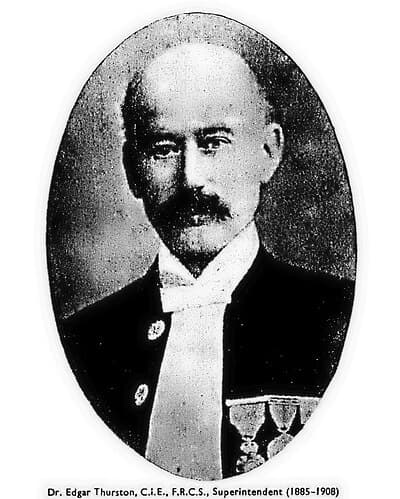
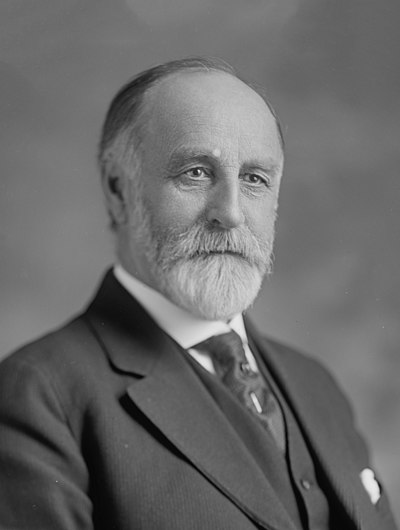
Edgar Thurston
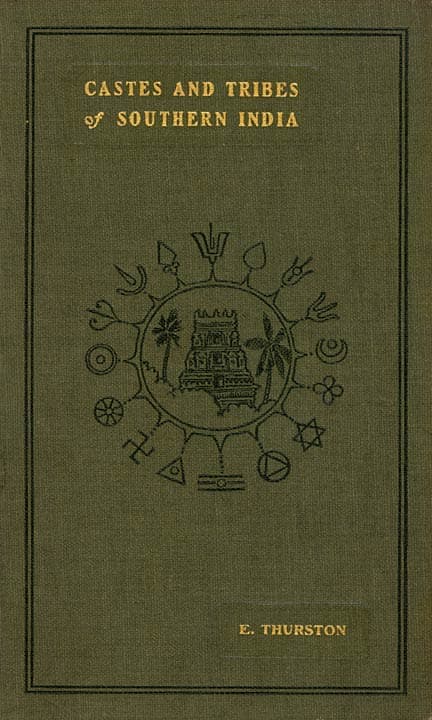
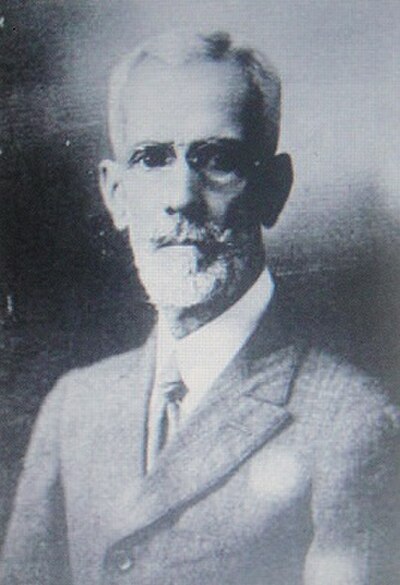
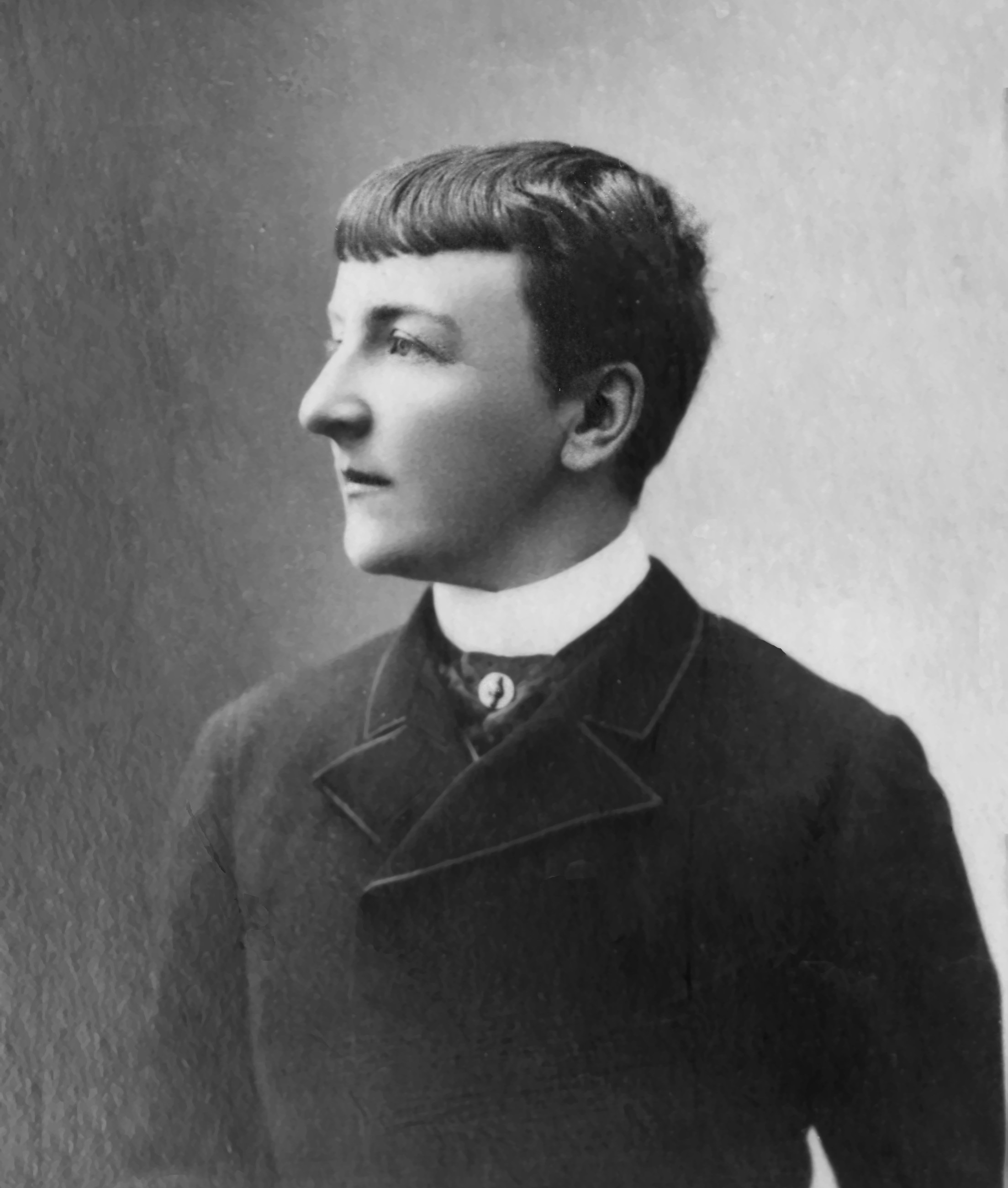
Edgar Thurston was a prominent British zoologist, ethnologist, and botanist known for his extensive contributions to the study of India's natural history and cultural heritage. He served as the Superintendent of the Madras Government Museum from 1885 to 1908, where he played a pivotal role in advancing research in various scientific fields. Educated in medicine, Thurston also lectured in anatomy at the Madras Medical College, balancing his academic responsibilities with his museum duties. His early scholarly pursuits included numismatics and geology, which laid the groundwork for his later focus on anthropology and ethnography. Thurston's notable works include his influential publications on the ethnography of the Madras Presidency, where he meticulously documented the diverse cultures and practices of the region's inhabitants. He succeeded Frederick S. Mullaly as the Superintendent of Ethnography, further solidifying his legacy in the field. His research not only enriched the understanding of Indian society and its complexities but also contributed to the broader discourse on colonial studies and the representation of indigenous cultures. Thurston's dedication to scientific inquiry and cultural documentation left a lasting impact on the fields of zoology, ethnology, and botany in India, marking him as a significant figure in the history of Indian scholarship.
Famous Quotes
View all 3 quotes“There is so much good in the worst of us, and so much bad in the best of us, that it hardly behooves any of us to talk about the rest of us.” And””
“So how do we connect with this elusive changeless side of life? By doing deeds that are so kind and loving they create something that “lives on and on in the heart and soul.” Inward, meditative retreat isn’t enough if we want to make a connection to the changeless. We need to be good for something, to reach out to those in need with a kind word, a moment of attention, some hope. Unpretentious as it sounds, that’s the key to dealing with change, and it’s the essence of Edgar Cayce’s social vision.””
“As important as high aspirations and ideals are, we have to do something with them, and that takes courage. “He without an ideal is sorry indeed; he with an ideal and lacking courage to live it is sorrier still. Know that” (1402-1).””
Books from the author
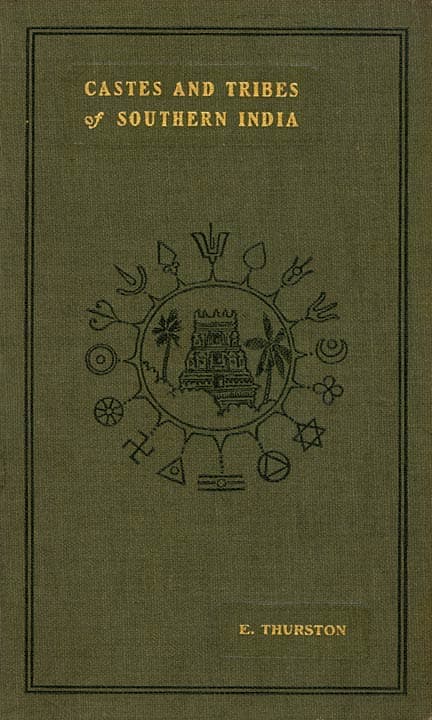
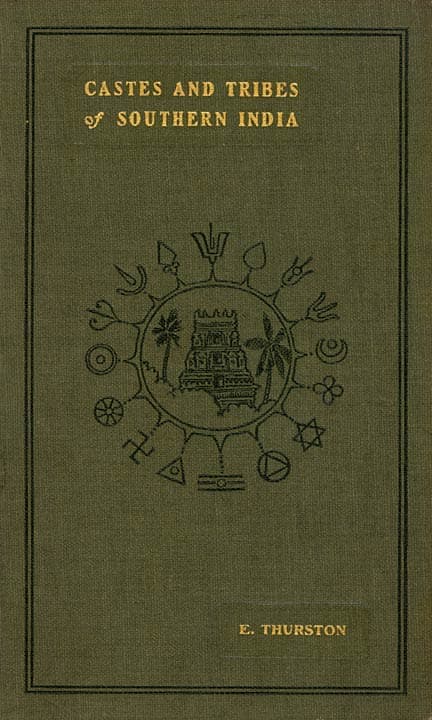
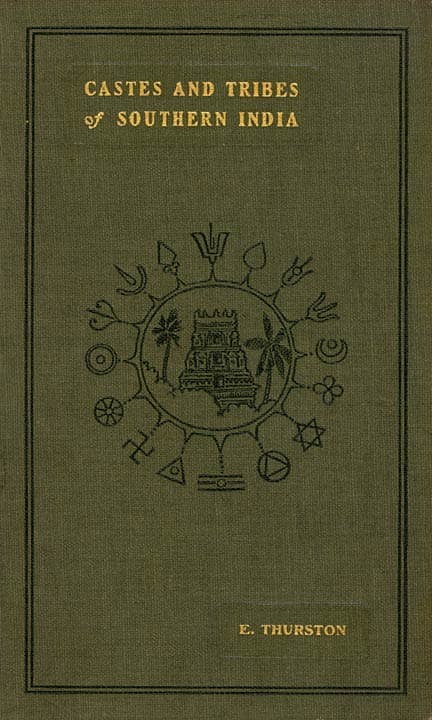



Link to this page
Add a free, dofollow link to Lex on your blog, forum, syllabus, or reading list.

<a href="https://lex-books.com/author/edgar-thurston"><img src="https://lex-books.com/badges/read-on-lex.svg" alt="Edgar Thurston on Lex" width="160" height="40"></a>[](https://lex-books.com/author/edgar-thurston)[url=https://lex-books.com/author/edgar-thurston][img]https://lex-books.com/badges/read-on-lex.svg[/img][/url]Edgar Thurston on Lex: https://lex-books.com/author/edgar-thurston