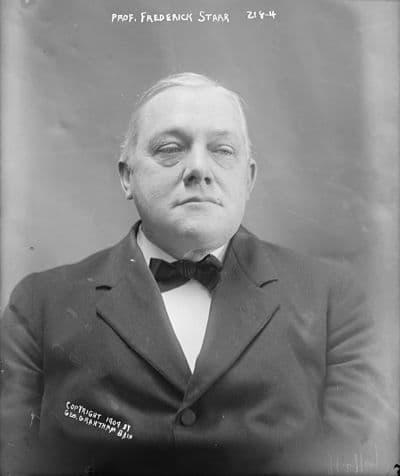
Frederick Starr
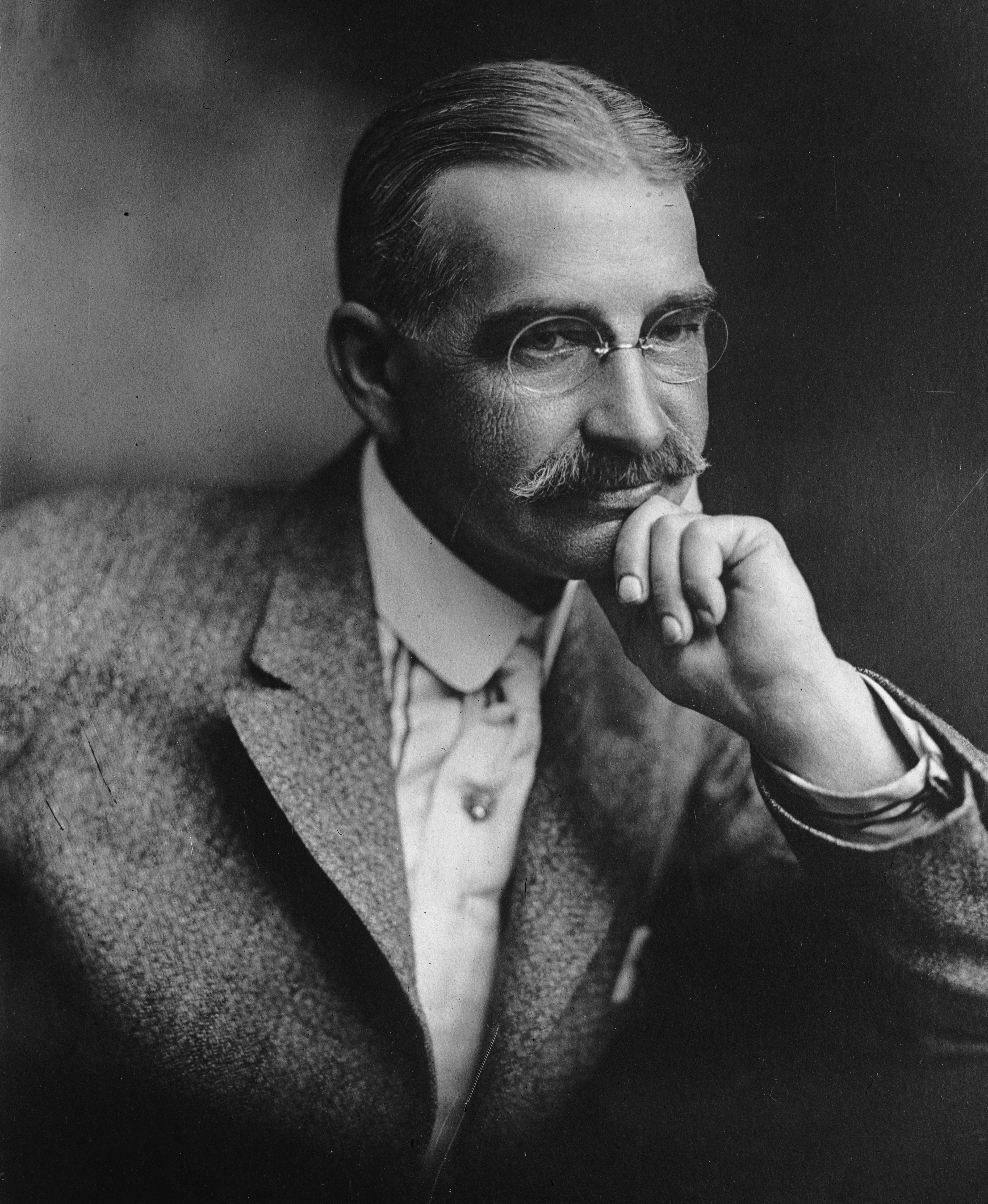
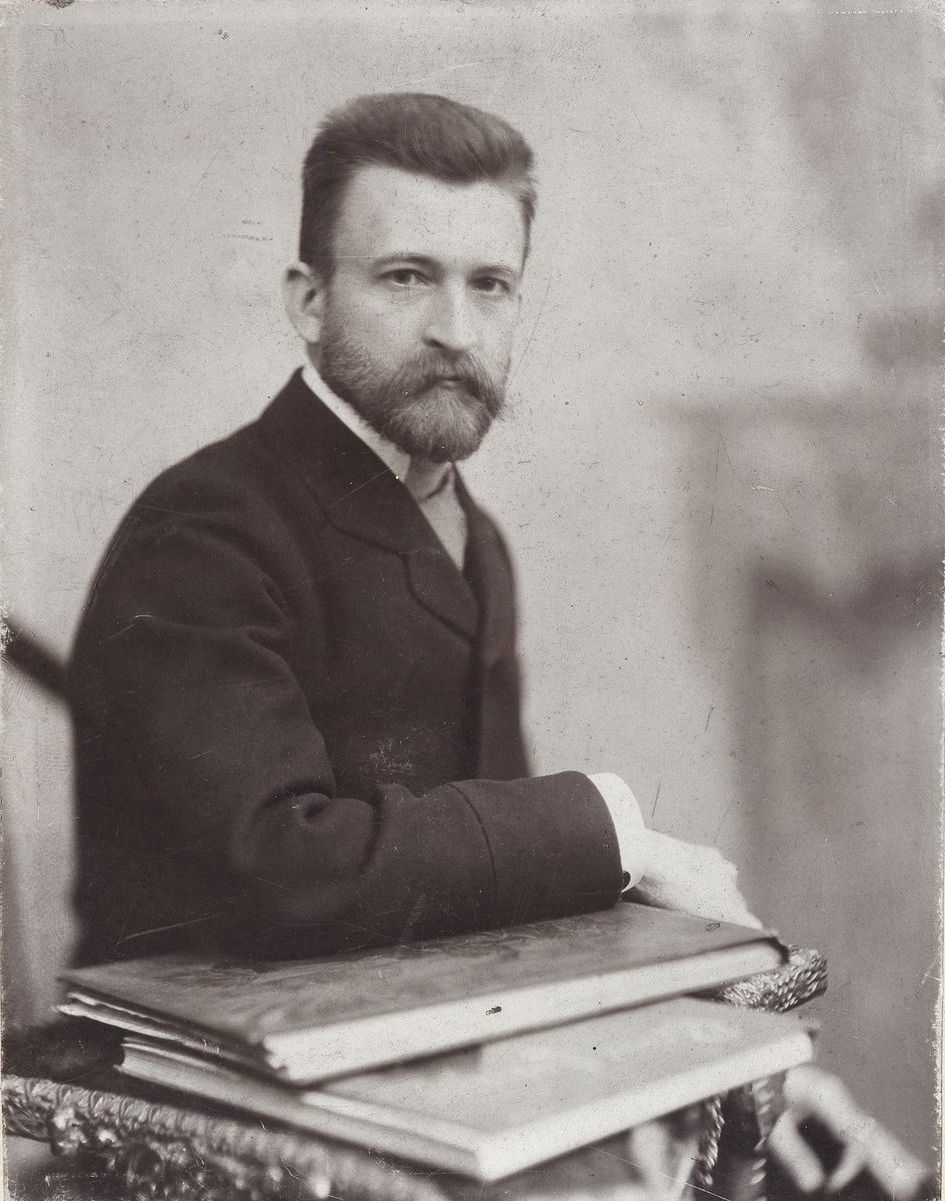
Frederick Starr was an influential American academic and anthropologist, known for his innovative approaches to education and cultural studies. Born in Auburn, New York, he was the son of a clergyman and abolitionist, which likely influenced his progressive views. Starr gained recognition for his extensive collection of charms and votive slips, earning him the nickname 'Dr. Ofuda' in Japan, where he conducted significant research. His work not only contributed to the field of anthropology but also emphasized the importance of cultural artifacts in understanding human societies. Starr's legacy extends beyond his collections; he was a prominent figure in the realm of populist education, advocating for accessible learning for all. His scholarly contributions included studies on Japanese culture and the role of material culture in anthropology. He sold much of his collection to Gertrude Bass Warner, ensuring that his findings and artifacts would be preserved and appreciated in academic settings. Through his teaching and research, Starr left a lasting impact on the fields of anthropology and education, highlighting the interconnectedness of culture and learning.
Famous Quotes
View all 5 quotes“In sharp contrast to his medical research, Razi’s ventures into religion earned him nothing but abuse.63 The very names of Razi’s three treatises on religion say it all: The Prophets’ Fraudulent Tricks; The Stratagems of Those Who Claim to Be Prophets; and On the Refutation of Revealed Religions. Razi did not mince words: If the people of [a given] religion are asked about the proof for the soundness of their religion, they flare up, get angry and spill the blood of whoever confronts them with this question. They forbid rational speculation, and strive to kill their adversaries. This is why truth became thoroughly silenced and concealed.””
“Mahmud’s highly mobile army rarely fell below the force of 100,000 that he amassed to attack Balkh in 999.5 In recruiting and deploying his slave soldiers, Mahmud was blind to color, ethnicity, and religion. He did not hesitate, for example, to send Hindu forces against the Turkic, Persian, or Indian armies that were defending Muslim cities. Even his own household consisted mainly of slaves. Far from being constrained by his Muslim faith, Mahmud believed that the highest religious authority, the caliph, had validated his actions and confirmed all the dubious privileges he so freely exercised.””
“Few exchanges in the history of science have leaped so boldly into the future as this one, which occurred a thousand years ago in a region now often dismissed as a backwater and valued mainly for its natural resources, not its intellectual achievements. We know of it because copies survived in manuscript and were published almost a millennium later. Twenty-eight-year-old Abu Rayhan al-Biruni, or simply Biruni (973–1048), hailed from near the Aral Sea and went on to distinguish himself in geography, mathematics, trigonometry, comparative religion, astronomy, physics, geology, psychology, mineralogy, and pharmacology. His younger counterpart, Abu Ali al-Husayn ibn Sina, or just Ibn Sina (ca. 980–1037), grew up in the stately city of Bukhara, the great seat of learning in what is now Uzbekistan. He was to make his mark in medicine, philosophy, physics, chemistry, astronomy, theology, clinical pharmacology, physiology, ethics, and music theory. When eventually Ibn Sina’s magisterial Canon of Medicine was translated into Latin, it triggered the start of modern medicine in the West and became its Bible: a dozen editions were printed before 1500. Indians used Ibn Sina’s Canon to develop a whole school of medicine that continues today. Many regard Biruni and Ibn Sina together as the greatest scientific minds between antiquity and the Renaissance, if not the modern age.””
Books from the author







Link to this page
Add a free, dofollow link to Lex on your blog, forum, syllabus, or reading list.

<a href="https://lex-books.com/author/frederick-starr"><img src="https://lex-books.com/badges/read-on-lex.svg" alt="Frederick Starr on Lex" width="160" height="40"></a>[](https://lex-books.com/author/frederick-starr)[url=https://lex-books.com/author/frederick-starr][img]https://lex-books.com/badges/read-on-lex.svg[/img][/url]Frederick Starr on Lex: https://lex-books.com/author/frederick-starr